
Lighting FAQ
Lighting FAQ
Lighting Questions Answered — Chandeliers, Pendant Lights & Lamps
Lighting is more than illumination. It defines space, shapes atmosphere, and influences how a room feels and functions. At LightsStory, choosing lighting should be clear and practical, not overwhelming.
This FAQ provides straightforward answers to common lighting questions, helping homeowners, designers, and project planners make confident decisions.
- Chandeliers and statement lighting
- Pendant lights for kitchens and dining areas
- Wall lamps and sconces
- Table and floor lamps
- Installation, sizing, bulbs, dimming, and maintenance
1. How do I choose the right chandelier size for my room?
Add the room length and width (in feet), then convert the total to inches. This gives a good chandelier diameter.
Example: A 12 ft × 14 ft room suits a chandelier about 26 inches wide.
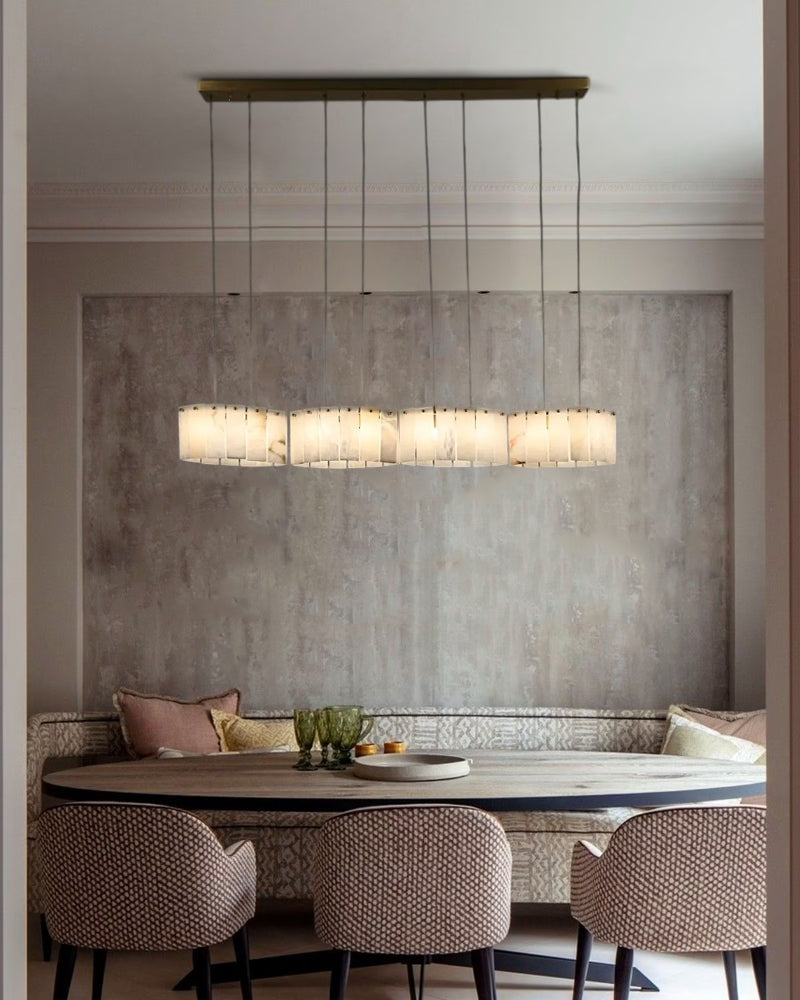
For dining tables, the chandelier should be at least 12 inches narrower than the table and centered visually and physically.
2. What’s the difference between a chandelier and a pendant light?
A chandelier features multiple light arms or sources and acts as a central visual anchor.
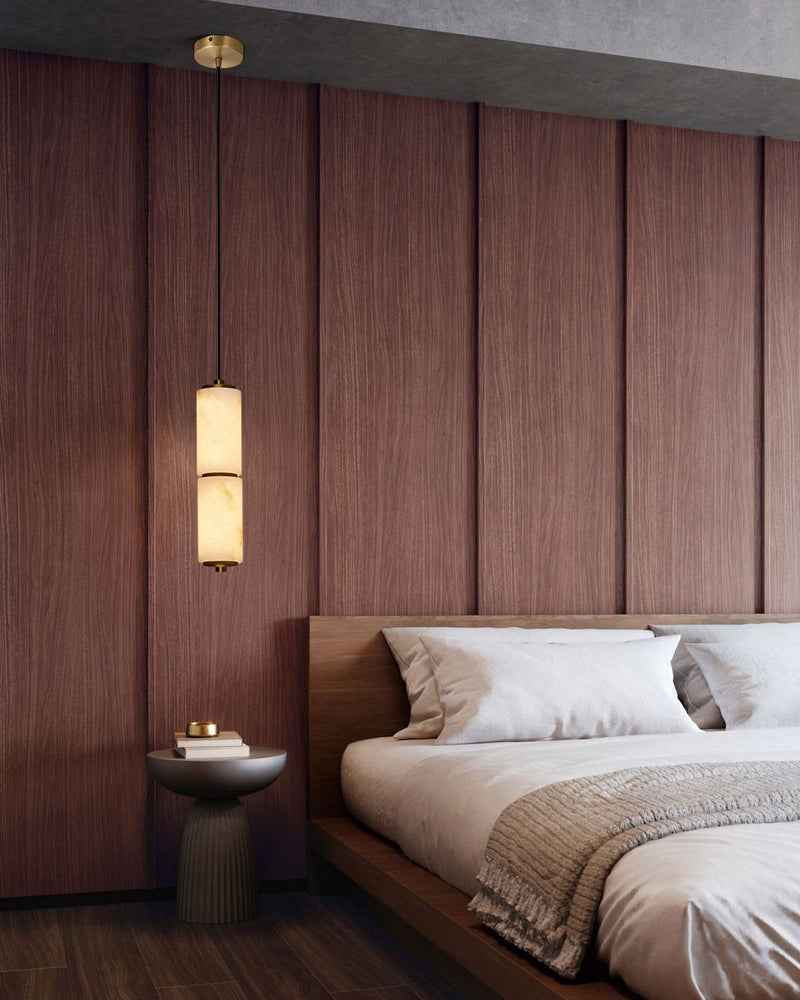
A pendant light hangs from a single cord, rod, or chain and usually has one primary light source. Pendants are commonly used over kitchen islands and dining tables.
3. How high should a chandelier hang above a dining table?
For ceilings up to 8 feet, hang chandeliers 30–34 inches above the tabletop. For higher ceilings, add about 3 inches for each additional foot.
4. How many pendant lights should I install over a kitchen island?
Small pendants: 3–4 units
Medium pendants: 2–3 units
Large pendants: 1–2 units
Leave 24–30 inches between pendants and 12–18 inches from the island edge.
5. Are LED bulbs suitable for all lighting fixtures?
Yes. LED bulbs are energy efficient, long-lasting, and compatible with most modern fixtures. Always check bulb base type, wattage equivalence, and dimmer compatibility.
6. Can I use dimmers with LightsStory fixtures?
Most fixtures are dimmer compatible. Proper dimming depends on the fixture, bulb, and wall dimmer working together.
7. What ceiling height is required for chandeliers?
8 ft ceilings: Compact or semi-flush chandeliers
9–10 ft ceilings: Standard chandeliers
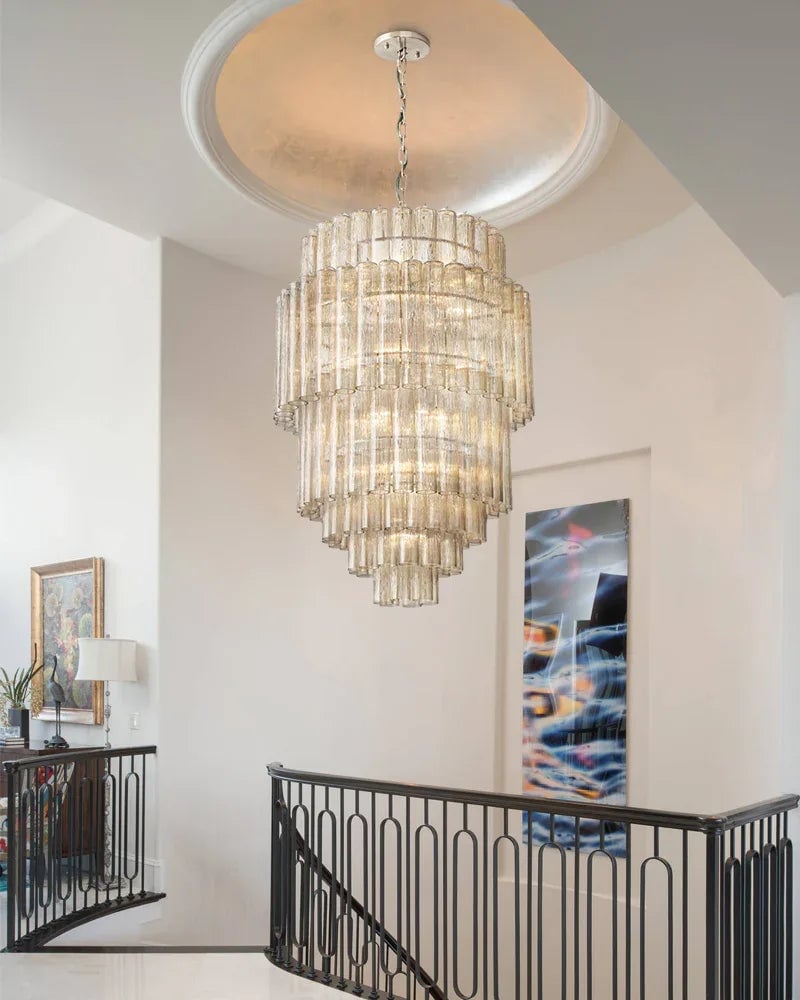
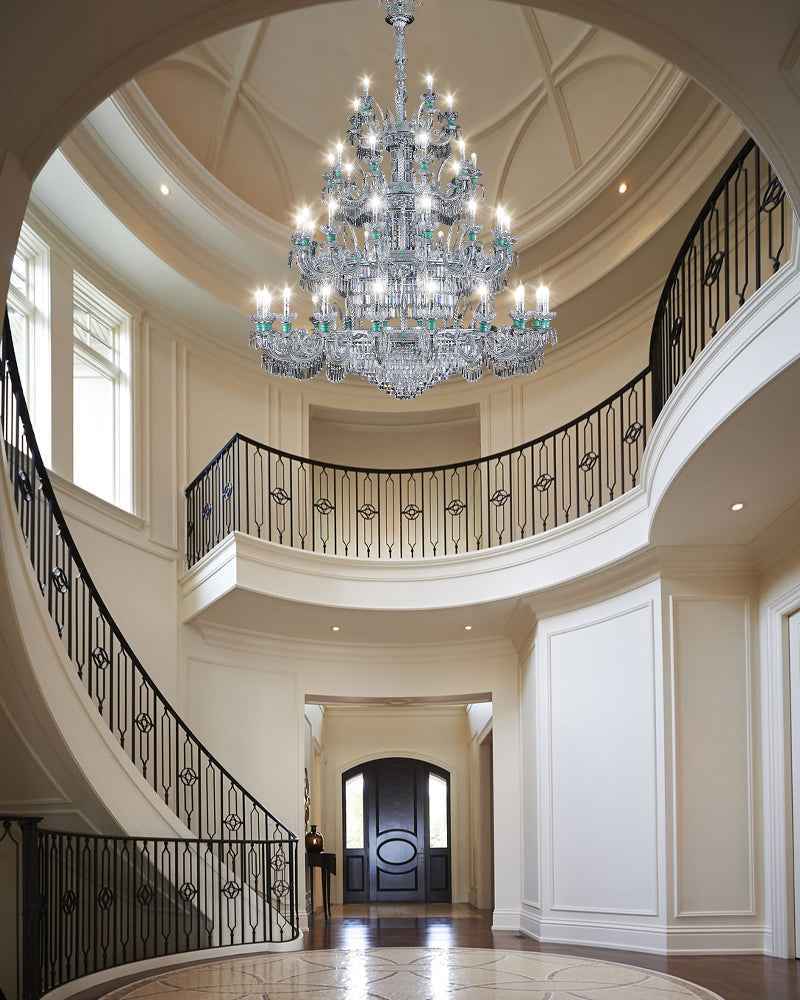
11+ ft ceilings: Large or multi-tier chandeliers
8. What’s the difference between warm, neutral, and cool light?
2700K–3000K: Warm white, ideal for homes
3500K–4000K: Neutral and balanced
5000K+: Cool white, common in commercial spaces
9. Are wall lamps decorative or functional?
Both. Wall lamps provide ambient light, reading light, and accent illumination while saving floor and table space.
10. How do I choose between table lamps and floor lamps?
Choose table lamps for localized lighting and symmetry. Choose floor lamps for flexibility or when table space is limited.
11. What materials are best for lighting fixtures?
Glass diffuses light softly. Metal offers structure and durability. Crystal enhances brightness. Fabric shades soften glare. Stone and marble create sculptural presence.
12. Are LightsStory fixtures suitable for commercial spaces?
Yes. LightsStory fixtures are used in hotels, restaurants, offices, retail spaces, and showrooms. Always confirm certification and voltage requirements.
13. How do I clean and maintain chandeliers?
Turn off power before cleaning. Use microfiber cloths and avoid harsh chemicals. For crystal, use diluted alcohol or specialty cleaners.
14. Can I install lighting fixtures myself?
Some fixtures are DIY-friendly, but hardwired installations should be handled by a licensed electrician for safety and compliance.
15. What’s the difference between flush mount and semi-flush mount lights?
Flush mounts sit directly against the ceiling. Semi-flush mounts hang slightly lower and add depth without overwhelming the space.
16. Are LightsStory lights compatible with smart home systems?
Many fixtures work with smart bulbs or smart switches, including Google Home, Amazon Alexa, and Apple HomeKit.
17. How do I match lighting styles across rooms?
Repeat finishes, materials, or shapes and keep color temperature consistent to maintain visual flow throughout the home.
18. What lighting works best for small apartments?
Use wall lamps instead of floor lamps, slim pendants, and avoid oversized chandeliers. Mirrors and reflective finishes help amplify light.
19. How long do LightsStory fixtures last?
With proper installation and LED bulbs, fixtures can last 10–20 years or longer.
20. What if I still need help choosing the right light?
Share your room dimensions, ceiling height, photos, and intended use. Our team can help recommend lighting that fits your space and lifestyle.