
christmas dinner
There is a distinct, almost tangible magic that descends upon a home during the holidays. It is a sensory tapestry woven from the scent of pine and cinnamon, the tactile comfort of heavy linens, and the murmur of loved ones gathering. Yet, if you were to strip away the decor and silence the music, one element remains the absolute conductor of the atmosphere: the light. Specifically, the way we illuminate the most important meal of the year.
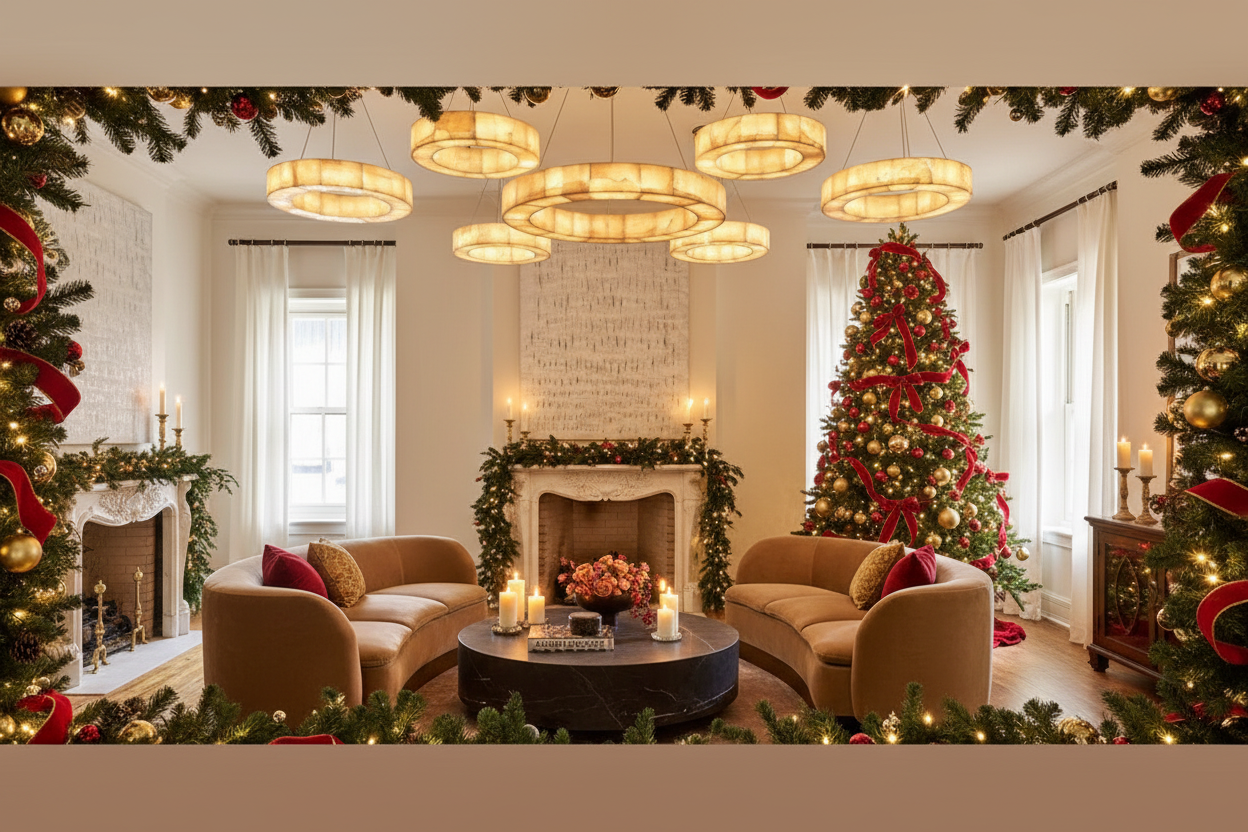
When we envision the quintessential holiday gathering, we rarely picture a space flooded with harsh, clinical brightness. Instead, we imagine a glow—a soft, amber luminescence that flatters the complexion, catches the sparkle of crystal stemware, and draws guests intimately toward the center of the room. The lighting fixture suspended above your dining table is not merely a utilitarian source of illumination; it is the jewelry of the home. It is the silent host that dictates the mood before the first bottle of wine is even uncorked.
Investing in high-end lighting is an investment in these memories. A statement fixture serves as the architectural anchor of the dining experience, transforming a simple meal into a grand occasion. It creates a silhouette of sophistication that lingers in the minds of your guests long after the dessert has been served. As we curate our homes for the season, prioritizing the "Christmas dinner" aesthetic through exceptional lighting design is the ultimate gesture of welcome.

Why christmas dinner is the Ultimate Statement Piece
In the lexicon of interior design, we often speak of "focal points"—those singular elements that command attention and ground a room’s design language. During the holidays, the dining table is the stage, but the lighting fixture above it is the crown. Why does this specific aesthetic matter so profoundly?
The concept of "Christmas dinner" lighting transcends the holiday itself; it represents the pinnacle of hosting. A sculptural pendant or a cascading chandelier acts as a visual exclamation point. It draws the eye upward, emphasizing the height of the ceiling and the volume of the space, before guiding the gaze back down to the table setting. This vertical movement creates a sense of grandeur and occasion.
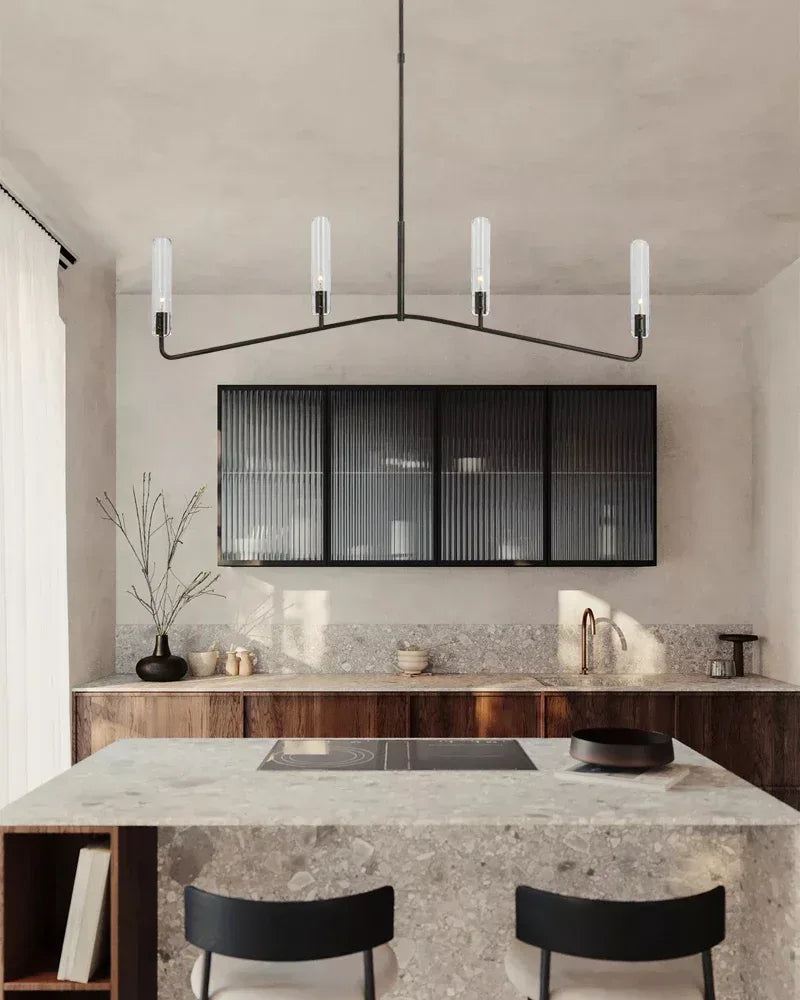
Furthermore, a statement piece chosen for this level of entertaining possesses a transformative power. It can make a cavernous room feel intimate or a compact dining nook feel regal. By investing in a fixture with a strong silhouette—whether it be a modern, linear suspension or a classic, tiered brass candelabra—you are establishing a hierarchy in the room. You are telling a story of intentionality, signaling that this space is reserved for moments of connection and celebration.
The Art of Materiality: Recognizing Quality
In the world of luxury lighting, the divide between mass-produced fixtures and investment-grade pieces is defined by one word: materiality. When you are looking to spend between $500 and $2,000 on a fixture, you are paying for the authenticity of the elements and the artistry of their assembly. This distinction is crucial, particularly when the light is dimmed low for a holiday meal, as lower light levels often reveal the texture and depth of the materials.
Solid Brass vs. Plated Finishes: An heirloom-quality fixture often utilizes solid brass, which possesses a warmth and weight that plated metals simply cannot replicate. Over time, real brass develops a rich, living patina—a subtle deepening of color that adds character and history to the piece. In contrast, cheaper, spray-painted finishes can look flat and plastic under the scrutiny of a dinner guest, and they often peel or tarnish unevenly over time.
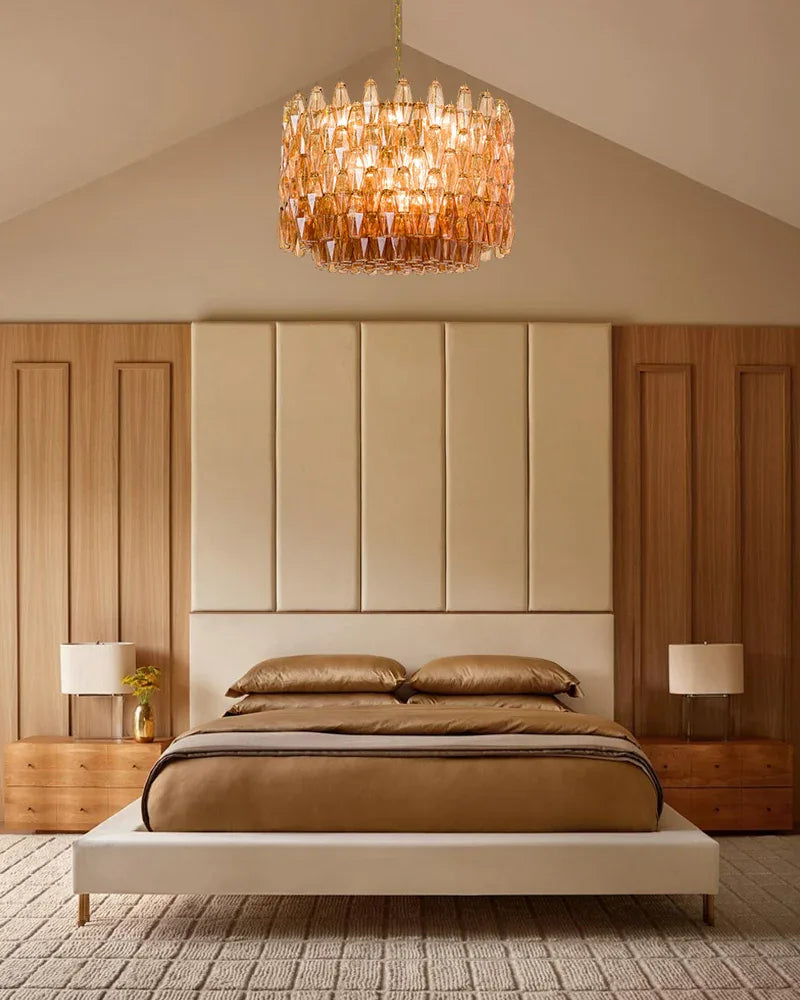
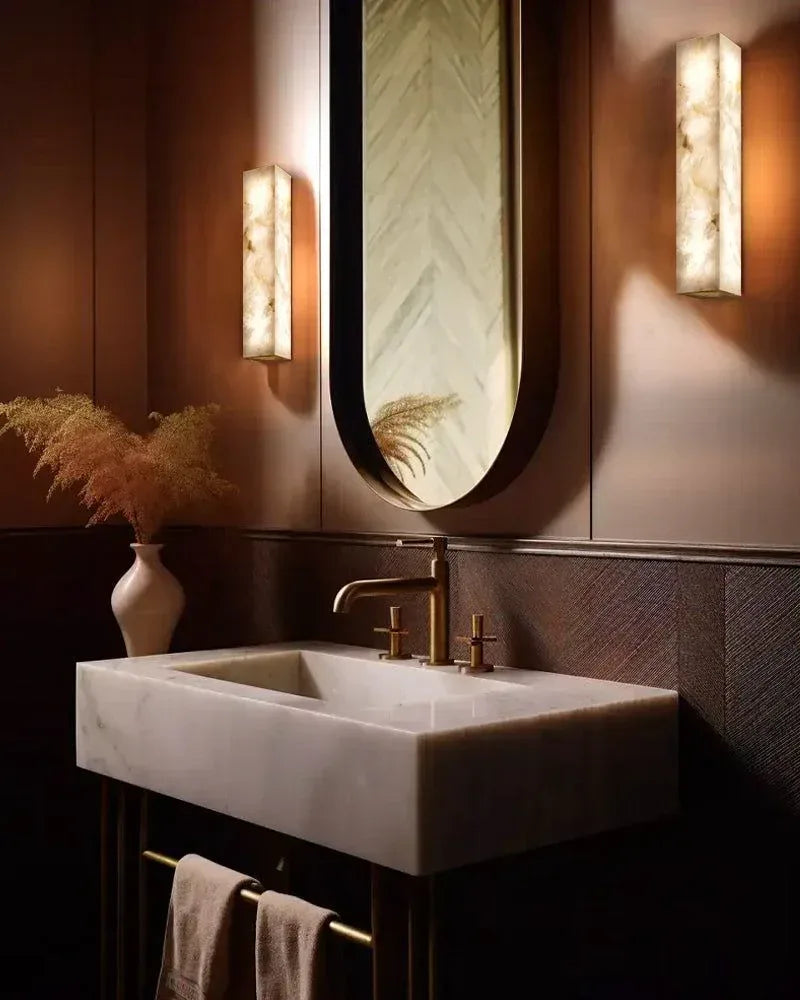
Hand-Blown Glass and Alabaster: Consider the diffusion of light. High-end fixtures frequently employ hand-blown glass, crystal, or natural alabaster. These materials do not just let light pass through; they manipulate it. Alabaster softens the bulb’s glare into a creamy, ethereal glow, while cut crystal refracts light into a prismatic dance that mimics the flicker of candlelight. Mass-market acrylics or thin, machine-molded glass often result in harsh hotspots and a cold, sterile output that kills the ambiance of a cozy Christmas dinner.
Styling Your Space: Where to Place It
Even the most exquisite chandelier loses its impact if it is not integrated correctly into the spatial volume of the room. Styling a statement light requires a keen eye for proportion and balance, ensuring the fixture complements the dining experience rather than dominating it.
The Rule of Thirds and Width: A general rule of thumb for visual harmony is that your chandelier should be approximately one-half to two-thirds the width of your dining table. If the fixture is too small, the room swallows it; if it is too large, it feels oppressive to those seated beneath it. For a long, rectangular table—common for holiday feasting—consider a linear suspension or a pair of matching pendants to distribute light evenly across the entire surface.
The Height of Intimacy: The suspension height is critical for fostering conversation. The bottom of the fixture should generally hang 30 to 36 inches above the tabletop. This "sweet spot" ensures unobstructed sightlines across the table while keeping the light source low enough to create an intimate pool of illumination. It creates a subconscious "room within a room," wrapping the diners in a warm embrace of light while letting the corners of the room fade into a dramatic shadow.
Setting the Mood: Ambiance and Atmosphere
The "Christmas dinner" aesthetic is entirely dependent on the quality of light emitted. You are not just illuminating a room; you are curating an emotion. The goal is to replicate the warmth of firelight, evoking feelings of safety, nostalgia, and luxury.
The Importance of Color Temperature: For a dining setting, the Kelvin (K) temperature is non-negotiable. You should aim for a range between 2400K and 2700K. This is the "warm white" spectrum. Anything higher (3000K+) begins to introduce blue wavelengths, which can make food look unappetizing and skin tones look washed out. A warm light enriches the reds of the wine, the gold of the flatware, and the greens of the centerpiece.
The Necessity of Dimmers: A luxury light fixture without a dimmer is like a grand piano that only plays at one volume. Dimmability is essential. As the evening progresses from the bustle of arrival to the relaxed conversation over coffee and dessert, the lighting should transition with the mood. The ability to dim a powerful chandelier down to a soft glimmer allows the fixture to act as a sculptural art piece, glowing gently like embers in a hearth.
What to Look for When Investing
When you are ready to purchase a piece that will serve as the backdrop for years of holiday memories, look beyond the initial photograph. Here is a curated checklist to ensure you are acquiring a fixture of genuine quality:
- Weight and Density: Quality materials are heavy. If a "brass" fixture feels incredibly light in the box, it is likely thin aluminum or hollow tubing. Heft indicates solid construction and durability.
- Finish Consistency: inspect the joints and connection points. A high-end fixture will have a consistent finish even in the crevices. Look for "living finishes" that are designed to age beautifully rather than chip away.
- Socket and Wiring Quality: Premium fixtures use porcelain or high-grade composite sockets, not cheap plastic. The wiring should be thick and well-insulated, often covered in cloth or integrated seamlessly into the frame.
- Canopy and Chain Details: The canopy (the part that attaches to the ceiling) should be substantial and match the fixture perfectly. The chain or suspension rods should feel solid, with no visible seams or rough edges.
- Glass Clarity and Thickness: If the fixture uses glass, it should be free of unintentional bubbles or striations (unless that is the design intent). The edges should be polished, not sharp or raw.
Frequently Asked Questions
How do I handle lighting if my dining room has low ceilings?
Low ceilings do not preclude luxury. In fact, they offer an opportunity to use flush-mount or semi-flush fixtures that act as ceiling jewelry. Look for "drum" styles or sputnik-inspired designs that spread light horizontally rather than vertically. These fixtures hug the ceiling while still providing the visual weight and textural interest of a chandelier, ensuring the space feels open yet curated.
Can I mix metal finishes, or should my light match my hardware?
In modern luxury design, matching is predictable; coordinating is elevated. You absolutely can, and should, mix metals. A burnished brass chandelier looks stunning against matte black door hardware or polished nickel candlesticks. The key is to maintain a tonal balance—keep the "warm" metals (brass, gold, copper) and "cool" metals (nickel, chrome, silver) intentional. A brass light fixture can serve as the warm focal point in a largely cool-toned room, adding necessary contrast.
How bright should a dining room fixture be?
For a dining room, total brightness (lumens) is less important than the quality of that brightness. Generally, 300 to 400 lumens per seat at the table is a good baseline. However, because you will ideally use a dimmer, it is better to "over-lamp" the fixture (have more potential brightness than you need) and dim it down. This extends the bulb life and allows you to use the room for tasks like reading or working, not just dining.
Conclusion
Ultimately, the "Christmas dinner" is more than a meal; it is a ritual of togetherness. The lighting you choose to oversee this ritual is a silent participant in the joy of the season. By selecting a fixture that boasts authentic materiality, thoughtful design, and the perfect warm glow, you are not just buying a lamp—you are curating the backdrop of your life’s most cherished moments. A true statement piece is an heirloom in the making, a beacon of warmth that turns a house into a home, inviting everyone to linger a little longer at the table.


发表评论
此站点受 hCaptcha 保护,并且 hCaptcha 隐私政策和服务条款适用。