
Dining Room Lighting for Open-Concept Kitchens and Dining Areas
LightsStory - Exclusive Chandeliers, Pendant Lights, Ceiling Lights, Wall Sconces, Table & Floor Lamps. Affordable, custom lighting for modern and traditional interiors.
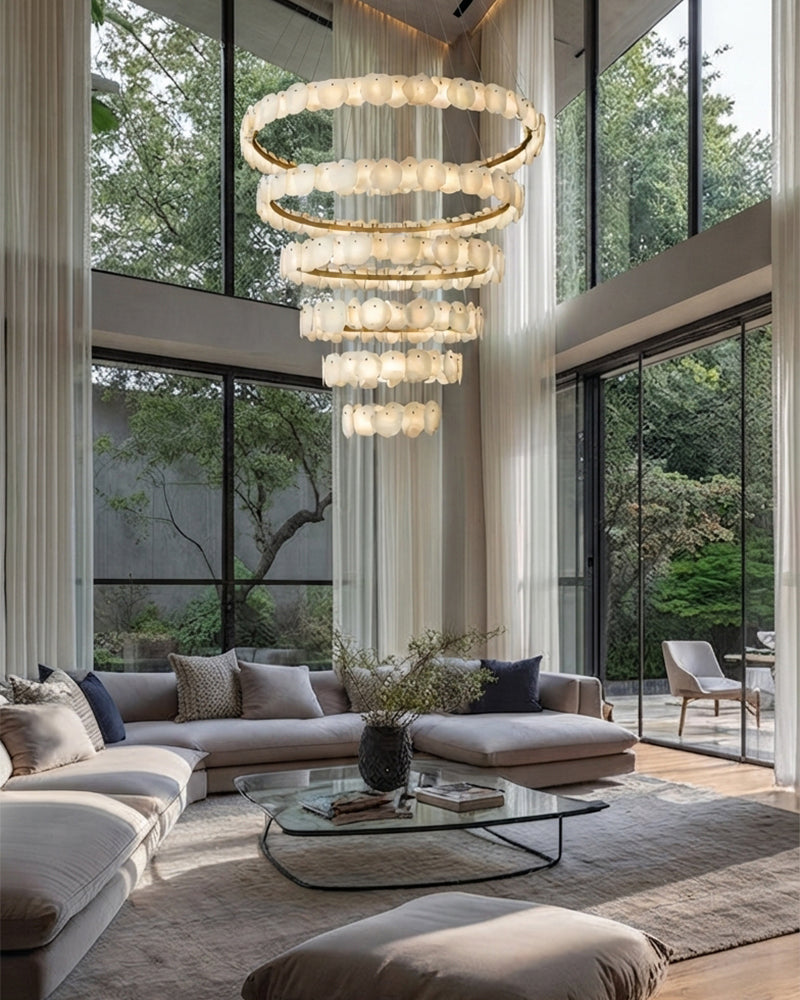
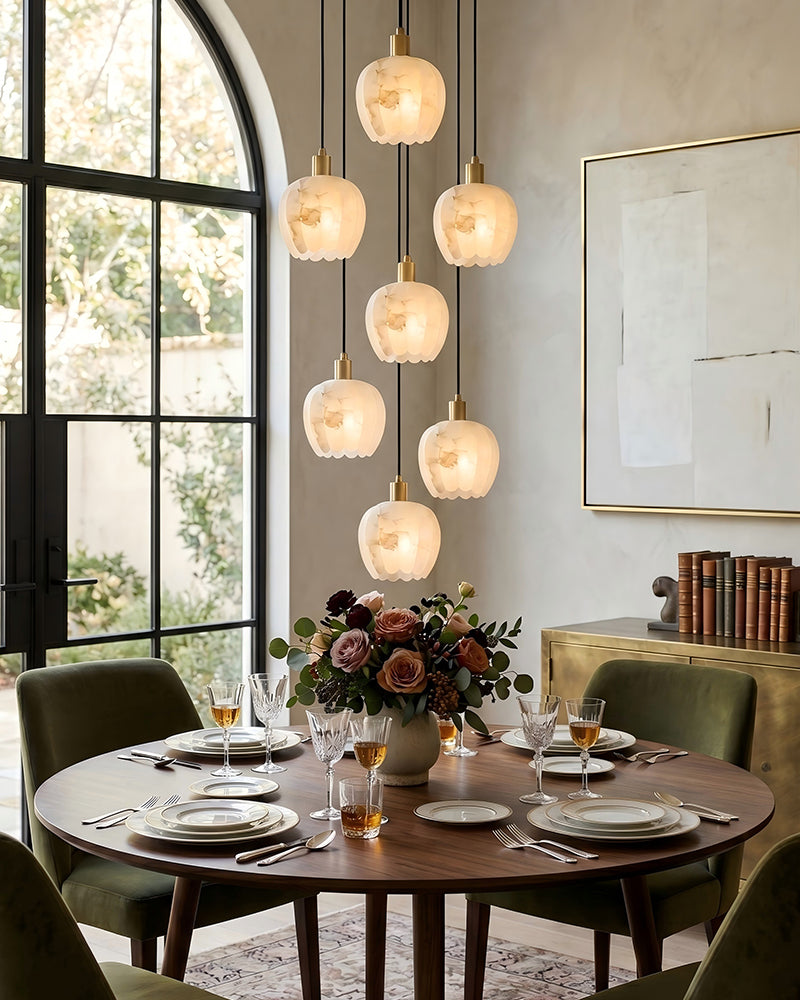
SHOP THE COLLECTIONIn the realm of contemporary residential design, the open-concept floor plan has become a hallmark of modern living, seamlessly blending formerly distinct spaces into a harmonious whole. Within these fluid environments, the kitchen, dining area, and living spaces often coalesce, demanding a thoughtful approach to design, particularly when it comes to lighting. The challenge lies in defining zones and creating distinct atmospheres within a unified space, and nowhere is this more critical than in selecting the appropriate dining area lighting. Achieving the right ambiance for your dining space, whether it's an intimate nook or a grand statement, requires an understanding of how light can shape perception, functionality, and aesthetic appeal. This editorial delves into the art and science of dining room lighting for open-concept kitchens and dining areas, exploring how to select statement pieces that anchor your dining zone while complementing the overall flow of your home.
Defining Zones with Light: The Art of Open-Concept Layouts
Open-plan living prioritizes connection and flow, but it also presents the unique challenge of demarcating functional areas without the physical barriers of walls. Lighting emerges as a powerful, albeit subtle, tool in this endeavor. The dining area, often situated between the kitchen and living room, needs a lighting solution that signals its purpose, provides adequate illumination for meals, and contributes to the overall design narrative. A well-chosen dining area chandelier can serve as a beacon, visually anchoring the dining table and chairs, thereby establishing a distinct zone within the larger open space. This is not merely about illumination; it's about creating a focal point that draws the eye and defines the room's purpose. The scale, style, and placement of your chosen fixture are paramount in achieving this zoning effect. A dramatic pendant or a cluster of smaller lights can create a sense of enclosure and intimacy, differentiating the dining area from the more utilitarian kitchen or the relaxed living zone.

The Chandelier: A Statement Piece for the Kitchen Dining Table
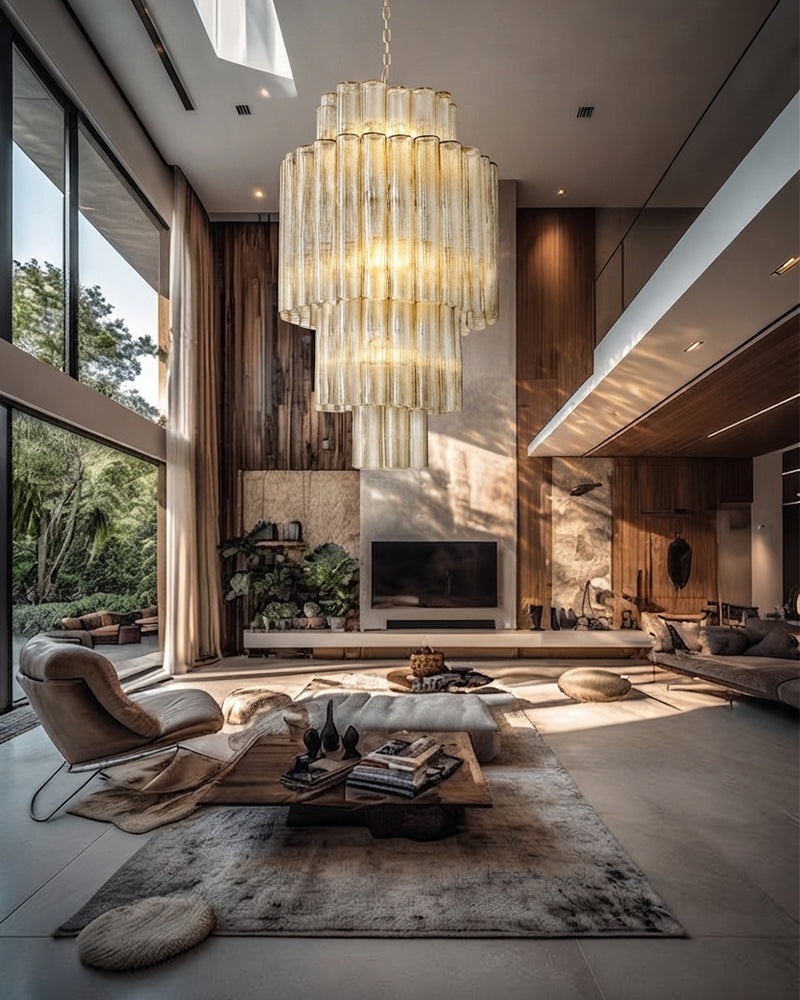
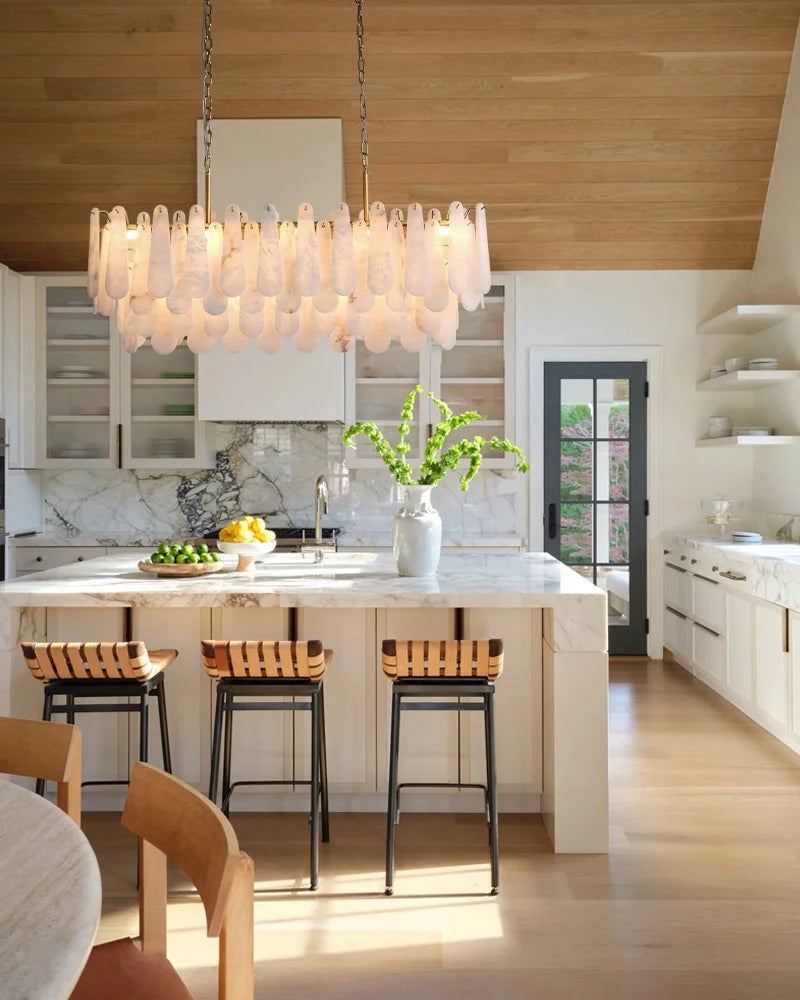
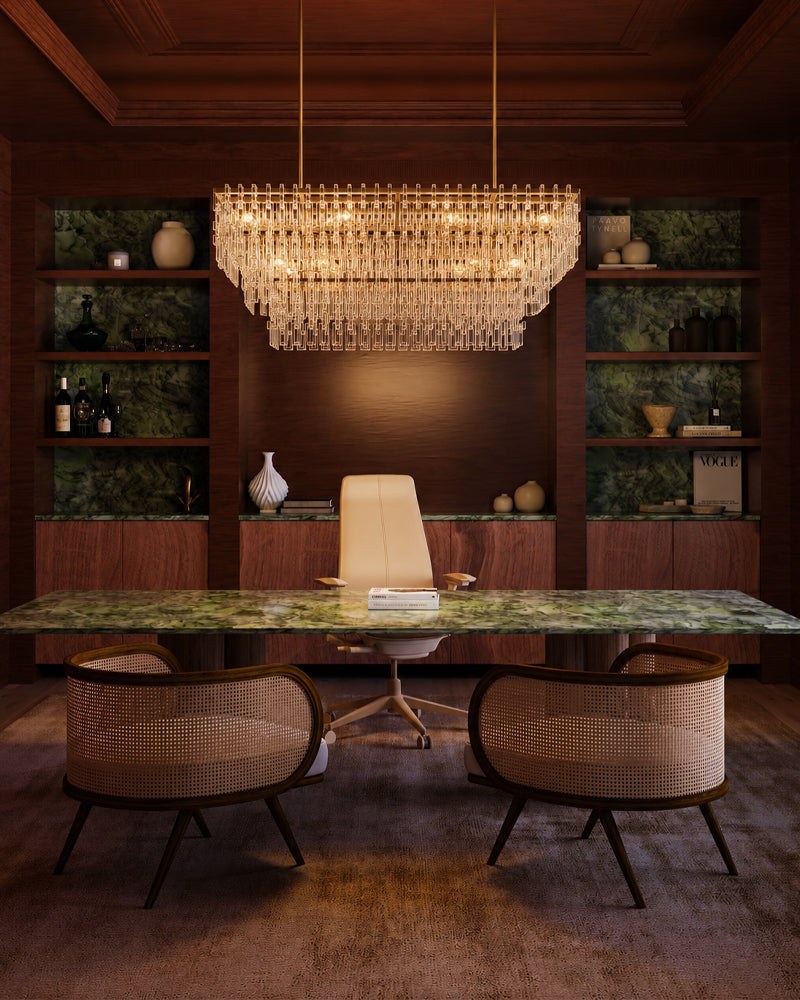
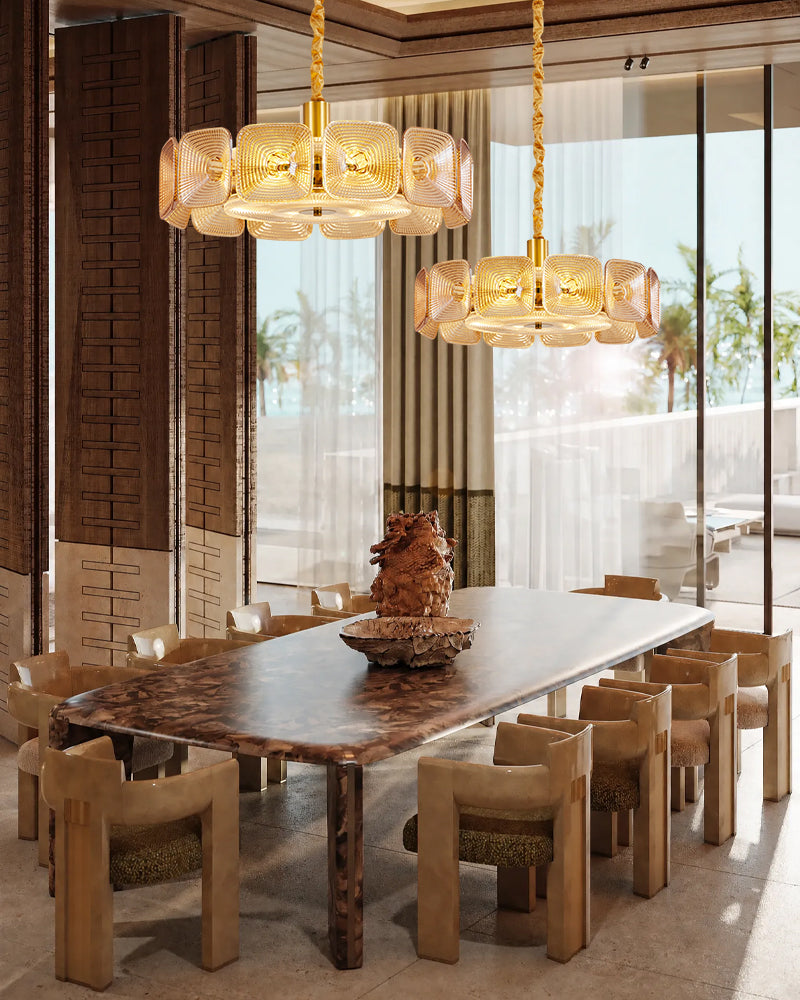
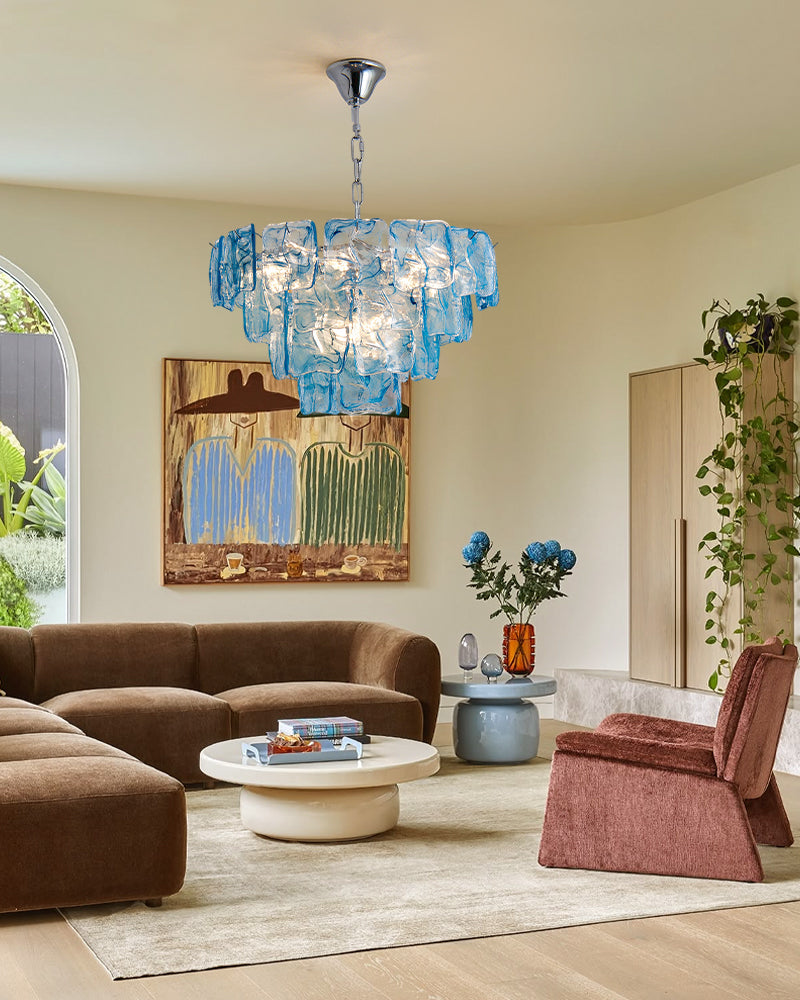
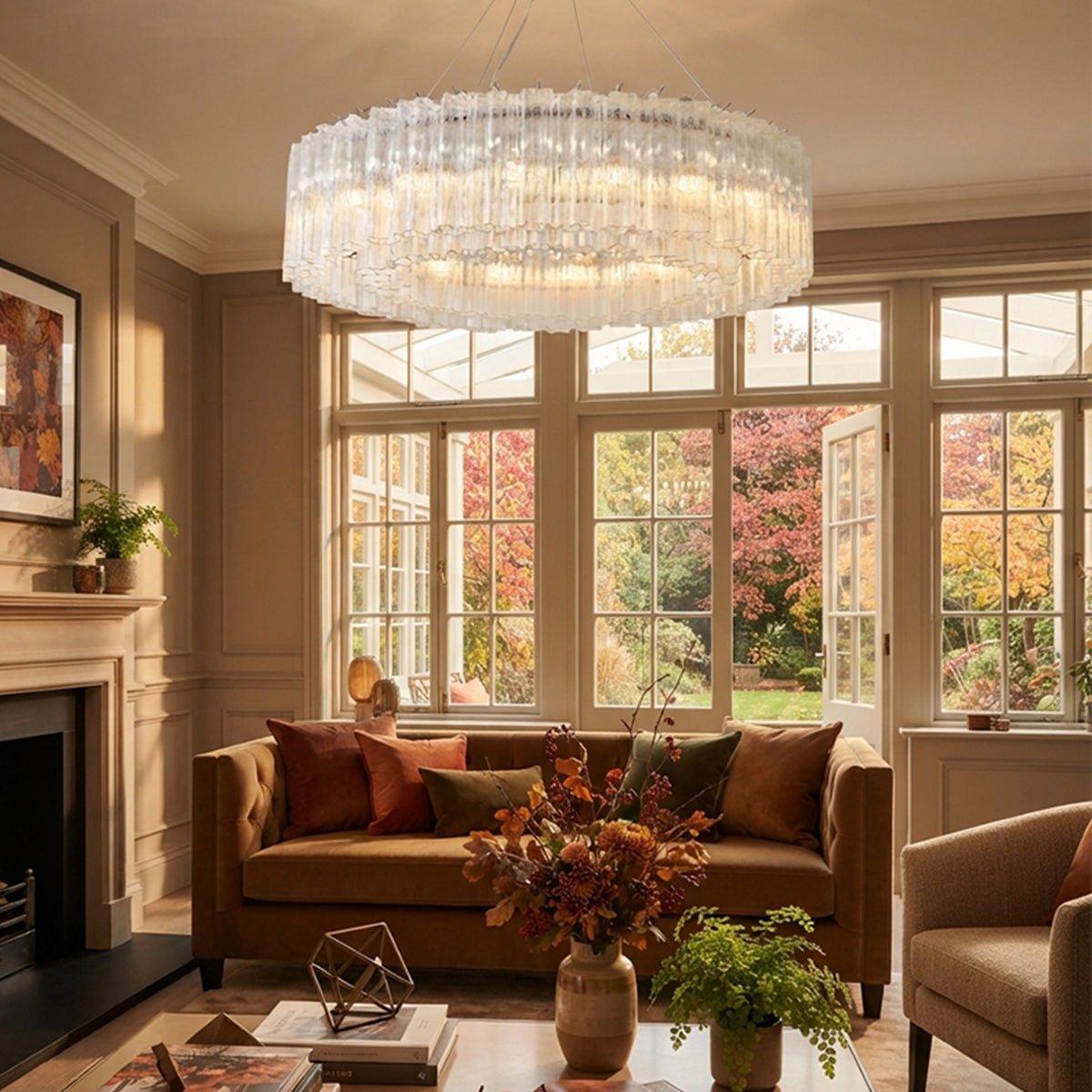
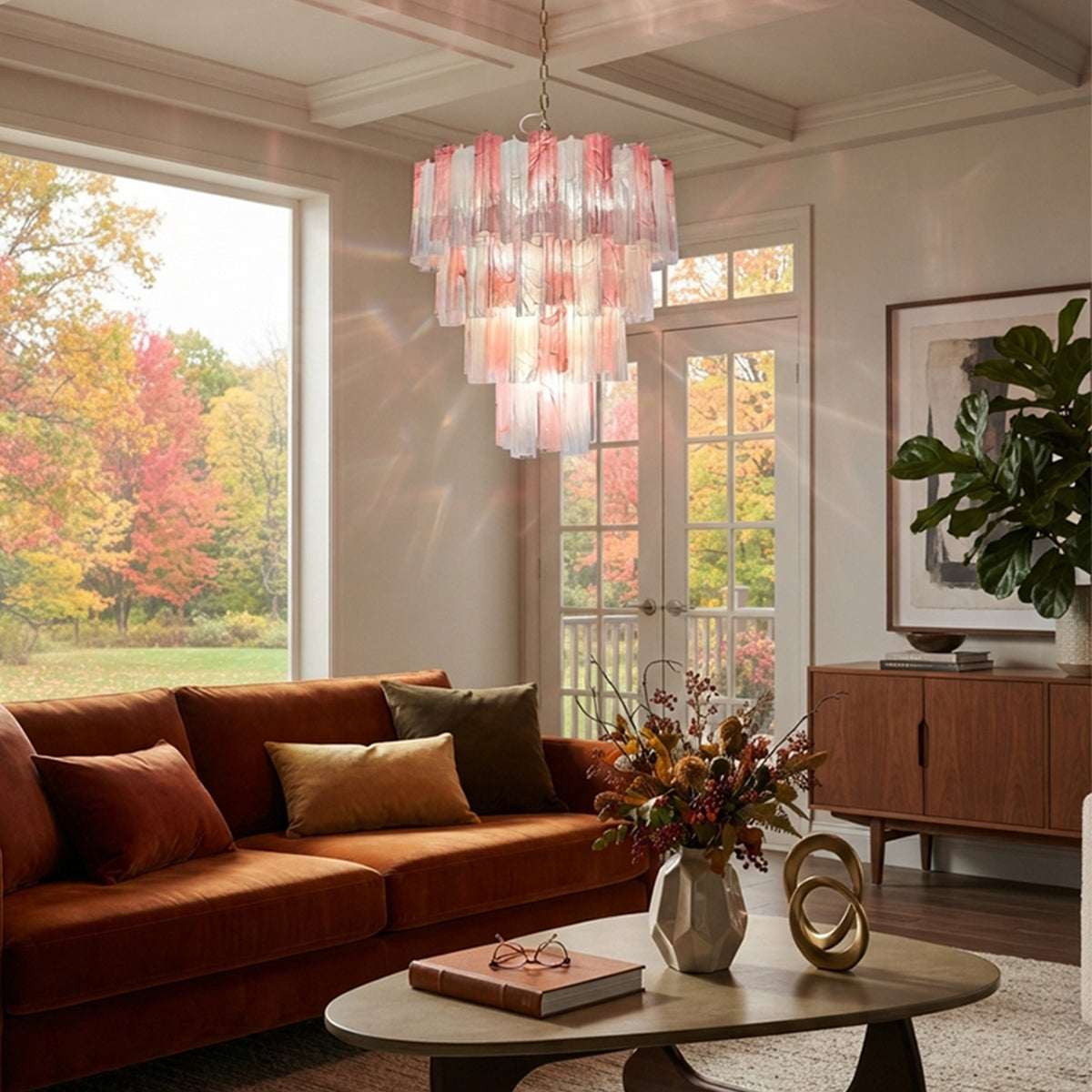
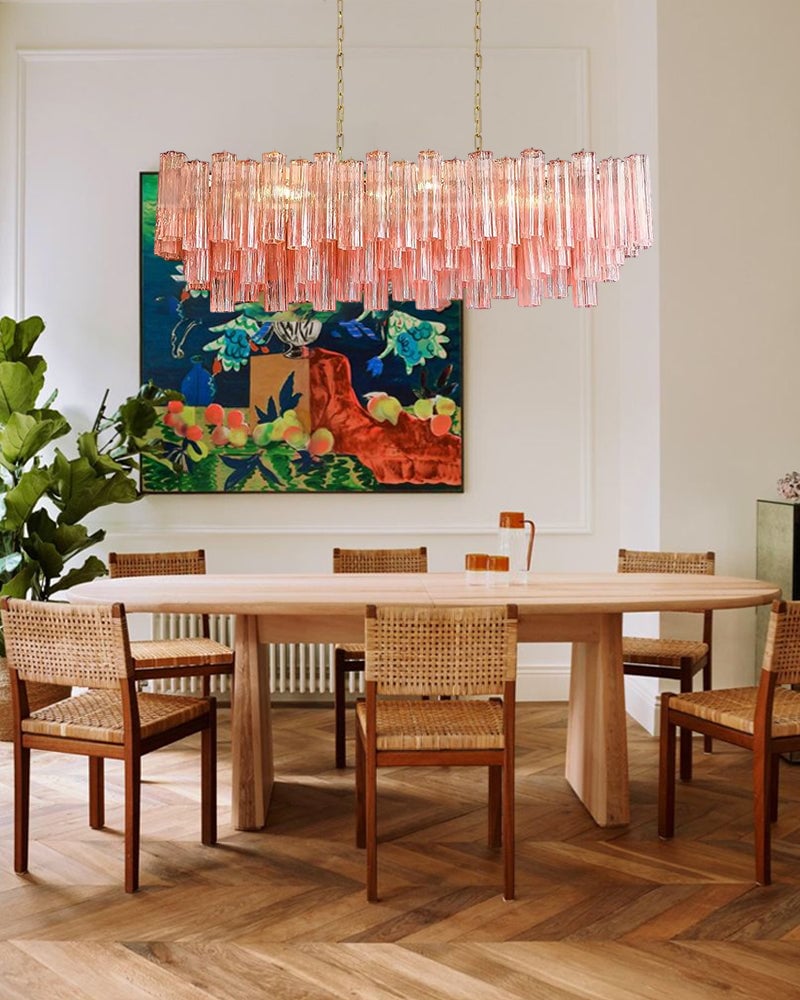
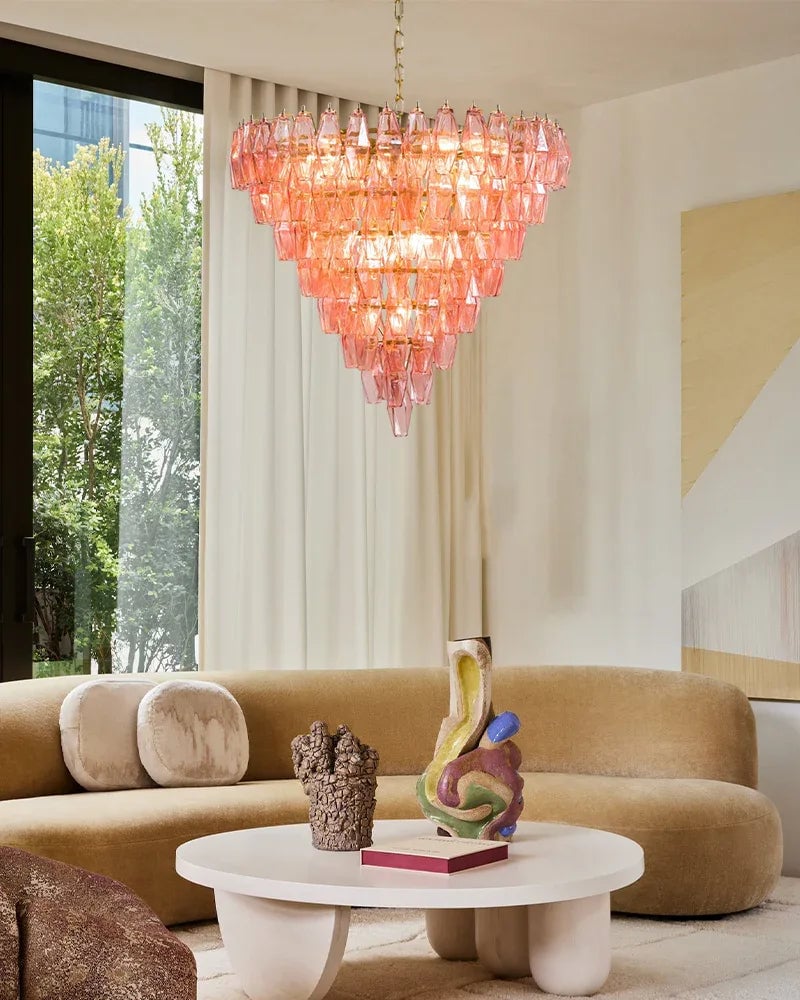
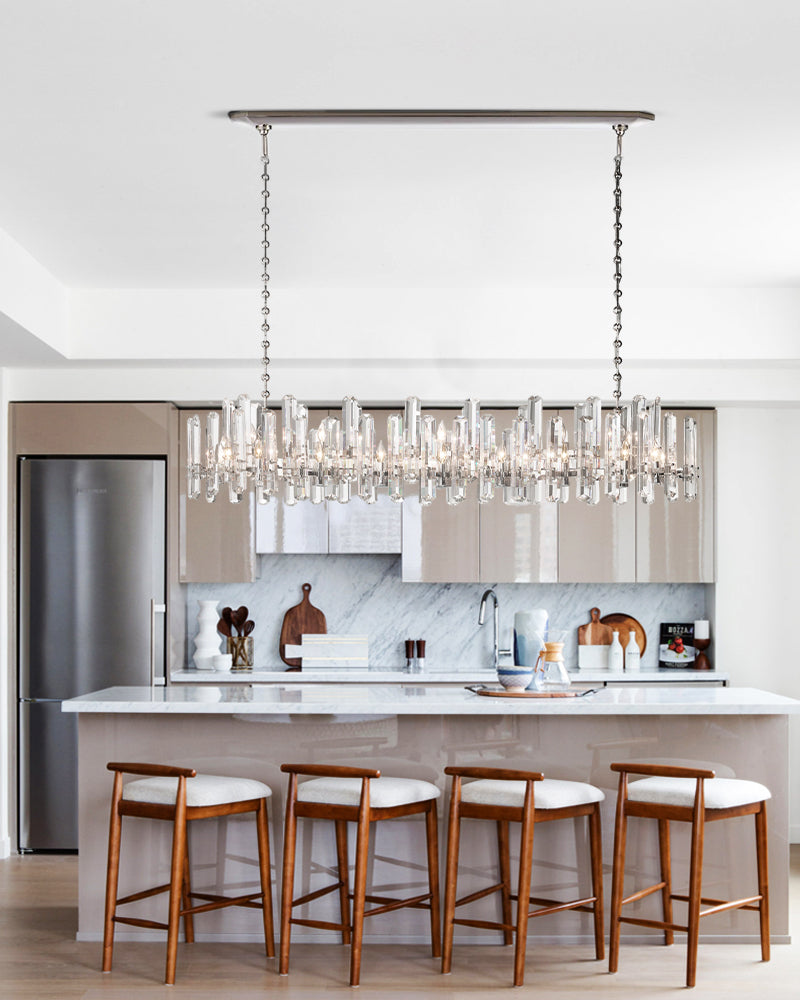
When considering lighting for dining area spaces, the chandelier often takes center stage. For an open-concept layout, the chandelier above the kitchen dining table is more than just a light source; it's a sculptural element that can elevate the entire space. The key is to select a chandelier that resonates with your personal style and the overarching aesthetic of your home, while also being mindful of its scale relative to the dining table and the ceiling height. A grand, multi-tiered crystal chandelier can introduce a layer of opulence, reflecting light and adding sparkle to every meal. Alternatively, a minimalist modern design, perhaps in brushed metal or frosted glass, can offer a sophisticated, understated elegance. Consider the materials: hand-blown Murano glass offers unparalleled artisanal quality and color depth, while K9 crystal prisms refract light into dazzling rainbows. The right chandelier for kitchen dining table acts as a conversation starter and a testament to refined taste.
Illuminating Elegance: Exploring Styles for Dining Room Lighting
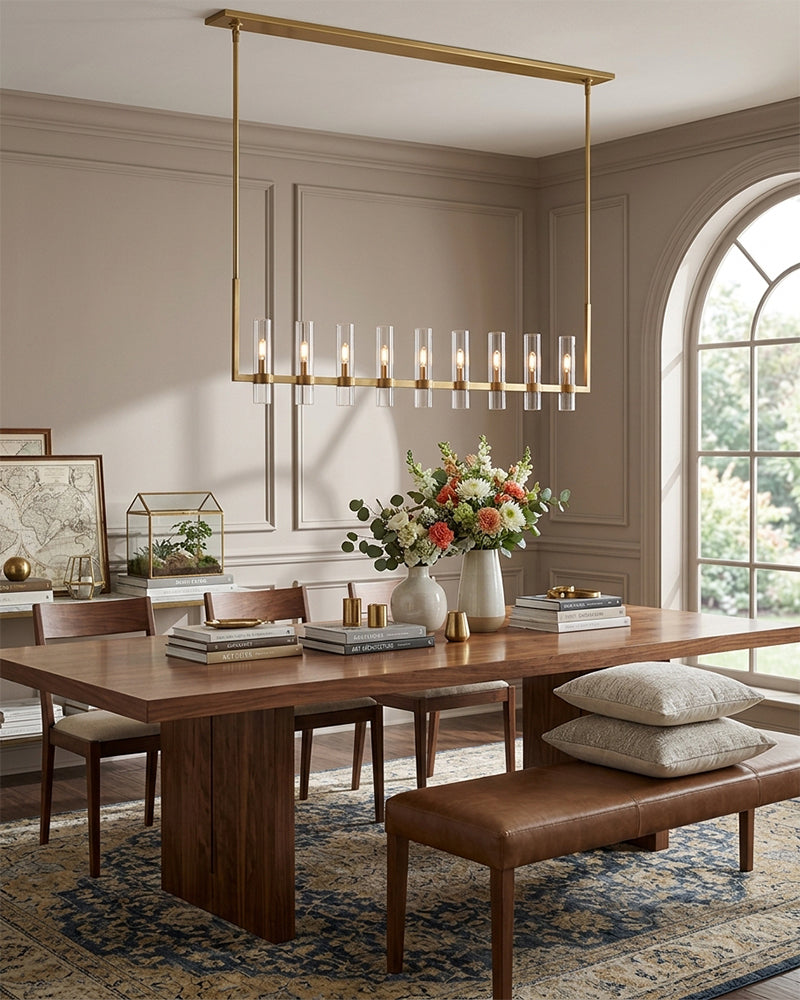
The choice of dining room lighting is deeply personal and should reflect the desired mood and style. In open-concept settings, balancing the need for task lighting with ambient and accent lighting is crucial. Consider the interplay of different light sources. While a central chandelier provides a strong visual anchor and general illumination, supplementary lighting can enhance functionality and atmosphere. Wall sconces flanking a buffet or artwork can add a warm, inviting glow, while strategically placed recessed lighting can ensure the entire area is well-lit without overwhelming the senses. For a more contemporary feel, consider linear suspension lights that follow the length of the dining table, offering a sleek and modern profile. Geometric designs, organic shapes, and fixtures with intricate metalwork can all contribute to the unique character of your dining space. The goal is to create a layered lighting scheme that is both beautiful and practical, adaptable to various occasions, from casual family dinners to elegant soirées.
The Power of Scale and Proportion
Selecting the appropriate scale for your dining area chandelier is critical in an open-concept space. A fixture that is too small can get lost, failing to define the dining zone adequately. Conversely, an oversized chandelier can dominate the space, making it feel cramped and unbalanced. A general guideline is to ensure the chandelier's width is approximately half to two-thirds the width of the dining table. Its height should also be considered; typically, the bottom of the chandelier should hang 30-36 inches above the tabletop to allow for comfortable conversation and unobstructed views across the table. For very high ceilings, consider using a longer chain or extension rod to bring the light source down to an optimal level. The visual weight of the fixture also plays a role; a delicate, airy design will feel different from a solid, substantial piece.
Materiality and Finish: Adding Luxury and Texture
The materials and finishes of your dining area lighting fixtures are integral to conveying a sense of luxury and sophistication. Think about how light interacts with different surfaces. Polished brass or gold finishes can add warmth and glamour, reflecting light beautifully. Brushed nickel or matte black offer a more contemporary and understated elegance. Natural materials like wood or stone can bring an organic, textural element to the design. For a truly bespoke feel, consider fixtures crafted from hand-blown glass, such as vibrant Murano glass, or those adorned with high-quality crystals like K9. These materials not only provide exceptional illumination but also act as decorative objects in their own right, adding depth and character to your dining space. The interplay of light and shadow created by these exquisite materials can transform a simple meal into a memorable experience.

Enhancing Functionality: Layered Lighting for Versatility
Beyond the central statement piece, a comprehensive approach to dining room lighting for open-concept kitchens and dining areas involves layering different types of illumination to enhance functionality and mood. Dimmers are essential for controlling the intensity of light, allowing you to transition from bright, task-oriented lighting for everyday meals to a softer, more intimate glow for evening gatherings. Consider incorporating accent lighting, such as adjustable spotlights directed at artwork or architectural features, to draw attention to specific elements and add visual interest. Wall sconces provide ambient light and can create a sense of warmth and welcome, particularly in larger open spaces. Task lighting integrated into kitchen cabinetry or under shelves can illuminate prep areas without detracting from the dining zone's ambiance. This multi-layered approach ensures that your dining area is not only visually stunning but also perfectly suited to every occasion.
The Role of Ambient, Task, and Accent Lighting
In an open-concept design, understanding the distinct roles of ambient, task, and accent lighting is key to creating a balanced and functional dining area. Ambient lighting provides the general illumination for the space, often achieved through the main chandelier or pendant lights. This is the foundation upon which other lighting layers are built. Task lighting is focused on specific activities, such as illuminating the dining table for eating or a nearby sideboard for serving. This might involve the main chandelier itself, or perhaps smaller, more focused lights. Accent lighting is used to highlight features or create mood, such as uplighting a plant, illuminating artwork, or casting a soft glow from decorative lamps. By thoughtfully combining these three types of lighting, you can create a dynamic and inviting dining environment that is both practical and aesthetically pleasing. The careful selection of dining area lighting ensures that each zone within the open-plan home feels intentional and well-appointed.
Conclusion: Crafting the Perfect Atmosphere
Selecting the right lighting for dining area in an open-concept home is an art form that blends functionality with aesthetic sophistication. The dining area chandelier serves as the primary anchor, defining the space and setting the tone. By carefully considering scale, proportion, materials, and finishes, you can choose a fixture that not only illuminates but also enhances the overall design narrative of your home. Layering ambient, task, and accent lighting further refines the atmosphere, ensuring versatility and comfort. Ultimately, the goal is to create a dining space that feels both intimate and connected, a welcoming sanctuary for shared meals and cherished memories. Investing in exquisite dining room lighting is an investment in the heart of your home.

LightsStory is a premium online lighting store specializing in modern chandeliers, pendant lights, and high-end residential lighting.
Its collection covers chandeliers, ceiling lights, wall sconces, and table lamps, made to order using materials such as Murano glass and alabaster.
Exclusively serving the US and Canada, LightsStory delivers custom, design-driven lighting for contemporary homes and interior projects.

Leave a comment
This site is protected by hCaptcha and the hCaptcha Privacy Policy and Terms of Service apply.