
The Ideal Height for a Lights Over a Kitchen Island & Dining Table?
LightsStory - Exclusive Chandeliers, Pendant Lights, Ceiling Lights, Wall Sconces, Table & Floor Lamps. Affordable, custom lighting for modern and traditional interiors.
SHOP THE COLLECTIONElevating a luxury residence is an art form, where every detail, no matter how seemingly small, contributes to the overall symphony of sophisticated living. Among these crucial elements, lighting plays an unparalleled role, shaping ambiance, defining spaces, and accentuating the inherent beauty of high-end design. When it comes to the heart of the home – the kitchen and the adjacent dining area – the placement of light fixtures is paramount. This is not merely a matter of illumination; it is about creating an experience, a harmonious balance between form and function that speaks volumes about the discerning taste of the homeowner. Today, we delve into a question that often arises in the pursuit of perfect interior design: The Ideal Height for a Lights Over a Kitchen Island & Dining Table?
The Art of Illumination: Defining Space with Light
In the realm of luxury interiors, lighting is not an afterthought but a foundational component of the design narrative. It dictates mood, guides the eye, and transforms a house into a cherished home. The intersection of the kitchen island and the dining table often represents the social nexus of a residence, a place for convivial gatherings and intimate meals. Therefore, the lighting suspended above these areas must be meticulously considered, serving not only a practical purpose but also an aesthetic one. The goal is to achieve a visual equilibrium, where the light source enhances the space without overwhelming it or impeding interaction.

Understanding the Ergonomics of Overhead Lighting
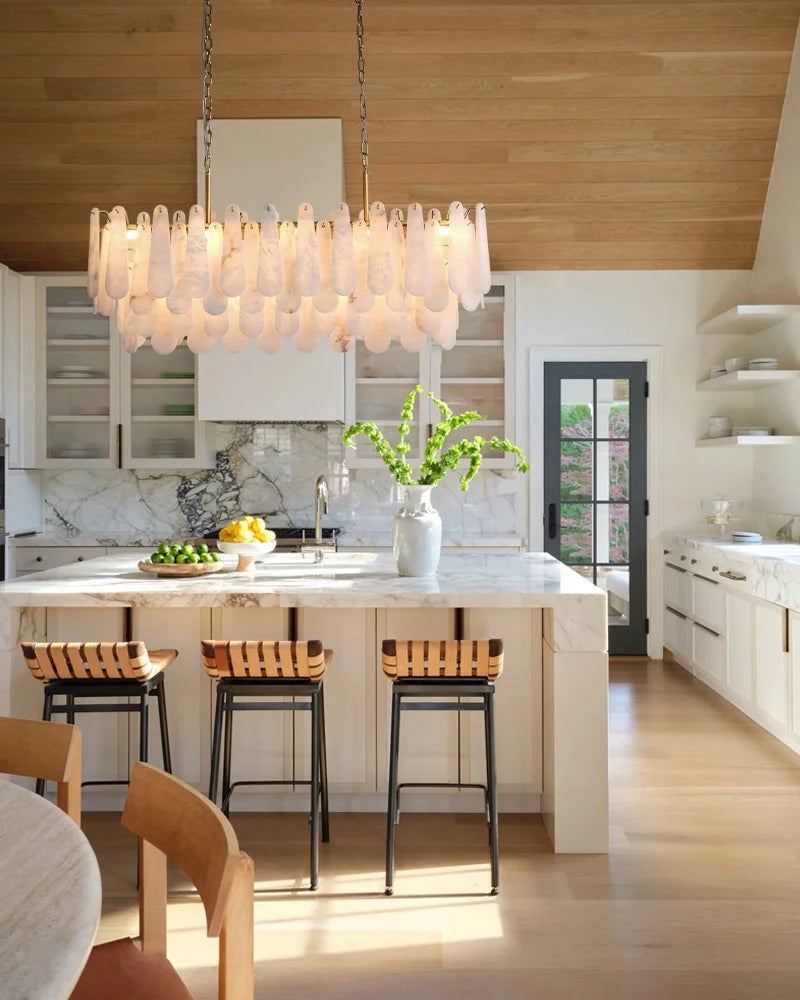
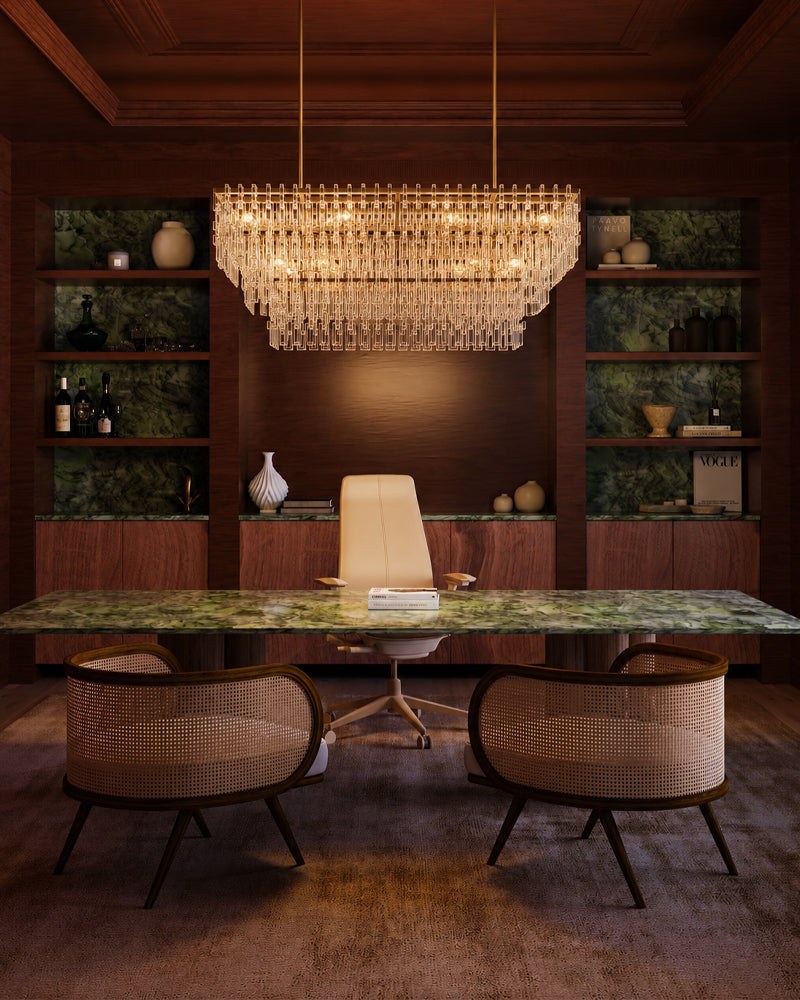
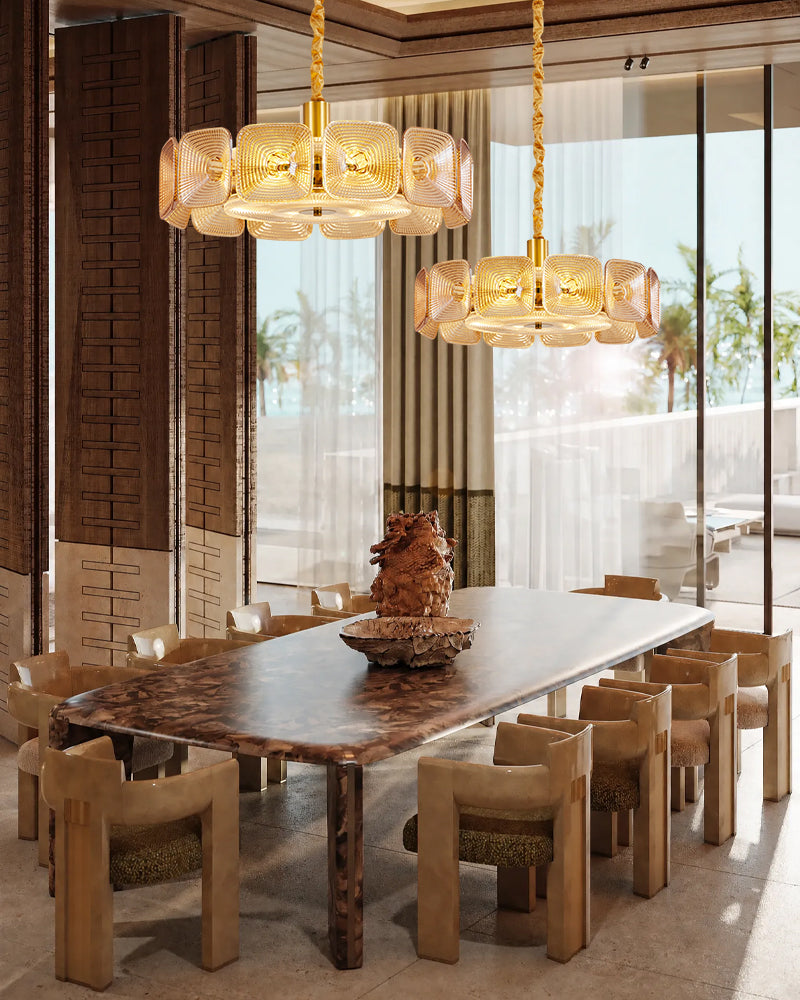
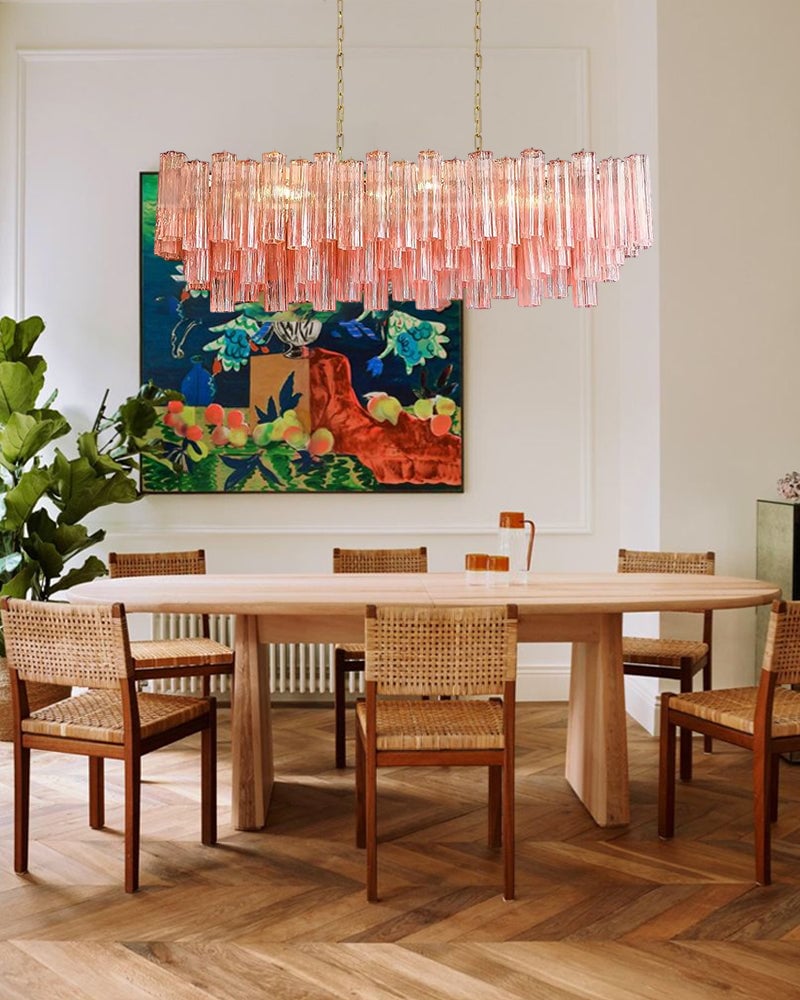
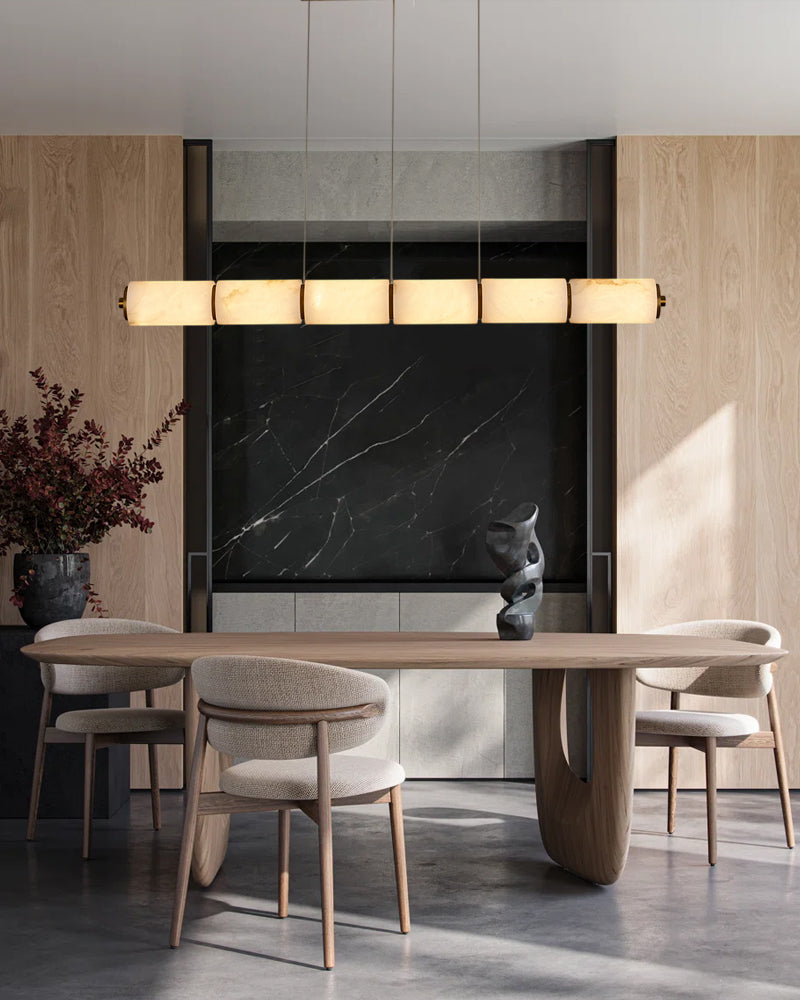
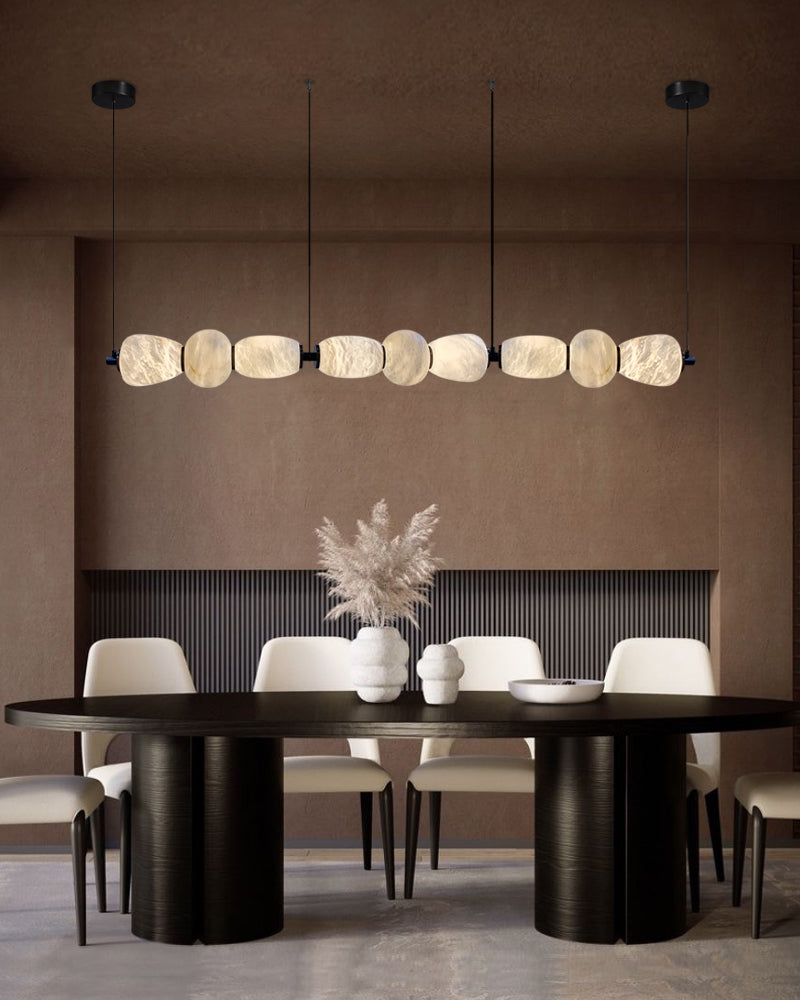
The precise positioning of a light fixture above a dining table or kitchen island is a delicate balance. The universally accepted benchmark for optimal illumination and visual comfort places the bottom of the fixture between 30 to 36 inches from the tabletop. This specific range is not arbitrary; it is grounded in ergonomic principles and aesthetic considerations that ensure the light is sufficiently concentrated on the surface below for tasks like dining, preparing food, or engaging in conversation, while simultaneously preventing disruptive glare that can mar the dining experience or obstruct sightlines between guests.
This measurement is critical for several reasons. Firstly, it ensures that the light source is close enough to effectively illuminate the table or island, making it functional for its intended purpose. Secondly, it positions the fixture at a height that is generally comfortable for individuals of average height to pass underneath without feeling encroached upon, maintaining a sense of openness and ease of movement within the space. Finally, this height range often creates a visually pleasing proportion, allowing the fixture to feel like an integral part of the table setting rather than an isolated element.
Factors Influencing Fixture Height
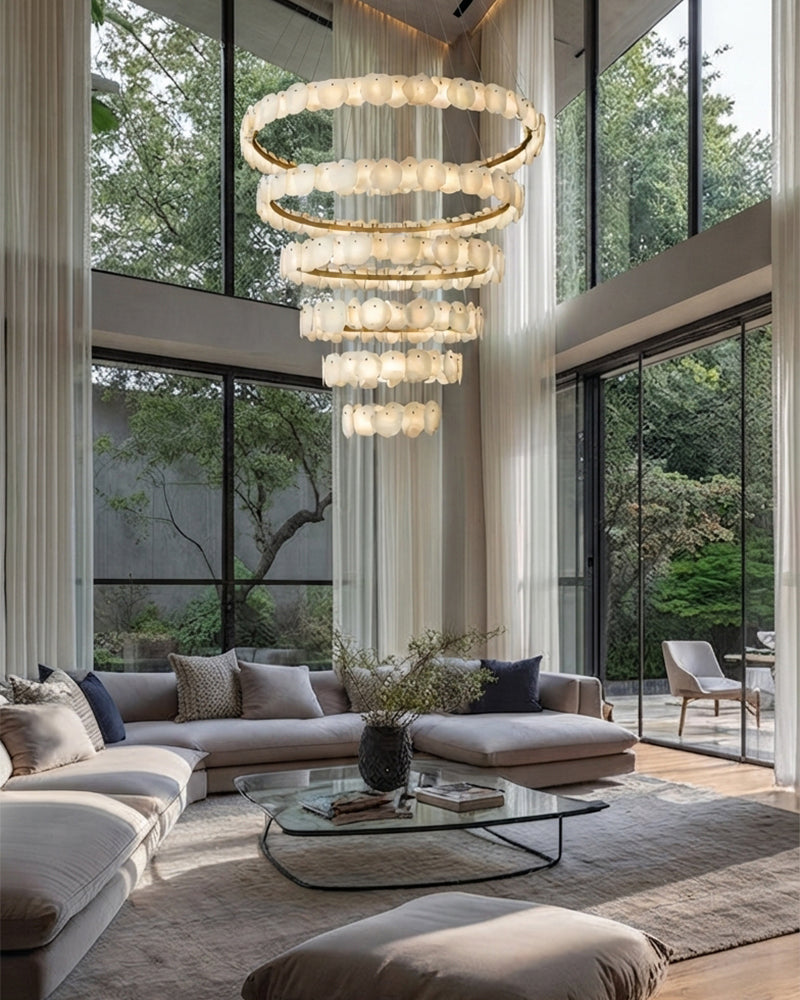
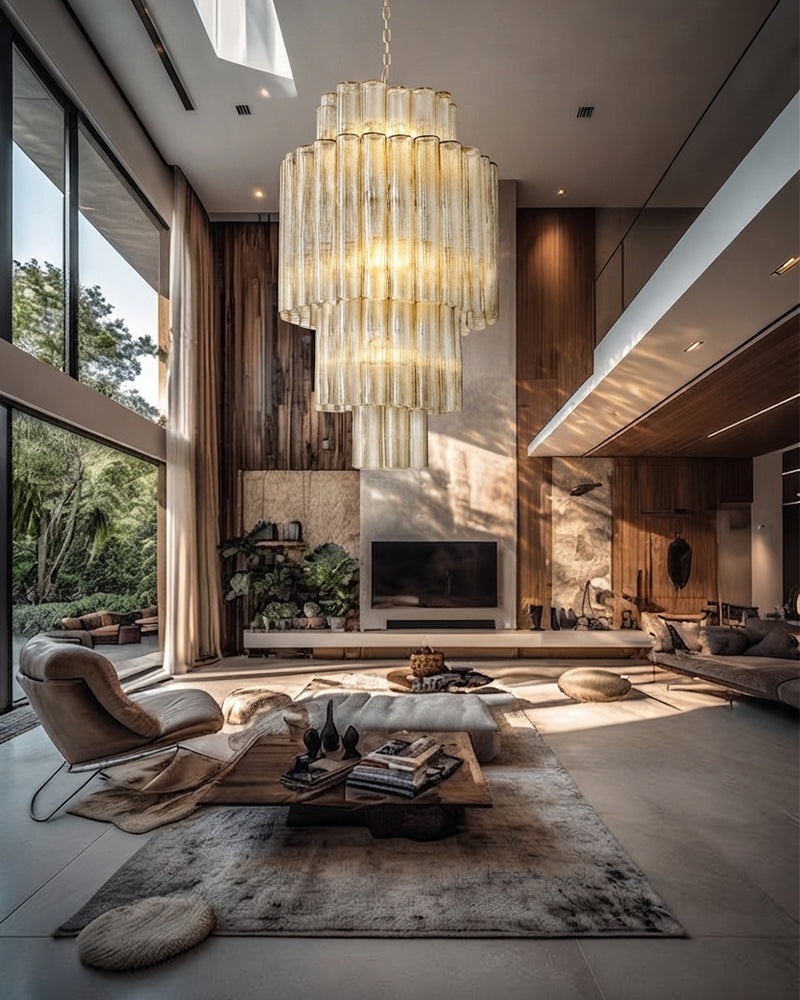
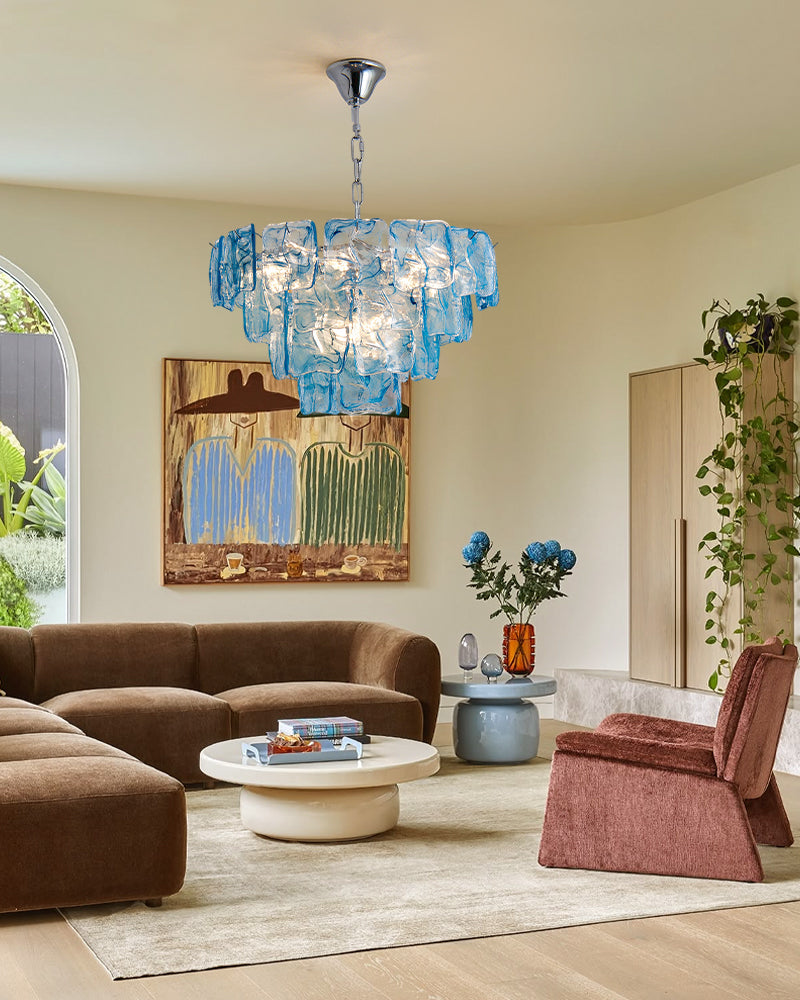
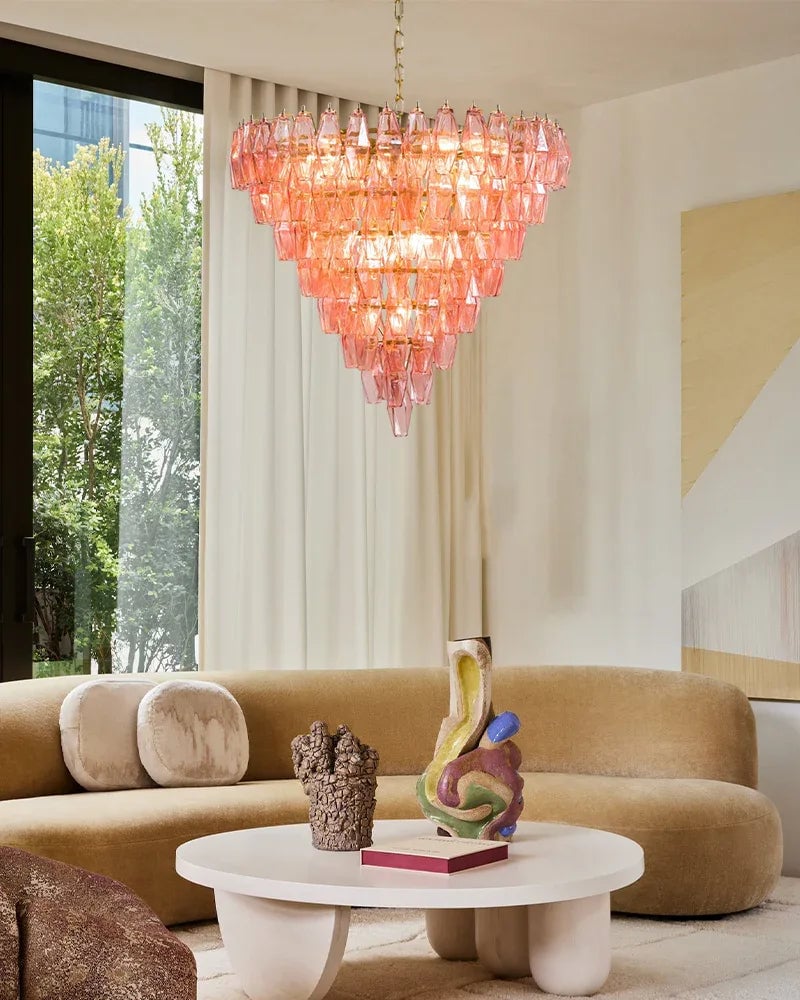
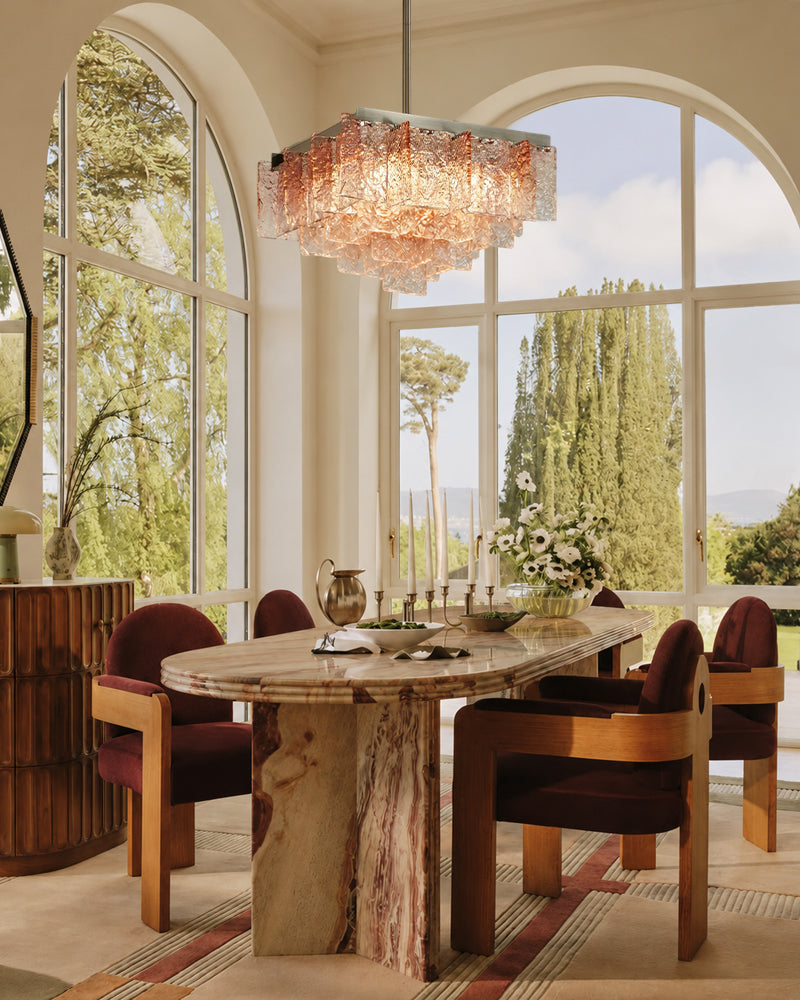
While the 30-36 inch guideline serves as an excellent starting point, the ultimate height can and often should be adjusted. The architectural nuances of a room play a significant role. In residences with grand, soaring ceilings, a fixture hung at precisely 30 inches might appear too low, losing its impact and potentially feeling disproportionate to the vastness of the space. In such scenarios, a slight elevation of the fixture, perhaps moving towards the higher end of the recommended range or even slightly beyond, can be more appropriate. However, it is imperative to maintain a sense of balance. The fixture should still feel connected to the table or island below, creating a defined zone of light rather than appearing as an independent element floating too high above.
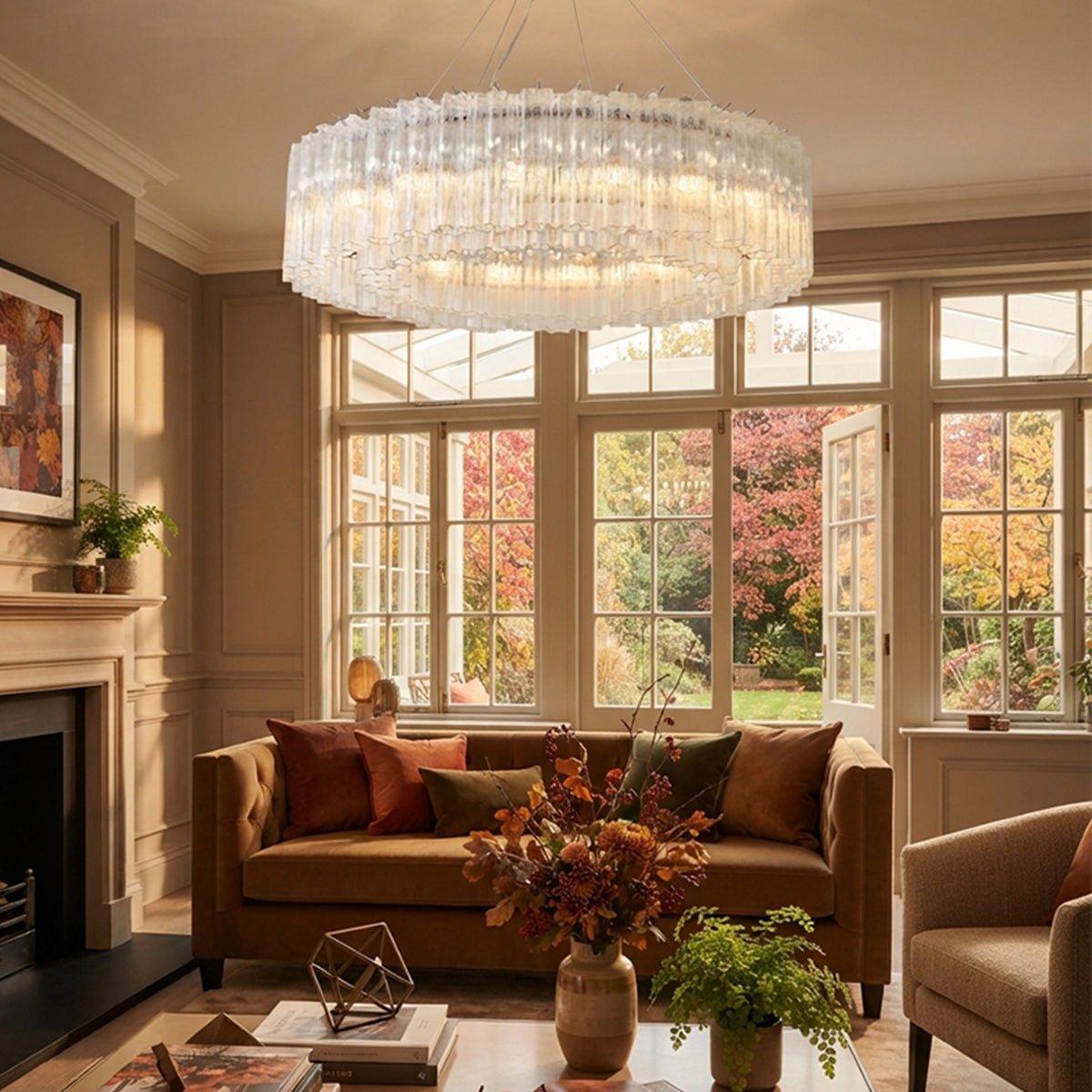
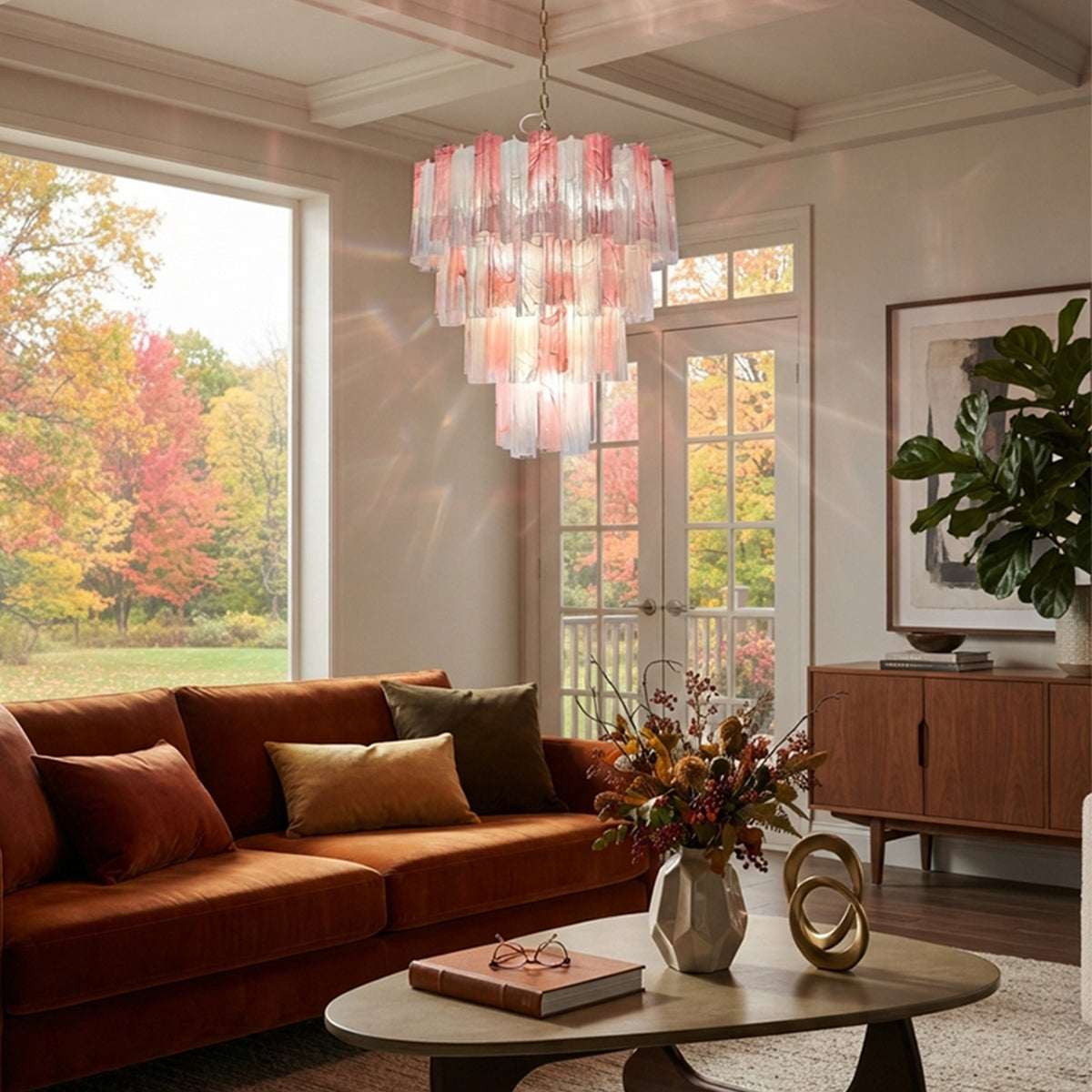
The scale and design of the fixture itself also dictate placement. A large, dramatic chandelier will command a different vertical positioning than a collection of delicate pendant lights. A substantial fixture might require being hung slightly higher to avoid overwhelming the table, while a cluster of smaller lights might benefit from being positioned lower to create a more intimate and focused pool of light. The key is to consider the fixture not just as a light source, but as a sculptural element that contributes to the overall aesthetic composition of the room.
Curator's Note: The specific height can be adjusted depending on the size of the fixture, the ceiling height, and the overall scale of the room. For higher ceilings, the fixture can be hung slightly higher, but maintaining a balanced proportion relative to the table and surrounding space is key for both functionality and aesthetics.
The Ideal Height for a Lights Over a Kitchen Island & Dining Table?: A Harmonious Blend
Achieving the perfect height is about more than just following a rule; it's about understanding the interplay between light, space, and human interaction. For a kitchen island, the same principles apply, though the context might shift slightly. Kitchen islands often serve dual purposes – as a workspace for meal preparation and as a casual dining or gathering spot. The lighting must accommodate both. A height that allows for clear visibility and task lighting during prep, while also creating an inviting atmosphere for guests or family members seated at the island, is ideal.
The choice of fixture further refines this balance. Consider the visual weight. A visually light fixture, such as a minimalist pendant with a slender profile or a delicate glass shade, can be hung lower without making the space feel cramped. Conversely, a heavier or more complex fixture might need a bit more vertical clearance to maintain an airy feel. Ultimately, the objective is to create a space that is both beautifully lit and supremely comfortable, where the lighting enhances the luxury and functionality of the home.
Achieving Proportional Perfection
In luxury interior design, proportionality is everything. The relationship between the light fixture, the table or island, and the ceiling height must be harmonious. A fixture that is too large for the table can make the setting feel cramped, while one that is too small can be lost in the grandeur of the room. Similarly, the height at which the fixture is suspended is a critical component of this proportion. A well-placed light fixture acts as an anchor, defining the dining or kitchen island area and drawing the eye in a sophisticated manner. It should feel like a deliberate and integral part of the overall design, contributing to the curated elegance that defines a high-end residential space.
When in doubt, visualize the space. Imagine yourself seated at the table or standing at the island. Does the light feel intrusive? Is it too high to be effective? Or does it strike that perfect balance, casting a warm, inviting glow that enhances the beauty of the materials and the company? This intuitive understanding, coupled with the established guidelines, will lead you to the ideal height, ensuring that your lighting not only illuminates but also elevates your living experience.

LightsStory is a premium online lighting store specializing in modern chandeliers, pendant lights, and high-end residential lighting.
Its collection covers chandeliers, ceiling lights, wall sconces, and table lamps, made to order using materials such as Murano glass and alabaster.
Exclusively serving the US and Canada, LightsStory delivers custom, design-driven lighting for contemporary homes and interior projects.

Leave a comment
This site is protected by hCaptcha and the hCaptcha Privacy Policy and Terms of Service apply.