
In the grand design of a luxury residence, the hallway is frequently the architectural underdog. It is often viewed merely as a means to an end—a functional connector between the living room and the master suite, or the kitchen and the dining hall. However, at LightsStory, we believe that the transitional spaces of a home possess the most profound potential for atmospheric storytelling. The hallway is not just a gap between destinations; it is the spine of the home, the narrative thread that weaves together the disparate chapters of your domestic life.
To neglect the lighting in a corridor is to break the spell of the home’s interior design. To master it, however, is to create A Passage of Light. By utilizing high-end, sculptural wall sconces, we can transform these narrow thoroughfares into galleries of luminescence, ensuring that the journey from one room to another is as impactful as the arrival itself.
The Gallery Corridor: Redefining Transitional Space
Imagine walking from a vibrant, chandelier-lit dining room into a dark, utilitarian corridor. The mood is instantly severed. The luxury experience relies on continuity—a seamless flow of aesthetic intention. This is where the concept of the Gallery Corridor comes into play. By treating the walls of your hallway as canvases and the light fixtures as the art, you elevate the space from a simple walkway to a destination in its own right.
The philosophy here is rooted in the interplay of form and function. Sculptural wall sconces turn the hallways into a gentle conduit of light, leading you through the home with a soft, amber pulse. Unlike overhead recessed lighting, which can flatten a space and create harsh, interrogation-style shadows on the floor, wall sconces introduce a vertical dimension to the illumination. They draw the eye upward and outward, expanding the perceived width of the corridor and highlighting architectural details such as wainscoting, molding, or curated artworks.
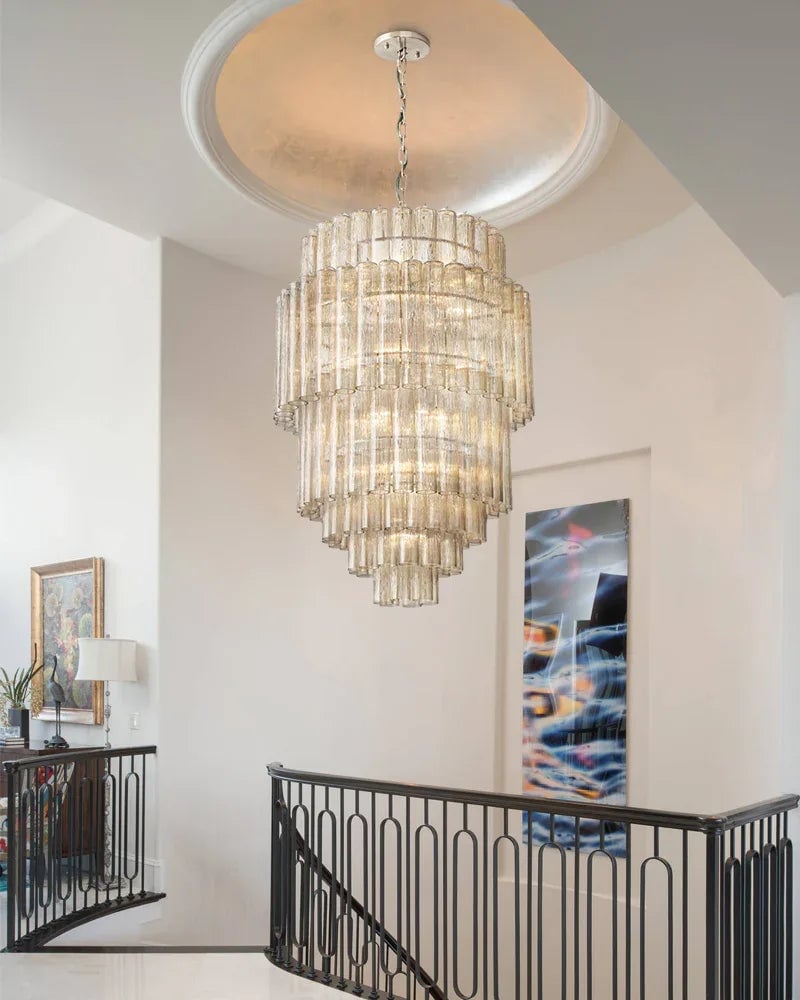
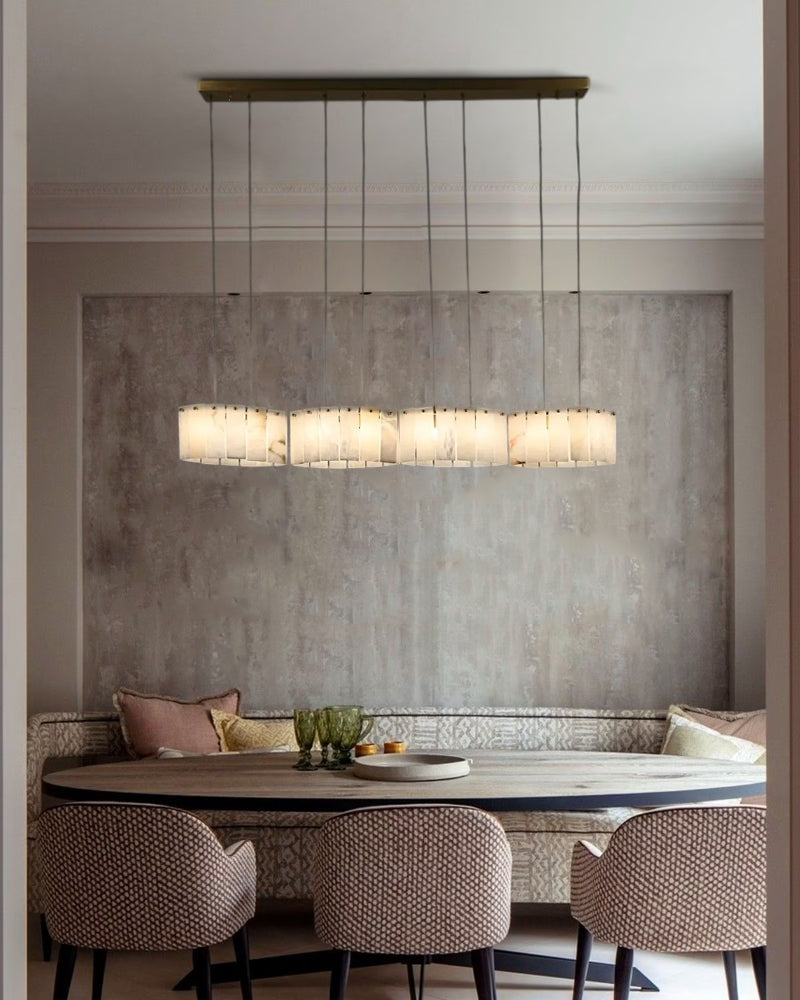
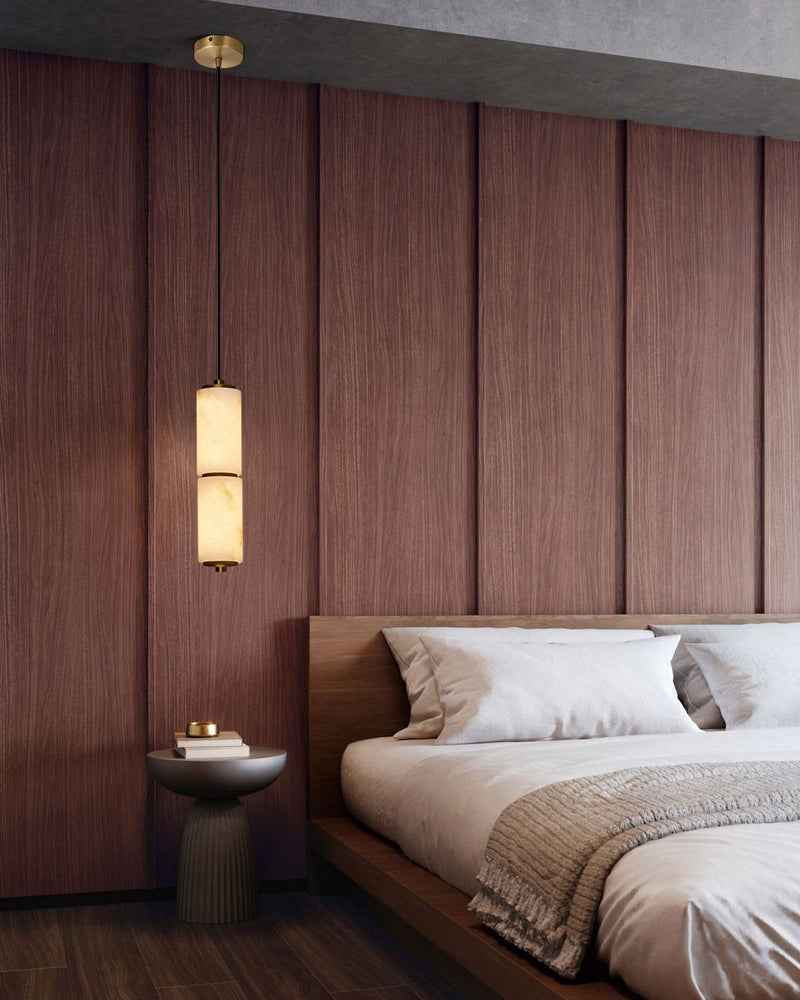
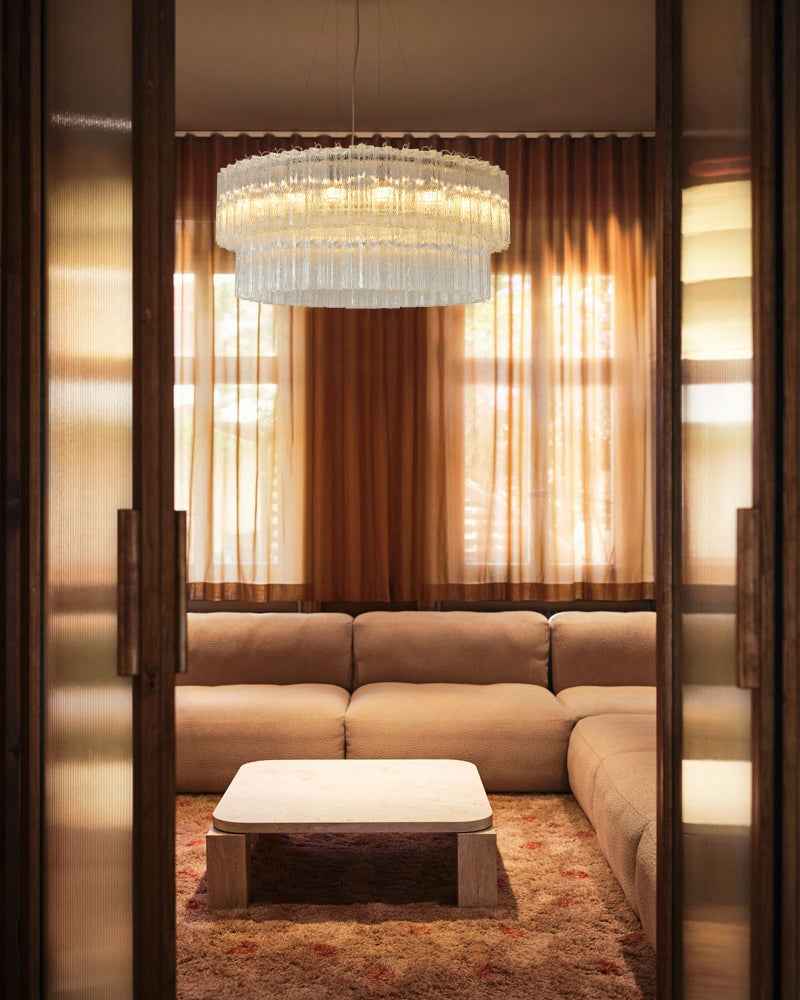
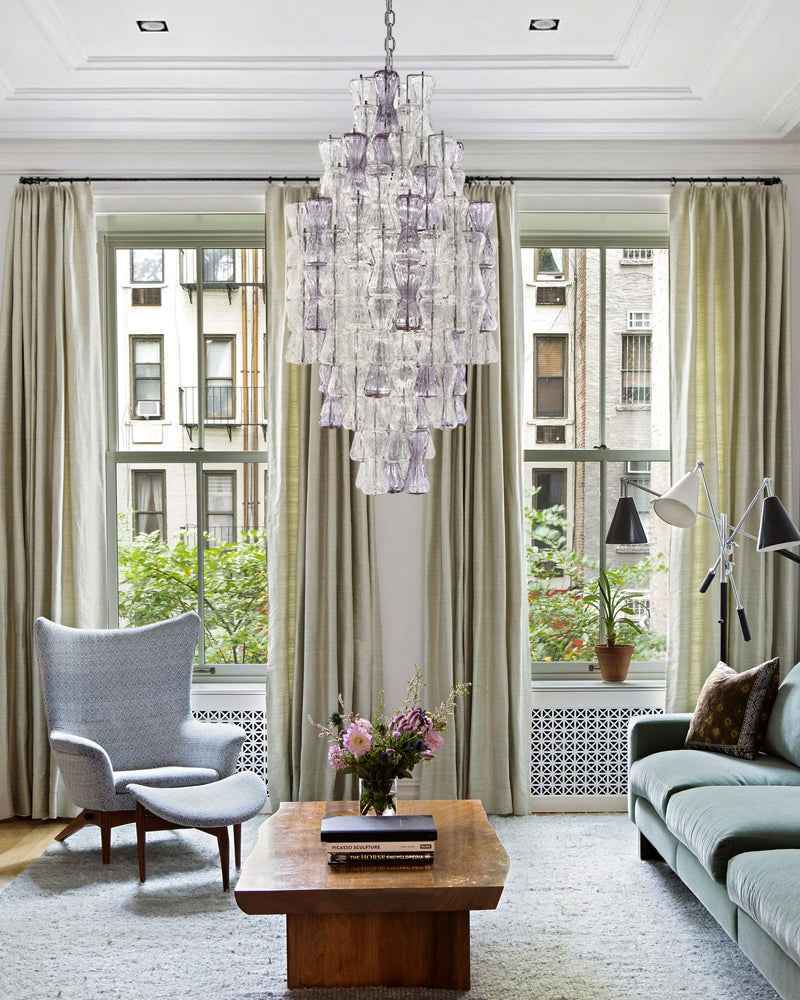
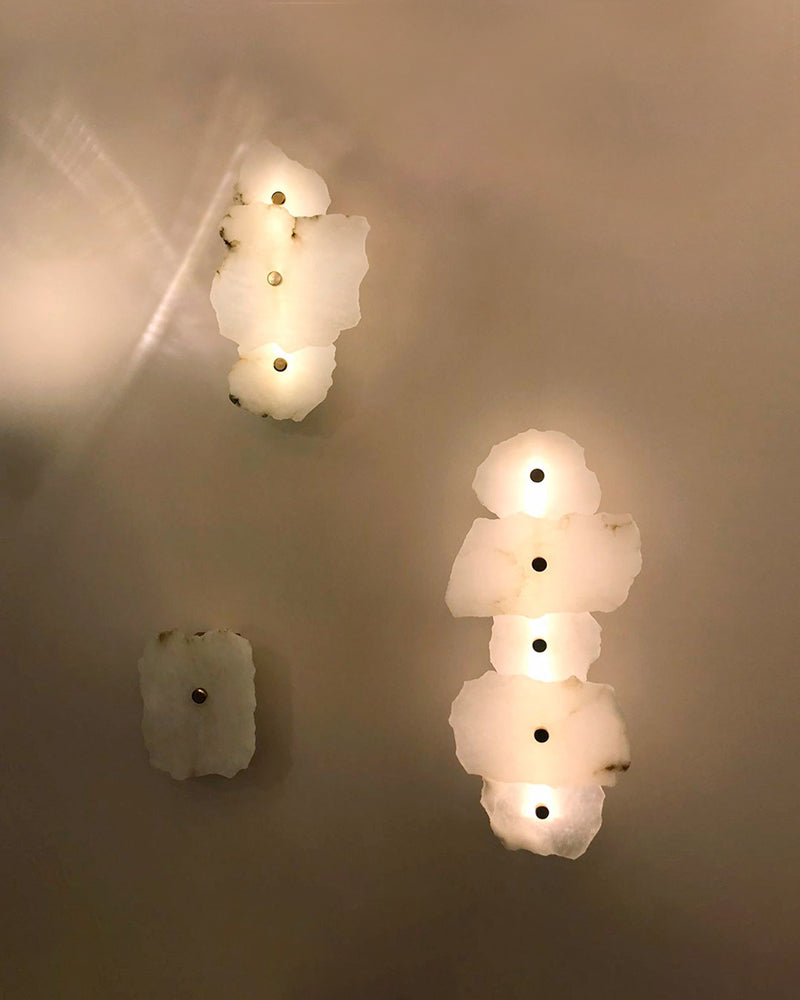
In this context, the fixture is not merely a holder of a lightbulb; it is a piece of jewelry for the architecture. Whether it is a fixture of hand-blown Venetian glass that refracts light into prismatic shards, or a minimalist block of alabaster that glows with an ethereal inner fire, the sconce sets the rhythm of the walk. It dictates the pace. A well-lit corridor invites you to slow down, to breathe, and to appreciate the silence of the transition.
Sculptural Sconces: The Art of Materiality
When selecting sconces for a luxury hallway, materiality is paramount. Because hallways are often narrower than main living areas, the viewer interacts with these fixtures at close range. The details—the finish of the metal, the texture of the glass, the weight of the stone—must withstand intimate scrutiny.
At LightsStory, we advocate for materials that possess an inherent warmth and life. Brushed brass and antiqued bronze are perennial favorites for their ability to catch and soften the light, adding a golden hue even when the fixture is dimmed. These metals age gracefully, developing a patina that tells a story of time and permanence.
For a more modern, ethereal aesthetic, consider the use of crystal or fused glass. A sculptural sconce composed of jagged, ice-like crystal rods can create a dazzling interplay of shadow and light, casting intricate patterns against the wall that mimic the movement of water. Conversely, matte black or oil-rubbed bronze fixtures with hidden light sources can create a moody, mysterious atmosphere, where the light seems to emanate from the architecture itself rather than a visible bulb.
The shape of the sconce also plays a critical role in the "sculptural" aspect. We are moving away from traditional torch-style lights toward organic forms—curves that mimic leaves, geometric abstractions, or fluid ribbons of metal. These shapes break the rigid linearity of a long hallway, adding softness and movement to a static space.
Washing the Walls in a Warm Embrace
The technique of lighting a hallway is just as important as the fixture selected. The goal is to avoid "hot spots"—areas of intense glare that strain the eye—and instead achieve a uniform, soothing wash of illumination. By washing the walls in a warm embrace, these fixtures eliminate shadows and ensure every transition feels as inviting as the rooms they connect.
Wall washing is a technique where light is directed vertically along the surface of the wall. This does two things: first, it emphasizes the texture of the wall surface, whether it is a silk wallpaper, a Venetian plaster, or a rustic stone. Second, it bounces light off the vertical surfaces and back into the center of the hall, creating a soft, indirect glow that is universally flattering. This is the lighting equivalent of a soft-focus lens; it smoothes imperfections and creates a sense of serenity.
To achieve this "warm embrace," placement is key. Sconces should generally be placed at eye level, roughly 60 to 66 inches from the floor, to prevent glare from looking directly into the bulb. The spacing should be rhythmic but not monotonous—creating pools of light that overlap slightly, ensuring there are no dark patches, but preserving enough contrast to maintain drama.
LightsStory is a premium online lighting store specializing in modern chandeliers, pendant lights, and high-end residential lighting.
Its collection covers chandeliers, ceiling lights, wall sconces, and table lamps, made to order using materials such as Murano glass and alabaster.
Exclusively serving the US and Canada, LightsStory delivers custom, design-driven lighting for contemporary homes and interior projects.
The Amber Pulse: Atmospheric Nuance
Lighting is biological. It affects our mood, our energy levels, and our circadian rhythms. In the evening, as the home winds down, the hallway should not jolt the senses with blue-white daylight. Instead, it should guide the resident with a soft, amber pulse.
This "amber pulse" refers to the color temperature of the light. For luxury residential corridors, we recommend a color temperature between 2400K and 2700K. This range mimics the warm glow of candlelight or the setting sun. It signals to the brain that it is time to rest, making the walk to the bedroom a part of the sleep hygiene ritual.
Furthermore, the integration of smart dimming technology is non-negotiable in modern luxury design. A sconce that provides crisp, bright light for cleaning during the day should be able to dim down to a faint, navigational glow at night. This dynamic capability allows the hallway to breathe with the home, changing its character as the day progresses. The "pulse" is the heartbeat of the home, slow and steady, providing reassurance in the dark.
Curating the Narrative: Styles of Illumination
Every home tells a different story, and the sconces you choose for your hallway are the adjectives in that narrative. Here is how different styles can transform the passage:
The Modern Minimalist
For the home defined by clean lines and open spaces, the hallway sconce should be an exercise in restraint. Think slim vertical bars of LED light, recessed plaster-in fixtures that appear to be tears in the wall, or simple geometric discs of backlit alabaster. The goal here is "light as architecture." The fixture disappears, leaving only the effect of the light.
The Art Deco Revival
If your home leans toward the opulent, with velvet textures and rich colors, the hallway deserves jewelry. Sconces featuring fluted glass, polished brass, and geometric fan shapes evoke the glamour of the 1920s. These fixtures are conversation starters, turning the hallway into a grand promenade.
The Organic Industrial
For a loft or a home with rustic elements, look for sconces that combine raw materials with refined finishes. A mesh cage housing an Edison bulb, a fixture made of hammered copper, or a sconce that incorporates wood and leather elements can add tactile interest to the smooth walls of a corridor.
Practical Opulence: The Technicals of Transition
While the aesthetic impact is our primary focus, the technical execution ensures the longevity and functionality of the design. When planning A Passage of Light, one must consider the spacing and the throw of the light.
A common mistake is overcrowding. In a long hallway, silence is as important as sound; darkness is as important as light. Allow breathing room between fixtures. A span of six to eight feet between sconces is standard, but this can vary based on the intensity of the fixture and the height of the ceiling. The aim is to create a rhythm—light, shadow, light, shadow—that pulls the person forward.
Furthermore, consider the projection of the sconce. In narrower hallways, ADA-compliant fixtures (which protrude four inches or less from the wall) are often necessary to keep the walkway clear. However, "compliant" does not mean "boring." Many of the world’s top lighting designers have created slim-profile sconces that pack an immense visual punch without encroaching on the physical space.
The Final Transition
The hallway is the artery of the home. It sees the most traffic, yet often receives the least love. By reframing this space as a gallery, a place of pause, and a passage of light, you elevate the entire experience of the home.
Sculptural wall sconces are the tools of this transformation. They are the guardians of the mood, standing sentinel along the walls. By washing the walls in a warm embrace, they push back the boundaries of the room and invite you in. They eliminate the harsh shadows of the day and replace them with the soft, amber pulse of the evening.
At LightsStory, we invite you to look at your hallway not as a corridor, but as a canvas. Let us help you paint it with light, ensuring that every step you take within your home is a step taken in beauty. Because ultimately, luxury is not just about where you are, but how it feels to get there.

Leave a comment
This site is protected by hCaptcha and the hCaptcha Privacy Policy and Terms of Service apply.