
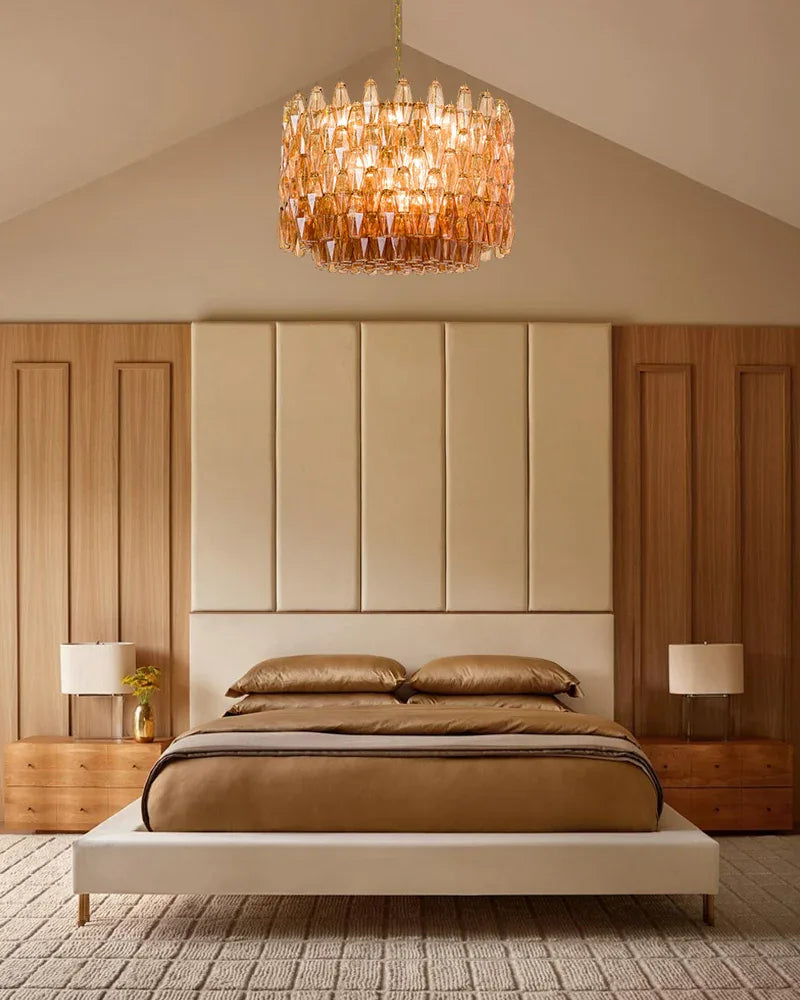
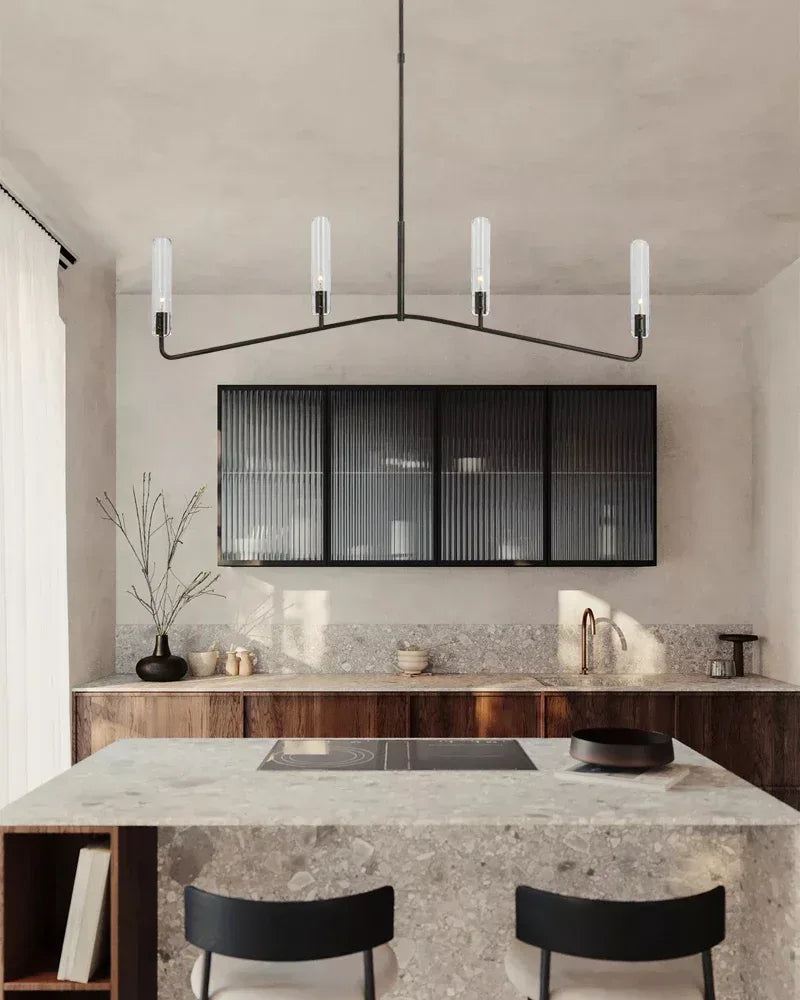


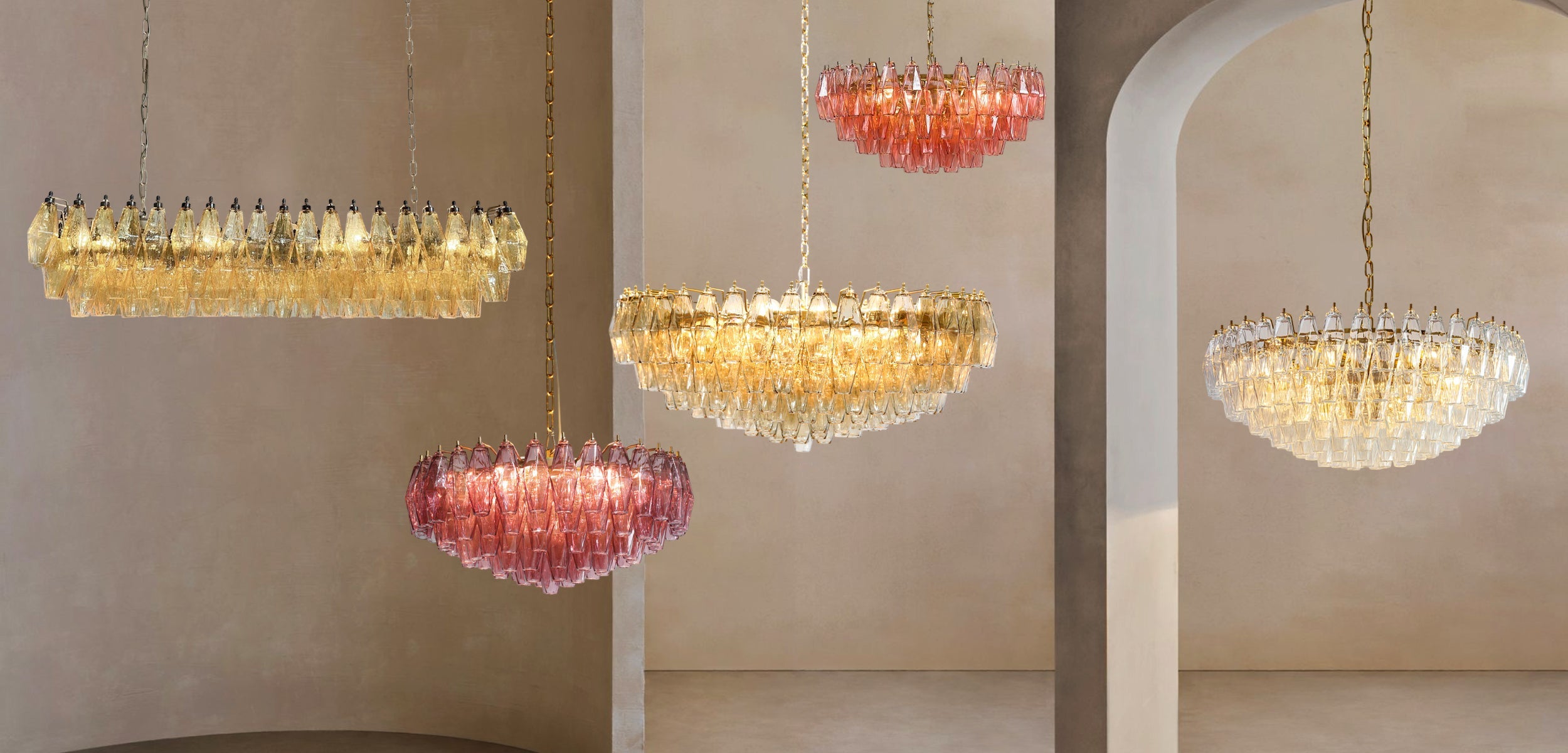
Affordable crystal chandeliers with free shipping in the US
Elevating an interior volume requires a precise balance of luminance and refraction, often achieved through the strategic deployment of crystal fixtures that act as both light sources and prismatic sculptures. While sourcing high-fidelity lighting often entails prohibitive logistics costs due to the fragility and weight of the materials, modern supply chains now allow for the acquisition of precision-cut crystal chandeliers with optimized shipping protocols within the United States.

How We Selected the Best Affordable crystal chandeliers with free shipping in the US
Our curation methodology relies on a rigorous analysis of material composition, specifically the lead oxide content or optical clarity of the crystal elements, to ensure maximum light dispersion and chromatic separation. We evaluated the structural integrity of the fixtures, focusing on the gauge of the metal chassis and the durability of the electroplated finishes to resist oxidation over time. Furthermore, we verified that the domestic logistics partners associated with these units provide seamless, cost-free delivery, ensuring that the complex assemblies arrive without mechanical compromise or micro-fractures in the crystal lattice.
The Physics of Refraction: Analyzing K9 and Lead Crystal Composition
When evaluating affordable crystal chandeliers, the primary metric of performance is the refractive index of the suspended elements. High-end lighting relies on the physics of dispersion, where white light is separated into its spectral components. In the affordable segment, K9 crystal (optical borosilicate crown glass) has emerged as the industry standard for high-fidelity light fixtures. Unlike traditional leaded crystal, which relies on lead oxide to increase density and refraction, K9 glass offers high optical clarity, low inclusion rates, and a refractive index that closely mimics premium alternatives without the associated weight or toxicity concerns.
The manufacturing process of these crystals involves precision machine cutting followed by mechanical polishing. This ensures that the facets are sharp and angular, maximizing the internal reflection of light emitted from the central bulbs. When selecting a fixture, one must inspect the cut consistency; inferior molding results in rounded edges that dull the sparkle, whereas precision-cut K9 crystal creates a crisp, glittering effect known as "fire." The chandeliers selected for this analysis utilize crystals that have been optimized for high light transmission, ensuring that the lumen output of the light source is amplified rather than absorbed by the medium.
Chassis Construction and Electroplated Finishes
The structural backbone of any chandelier is its chassis, which must support the significant static load of the crystal strands while maintaining electrical continuity. In the affordable luxury sector, the frame is typically constructed from mild steel or aluminum alloys, treated with advanced surface finishing techniques. The most durable finishes utilize electroplating rather than simple powder coating. Electroplating bonds a thin layer of chrome, nickel, or brass to the base metal at a molecular level, providing superior resistance to corrosion and environmental humidity.
For gold or brass-toned fixtures, look for "electrophoretic lacquering" or PVD (Physical Vapor Deposition) coatings. These processes ensure a uniform, hard-wearing surface that resists tarnishing and maintains its specularity for years. The mechanical assembly of the arms and central column is equally critical; threaded connections should be machined with tight tolerances to prevent sagging. A well-engineered chassis not only supports the aesthetic elements but also acts as a heat sink, dissipating thermal energy generated by the sockets, thereby prolonging the operational lifespan of the wiring harness.
Luminous Flux and Color Temperature Compatibility
The visual impact of a crystal chandelier is inextricably linked to the quality of the light source driving it. These fixtures act as diffusers and multipliers; therefore, the bulb selection is a technical decision rather than an afterthought. Most affordable chandeliers utilize E12 (candelabra) or E14 bases. To maximize the refractive potential of the crystals, clear-glass LED filament bulbs are superior to frosted variants. Clear glass allows for a point-source effect, creating sharper shadows and more intense spectral dispersion through the crystals.
Color temperature (CCT) plays a pivotal role in the final aesthetic. For crystal, a CCT between 2700K and 3000K (Warm White) is generally preferred as it enhances the gold or warm tones of the metal finish and creates a welcoming ambience. However, for modern chrome fixtures, a 4000K (Neutral White) source can emphasize the icy, clean lines of the design. It is also imperative to verify the dimming protocol. The fixture’s internal wiring must be compatible with standard TRIAC or ELV dimmers to allow for the modulation of luminous flux, transforming the fixture from a high-output general light source to a low-level ambient feature.
Spatial Integration: Calculating Suspension Height and Diameter
Integrating a chandelier into an architectural volume requires precise dimensional calculations to ensure visual harmony and functional clearance. The scale of the fixture should be proportional to the room's dimensions. A standard technical formula for diameter involves adding the length and width of the room in feet and converting that sum to inches. For example, a 12x14 foot room would theoretically accommodate a 26-inch diameter fixture. However, when dealing with the visual density of crystal, one might opt for a slightly smaller diameter to prevent the space from feeling cluttered.
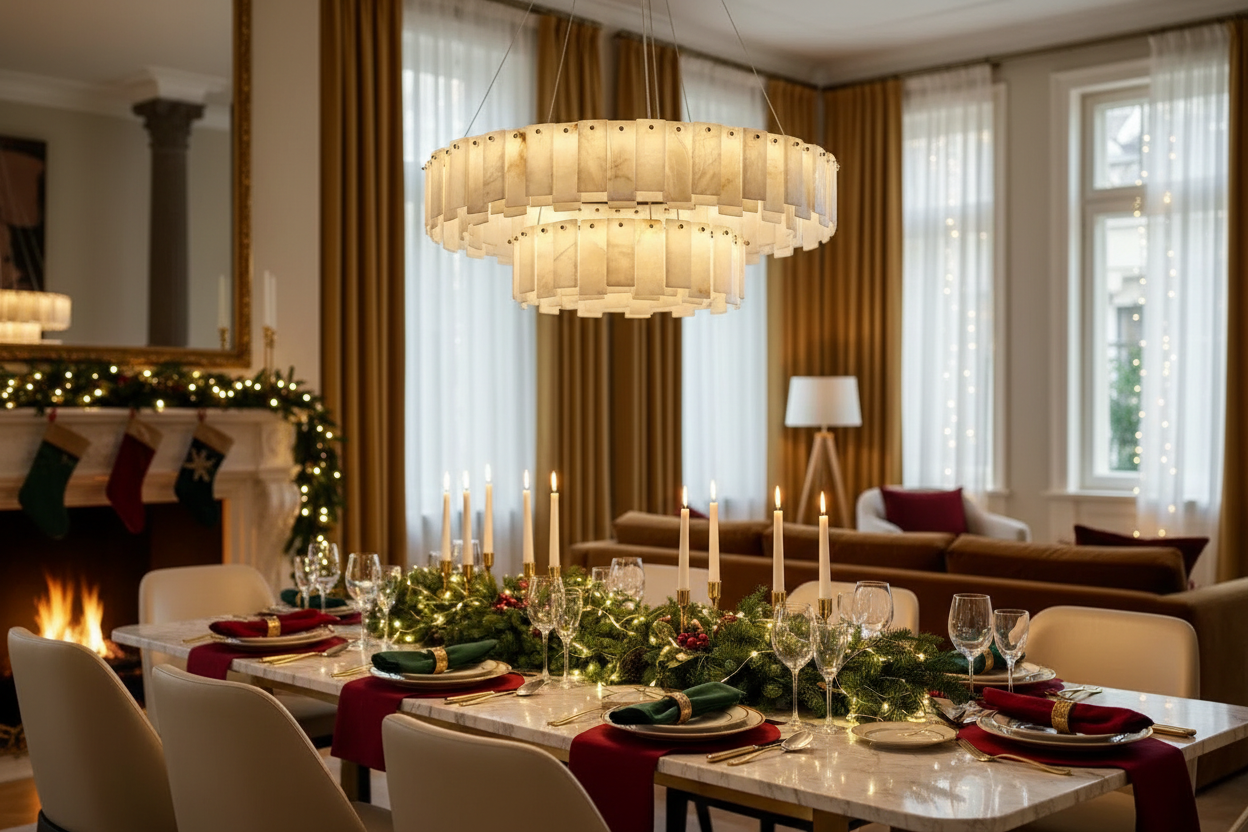
Vertical positioning is equally critical. Over a dining surface, the bottom crystal finial should hang approximately 30 to 36 inches above the table top. This clearance preserves sightlines while maintaining the fixture within the intimate zone of the dining experience. In open foyers or living areas, a minimum clearance of 7 feet from the floor is mandatory for pedestrian safety. The suspension system—typically a chain or cable—must be adjustable. High-quality affordable units provide ample chain length (often 39 inches or more) and include quick-links for easy modification without the need for specialized tools or wire cutting.
Installation Protocols and Structural Reinforcement
The installation of a crystal chandelier is a procedure that demands adherence to strict electrical and structural safety codes. Due to the aggregate weight of the crystal elements, the standard plastic junction box found in many residential ceilings is often insufficient. It is mandatory to verify that the ceiling electrical box is rated for the specific weight of the fixture. For chandeliers exceeding 50 pounds, a fan-brace box or independent structural support attached directly to a ceiling joist is required to prevent catastrophic failure.
The wiring process involves connecting the fixture’s leads to the mains supply, typically requiring the identification of the "hot" (smooth or black) and "neutral" (ribbed or white) wires. Grounding is non-negotiable for metal fixtures to prevent shock hazards. Furthermore, the dressing of the chandelier—the process of attaching the crystal strands—should always be performed after the frame has been mechanically secured and wired. This reduces the weight during the overhead installation phase and prevents accidental damage to the delicate glass components. Professional installers often wear white cotton gloves during this phase to prevent skin oils from etching or clouding the crystal surfaces.
What to Look for When Buying
- Crystal Grade Specification: Verify if the material is K9 optical glass or standard soda-lime glass; K9 offers superior refractive indices and clarity.
- Socket Configuration and Load: Check the maximum wattage per socket and ensure the total wattage does not exceed the circuit capacity, especially when using incandescent bulbs.
- Suspension Flexibility: Ensure the fixture includes an adjustable chain or cable system with a canopy that can accommodate sloped ceilings if necessary.
- Certification Standards: Look for UL (Underwriters Laboratories) or ETL listings to ensure the electrical components meet rigorous US safety standards.
- Spare Parts Availability: Confirm that the manufacturer includes extra crystal strands or pins, as these components are prone to damage during shipping or installation.
Frequently Asked Questions
How do I maintain the optical clarity of the crystals over time?
To maintain peak refractive performance, crystals should be cleaned annually. The preferred technical method involves an ultrasonic cleaner for detachable strands or a spray-on, drip-dry crystal cleaner for fixed elements. Avoid abrasive cloths; use microfiber to polish the facets. Ensure the fixture is powered off and cool before applying any liquid solutions to prevent thermal shock or electrical shorts.
Can these fixtures be used with smart lighting ecosystems?
Yes, provided the socket base (E12, E26, etc.) is standard. Smart bulbs can be installed to allow for voice control, color tuning, and scheduling. However, one must verify that the physical dimensions of the smart bulb fit within the crystal cage or shade, as smart bulbs often have larger heat sinks than standard LED filaments.
What happens if crystals arrive broken despite the free shipping?
Reputable suppliers of affordable lighting anticipate a certain percentage of attrition during logistics. Consequently, most units are shipped with a supplementary packet of replacement crystals and connectors. If damage exceeds the spares provided, immediate documentation (photography) and communication with the vendor usually result in the expedited dispatch of replacement components under the warranty terms.
Conclusion
The democratization of manufacturing technology has made high-performance crystal chandeliers accessible without compromising on the fundamental physics of light refraction. By prioritizing K9 glass composition, robust metal plating, and verified electrical safety certifications, homeowners can secure fixtures that offer the visual gravity of heritage pieces. With the added benefit of optimized domestic shipping, the barrier to entry for luxury illumination has been significantly lowered, allowing for a sophisticated upgrade to residential lighting schemes.


发表评论
此站点受 hCaptcha 保护,并且 hCaptcha 隐私政策和服务条款适用。