
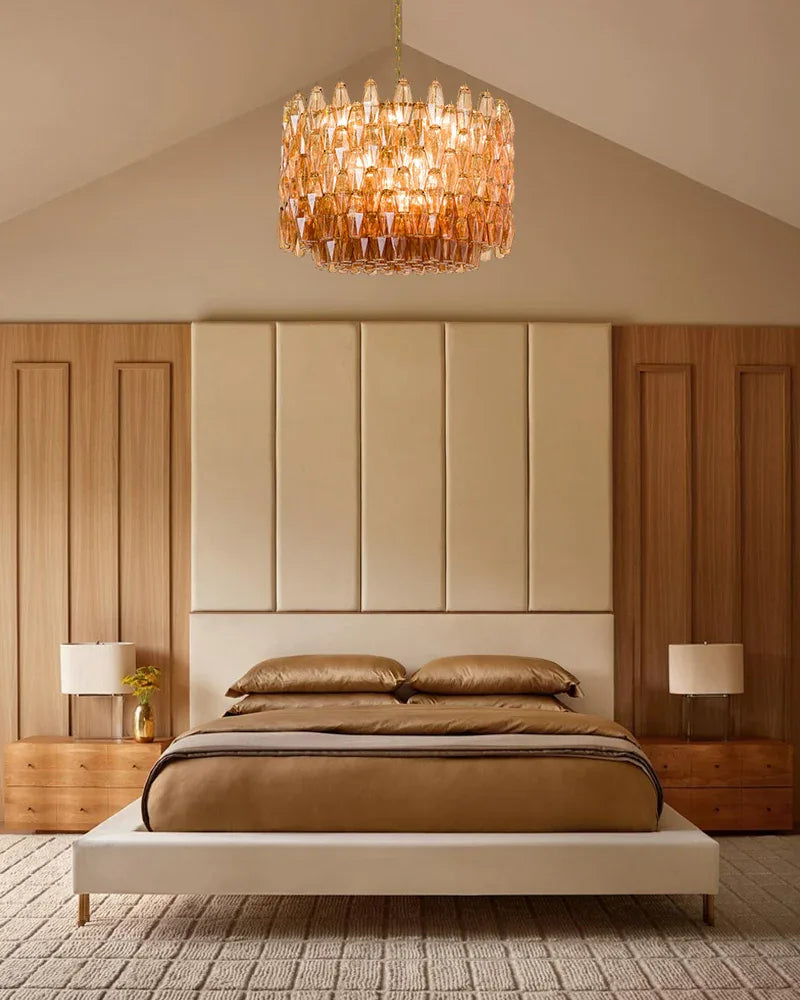
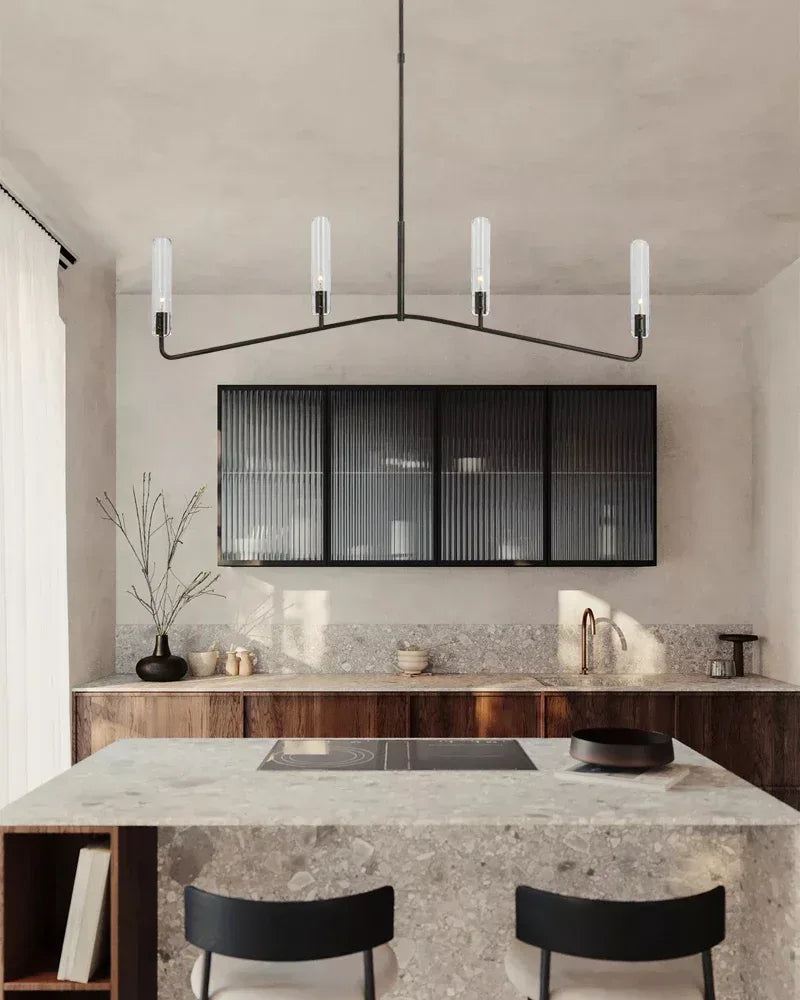
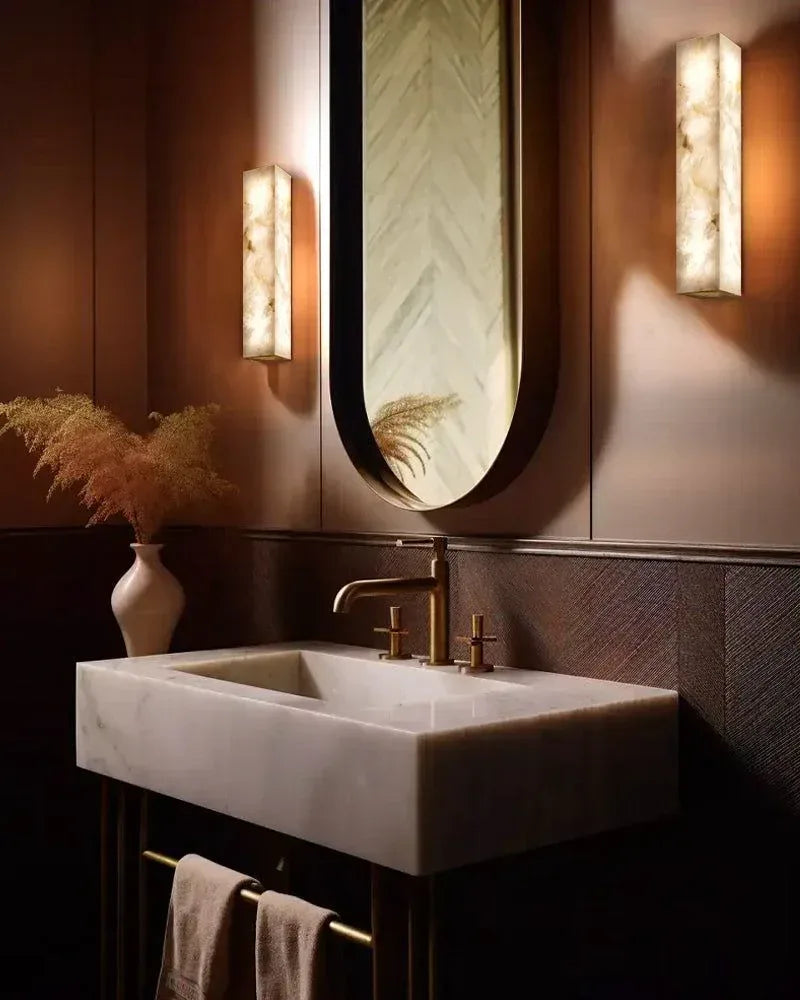

Top-rated chandelier brands for modern homes
In the realm of contemporary interior architecture, the selection of a central lighting fixture is not merely a decorative choice but a critical engineering decision that dictates the spatial volume and atmospheric tone of a room. Identifying the top-rated chandelier brands for modern homes requires a discerning eye for material integrity, precise photometric performance, and the seamless integration of advanced LED technologies within sculptural forms. The following analysis dissects the technical specifications and design philosophies that distinguish market-leading manufacturers from generic producers.
How We Selected the Best Top-rated chandelier brands for modern homes
Our methodology for isolating the premier manufacturers in the modern lighting sector is grounded in rigorous technical evaluation rather than subjective aesthetics alone. We prioritized brands that demonstrate a mastery of thermal management in integrated LED systems, ensuring that diode lifespan is not compromised by poor heat dissipation designs. Furthermore, our selection criteria heavily weighed the Color Rendering Index (CRI) capabilities of the fixtures, accepting only those that offer a CRI of 90 or above to ensure true-to-life color representation within the built environment. We also scrutinized the mechanical engineering of suspension systems, looking for robust aircraft cable mechanisms, reinforced canopies, and compatibility with standard North American junction boxes. Finally, the adaptability of the drivers—specifically their compatibility with TRIAC, ELV (Electronic Low Voltage), and 0-10V dimming protocols—was a decisive factor in determining which brands offer the requisite versatility for modern smart home integration.
The Intersection of Minimalist Form and Luminous Efficacy
The hallmark of a top-rated modern chandelier brand is the ability to achieve high luminous efficacy without compromising the minimalist silhouette that defines the genre. Leading manufacturers in this space utilize Chip-on-Board (COB) LED technology, which allows for a high-density light output from a compact surface area. This technological approach enables designers to create ultra-thin profiles and linear suspension fixtures that would be impossible with traditional incandescent or Edison-base socket configurations.
When evaluating these brands, one observes a distinct focus on the diffusion materials used to mitigate glare. Premium brands employ optical-grade acrylics or etched glass diffusers that homogenize the light output, eliminating the "hot spots" often visible in inferior LED tape applications. The result is a continuous, fluid line of light that serves as both a functional illuminator and an architectural element. These fixtures often feature modular components, allowing for customizable configurations that can be scaled to match the cubic footage of a foyer or the linear dimensions of a dining table.
Materiality: The Science of Metals and Glass in Modern Lighting
The longevity and visual weight of a chandelier are directly correlated to the raw materials utilized during fabrication. Top-tier brands distinguish themselves through the use of solid brass, anodized aluminum, and surgical-grade stainless steel, rejecting the stamped, plated steel often found in mass-market alternatives. In the context of modern design, the finish is as critical as the substrate; brands leading the market utilize powder-coating techniques and electroplating processes that resist oxidation and fingerprinting, ensuring the fixture maintains its pristine aesthetic over decades of use.
Regarding translucent elements, the distinction between standard glass and optical crystal is profound. High-end manufacturers source hand-blown borosilicate glass or K9 crystal with specific refractive indices designed to manipulate light paths intentionally. This attention to material science ensures that the light is not just emitted but sculpted, creating caustic patterns and ambient glows that enhance the surrounding architecture. Whether utilizing smoked glass to reduce glare or prismatic crystal to maximize dispersion, the material choice is always a calculated engineering decision aimed at optimizing photometric distribution.
Advanced Driver Technology and Dimming Compatibility
A modern chandelier is only as reliable as the driver that powers it. The most respected brands in the industry engineer their fixtures with high-performance drivers that ensure flicker-free operation, even at low dimming levels. This is particularly pertinent in modern homes equipped with sophisticated lighting control systems such as Lutron, Crestron, or Control4. Inferior drivers often exhibit "pop-on" behavior or audible buzzing when dimmed, whereas top-rated brands utilize constant-current drivers with pulse-width modulation (PWM) to provide smooth, logarithmic dimming curves down to 1%.
Furthermore, the physical placement of the driver is a key consideration in modern fixture design. Many top-rated brands offer remote driver options, allowing the canopy to remain sleek and unobtrusive while the bulky power supply is located in a remote utility closet or ceiling access panel. This separation of components not only aids in achieving a cleaner aesthetic but also facilitates easier maintenance and thermal isolation, preventing heat buildup at the ceiling level which can degrade electronic components over time.
Structural Suspension and Installation Protocols
The installation mechanics of a chandelier are a testament to the manufacturer's engineering prowess. Superior brands design suspension systems that accommodate the irregularities of real-world construction, offering self-leveling mechanisms and tool-free height adjustment capabilities. For heavy, multi-tier fixtures, the inclusion of safety cables and reinforced mounting brackets is mandatory to meet static load requirements. We observe that top-rated brands provide detailed schematics and templates to aid the electrical contractor, ensuring that the rough-in phase aligns perfectly with the final fixture placement.
In the realm of modern aesthetics, the "power-over-cable" technology is a significant innovation adopted by leading brands. This engineering feat eliminates the need for a separate, unsightly power cord by transmitting low-voltage electricity directly through the suspension cables. This results in a floating appearance where the fixture seems to defy gravity, tethered only by the thin, structural aircraft cables. Achieving this requires precise insulation and conductivity engineering to ensure safety and performance, a standard that only the most advanced manufacturers can guarantee.
Tunable White and Human-Centric Lighting Features
As residential lighting evolves towards human-centric design, top-rated chandelier brands are integrating tunable white technology into their flagship models. This feature allows the user to adjust the Color Correlated Temperature (CCT) of the light source, shifting from a warm, candle-like 2200K in the evening to a crisp, energizing 4000K during the day. This capability aligns the artificial lighting environment with the body's circadian rhythm, promoting wellness and visual comfort.
Implementing tunable white requires complex dual-channel LED arrays and sophisticated controllers. Premium brands ensure that as the color temperature shifts, the Color Rendering Index (CRI) remains stable, preventing the "muddy" or washed-out appearance that can occur with cheaper variable-CCT fixtures. This level of control transforms the chandelier from a static object into a dynamic participant in the home's daily rhythm, offering functional versatility that adapts to tasks ranging from intimate dining to home office productivity.
What to Look for When Buying
- Color Rendering Index (CRI): Ensure the fixture boasts a CRI of 90+ (R9 > 50) to guarantee that finishes, food, and skin tones are rendered accurately without spectral distortion.
- Lumen Output vs. Wattage: Focus on delivered lumens rather than wattage to assess brightness; a modern dining fixture should generally deliver between 2000 to 4000 lumens depending on room size.
- Dimming Protocol: Verify compatibility with your home's switch architecture; determine if the fixture requires ELV, TRIAC, or 0-10V wiring to function correctly.
- Thermal Management: Look for fixtures with integrated heat sinks or aluminum core PCBs, which are essential for maintaining LED longevity and preventing color shift over time.
- Adjustability and Scale: Confirm that the suspension length is field-adjustable and that the fixture's diameter is appropriate for the room volume (typically sum of room length and width in feet equals fixture diameter in inches).
Frequently Asked Questions
Can integrated LED chandeliers be repaired if the light source fails?
While integrated LED fixtures are designed for lifespans exceeding 50,000 hours, component failure is a possibility. In top-rated brands, the LED boards and drivers are often modular and replaceable by a qualified electrician. Unlike disposable fixtures, premium manufacturers maintain an inventory of replacement components, ensuring the chassis of the chandelier can be serviced rather than discarded.
How does ceiling height impact the selection of a modern chandelier?
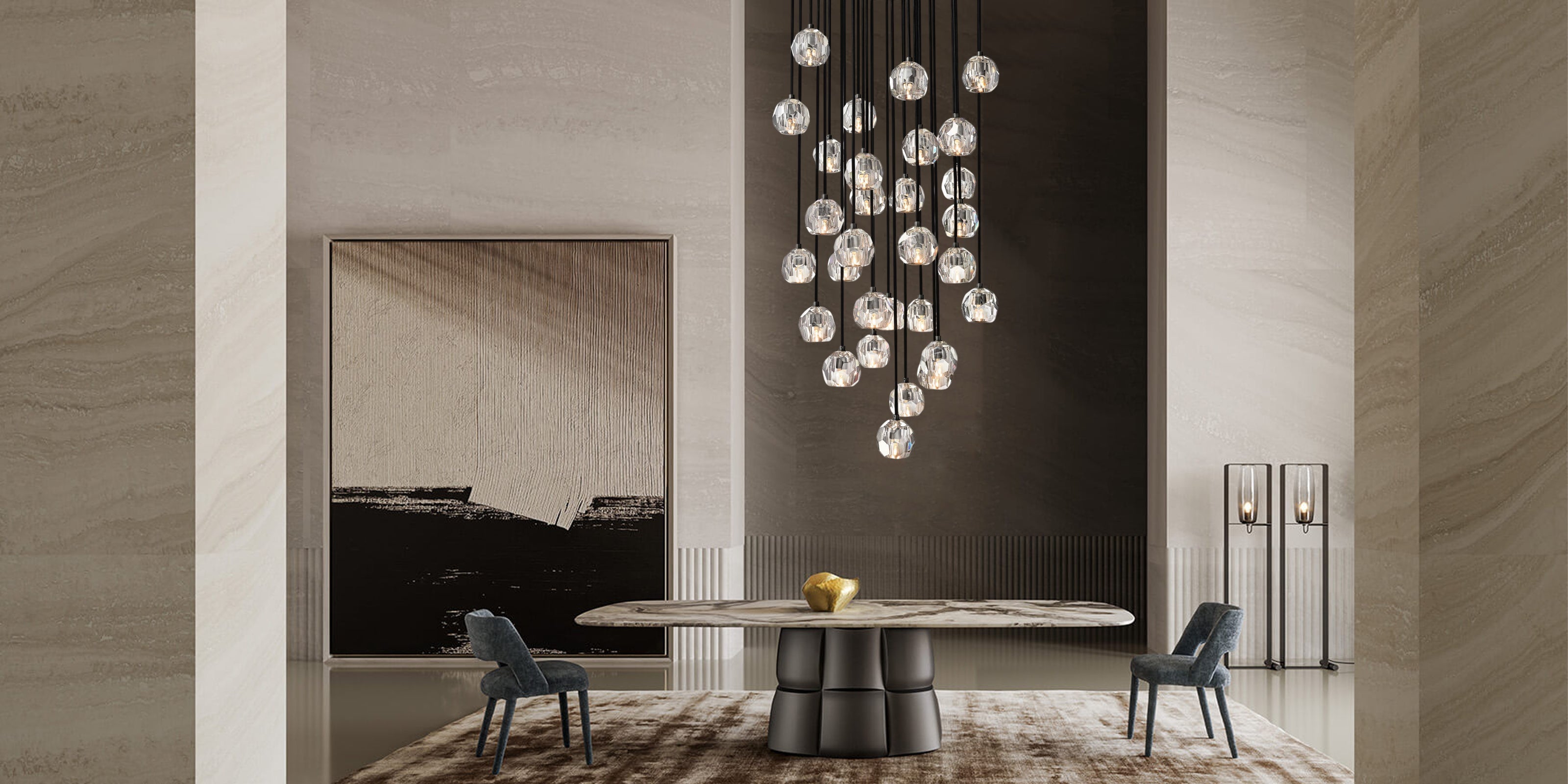
Ceiling height dictates both the scale and the suspension method of the fixture. For ceilings exceeding nine feet, multi-tier or vertical designs fill the vertical volume effectively. It is critical to calculate the suspension drop so the bottom of the fixture sits approximately 30 to 36 inches above a dining table, or at least 7 feet above the floor in transit areas. Brands offering custom cable lengths or telescoping stems are essential for high-ceiling applications.
What is the difference between damp-rated and dry-rated chandeliers?
This distinction refers to the fixture's Ingress Protection (IP) rating and UL listing. Dry-rated fixtures are suitable only for indoor areas free from moisture accumulation, such as living rooms and dining rooms. Damp-rated fixtures feature sealed components and corrosion-resistant materials, making them suitable for bathrooms or covered patios where condensation may occur. Installing a dry-rated fixture in a damp environment can lead to premature finish failure and electrical shorts.
Conclusion
Selecting from the top-rated chandelier brands for modern homes is an investment in architectural permanence and optical precision. By prioritizing engineering standards—such as high CRI, robust thermal management, and sophisticated dimming capabilities—homeowners ensure that their lighting fixtures provide not just illumination, but a refined visual experience that enhances the modern dwelling. As technology advances, the convergence of sculptural art and solid-state lighting performance will continue to define the trajectory of high-end residential design.


发表评论
此站点受 hCaptcha 保护,并且 hCaptcha 隐私政策和服务条款适用。