
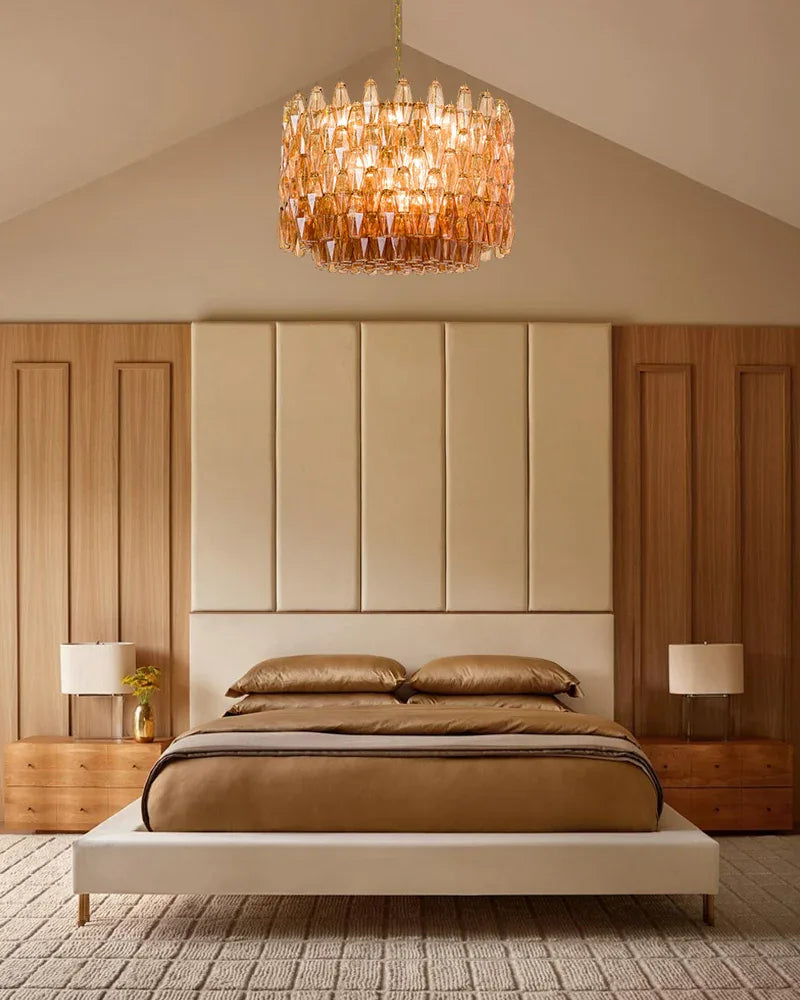
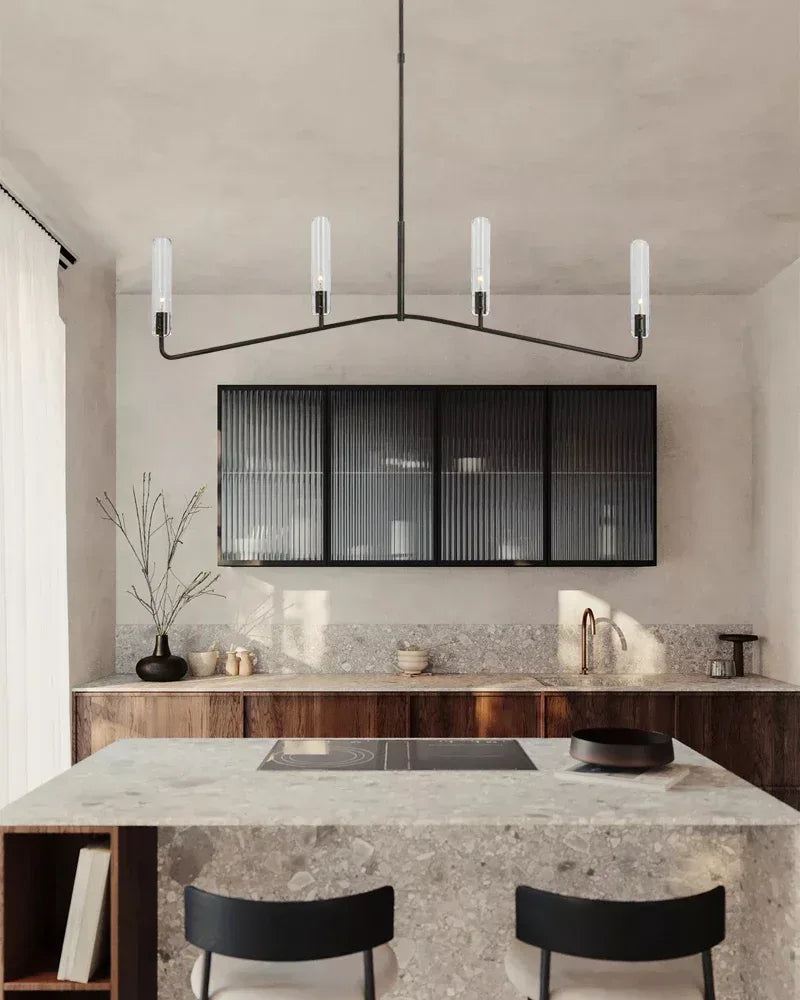
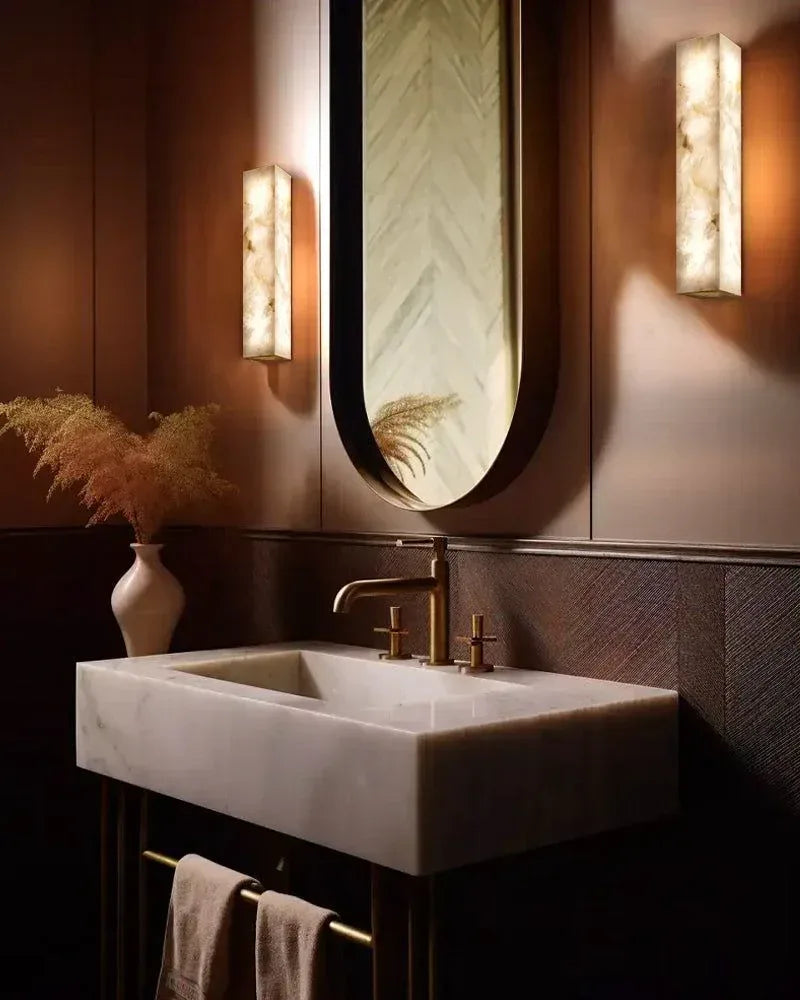
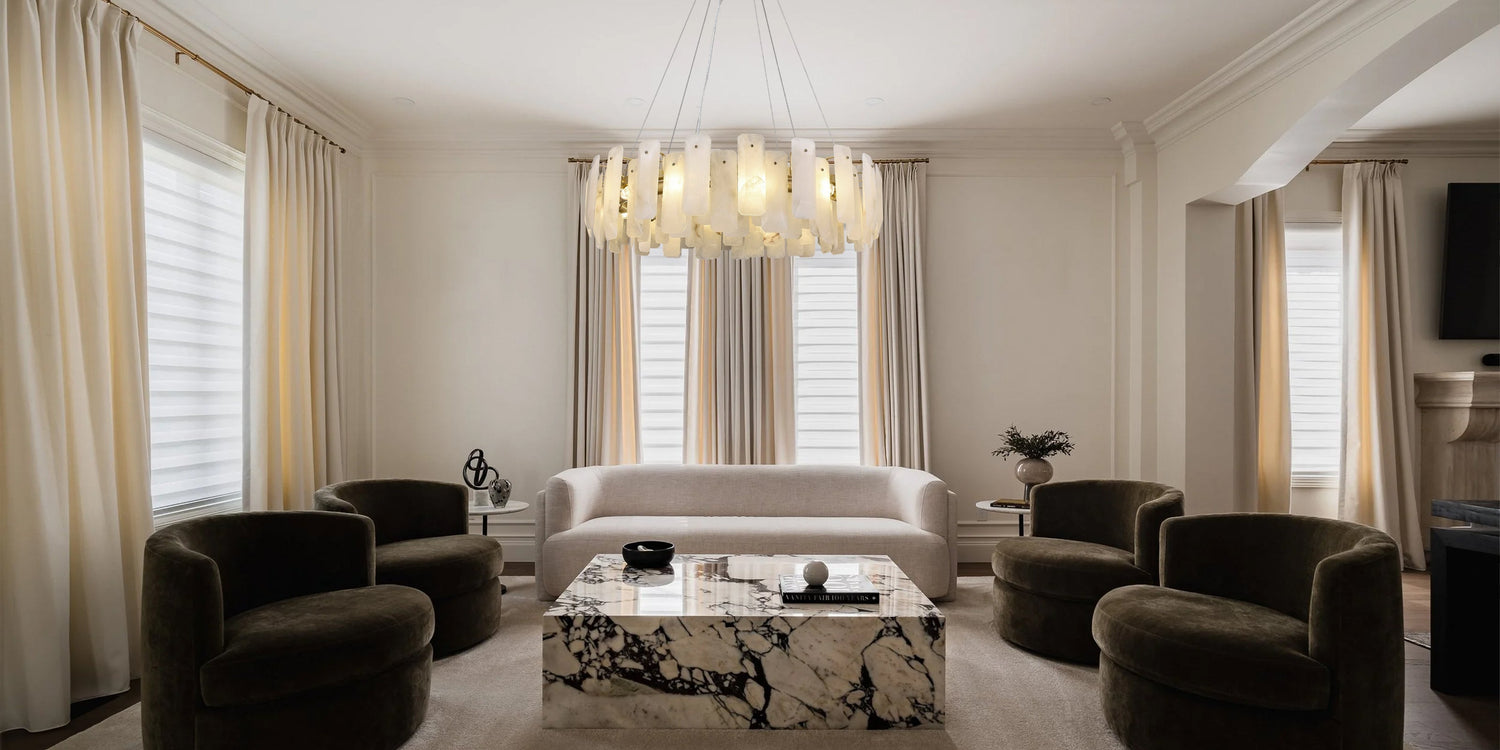
chandeliers for living room
The integration of a central luminaire within a primary living space requires a rigorous assessment of spatial dynamics, photometric requirements, and architectural compatibility. Selecting the appropriate fixture involves balancing structural scale with specific lumen output targets to achieve a sophisticated lighting profile that serves both ambient and accent functions.
How We Selected the Best chandeliers for living room
Our selection methodology for living room illumination is grounded in technical performance metrics and material integrity. We prioritized fixtures that demonstrate superior Color Rendering Index (CRI) values, ensuring that the spectral distribution of light accurately reveals the pigments in textiles, art, and finishes. Furthermore, we analyzed the thermal management systems of integrated LED components to predict longevity and lumen maintenance over time. Structural assessment included a review of suspension mechanisms, tensile strength of downrods and chains, and the quality of electroplated or powder-coated finishes. Only luminaires meeting strict safety certifications (UL, ETL, or CE) and offering compatibility with modern phase-cut or 0-10V dimming protocols were considered for this technical overview.
Material Composition and Refractive Properties
The visual impact and longevity of chandeliers for living room applications are dictated by the base materials employed in their construction. High-fidelity manufacturing often utilizes solid brass or high-grade stainless steel as the substrate, providing resistance to oxidation and ensuring structural rigidity. In contrast to stamped sheet metal, machined components offer tighter tolerances for joinery, resulting in a fixture that hangs plumb and resists vibration.
When analyzing translucent elements, the distinction between glass types is critical for light diffusion. Hand-blown borosilicate glass offers high thermal resistance and optical clarity, while leaded crystal maximizes refractive indices to split white light into its spectral components. For modern applications, optical-grade acrylics are increasingly utilized to guide light in complex geometries that traditional glass cannot achieve. The choice of diffuser material directly influences the Unified Glare Rating (UGR), determining visual comfort by softening the high-intensity output of the diode or filament source.
Photometric Performance and Color Temperature
Beyond the physical chassis, the core function of a chandelier is defined by its photometric output. For a living room environment, the target illuminance typically falls between 10 and 20 foot-candles, depending on the supplementary lighting layers present. We evaluated fixtures based on their luminous efficacy—measured in lumens per watt—to ensure energy efficiency without compromising brightness. The distribution of light is equally vital; omnidirectional arrays provide general ambient fill, while shaded or directed sources create dramatic contrast.
Correlated Color Temperature (CCT) plays a pivotal role in setting the atmospheric tone. We recommend fixtures that operate within the 2700K to 3000K range for residential living spaces. This warm-white spectrum mimics the characteristics of incandescent filaments, promoting relaxation and circadian alignment in the evening. Advanced fixtures featuring "dim-to-warm" technology were given preference, as they shift the chromaticity towards a warmer amber hue (2200K) as the current is reduced, replicating the behavior of traditional tungsten sources.
Structural Suspension and Load Distribution
The installation of substantial chandeliers for living room environments necessitates a thorough understanding of structural load paths. Fixtures exceeding 50 pounds require independent support systems that bypass standard electrical junction boxes, anchoring directly into the ceiling joists or blocking. We examined the suspension hardware of various models, favoring systems that utilize aircraft-grade steel cables or threaded rigid stems over purely decorative chains for modern aesthetics.
For spaces with vaulted or cathedral ceilings, the adaptability of the suspension system is paramount. Swivel canopies capable of accommodating slopes up to 45 degrees ensure the fixture remains perpendicular to the floor regardless of the ceiling pitch. Furthermore, the ease of height adjustment during installation—whether through telescoping rods or quick-link chains—was a key factor in our technical evaluation, as precise positioning is required to maintain appropriate clearance and visual proportion.
Scale, Proportion, and Spatial Integration
Determining the correct dimensions for a chandelier involves specific architectural formulas rather than estimation. A standard heuristic for diameter calculation involves adding the length and width of the room in feet and converting that sum to inches. However, vertical scale is equally critical; for ceilings higher than eight feet, we recommend adding three inches of fixture height for every additional foot of ceiling elevation. This ensures the luminaire occupies the appropriate volume within the void, preventing it from appearing diminutive in expansive layouts.
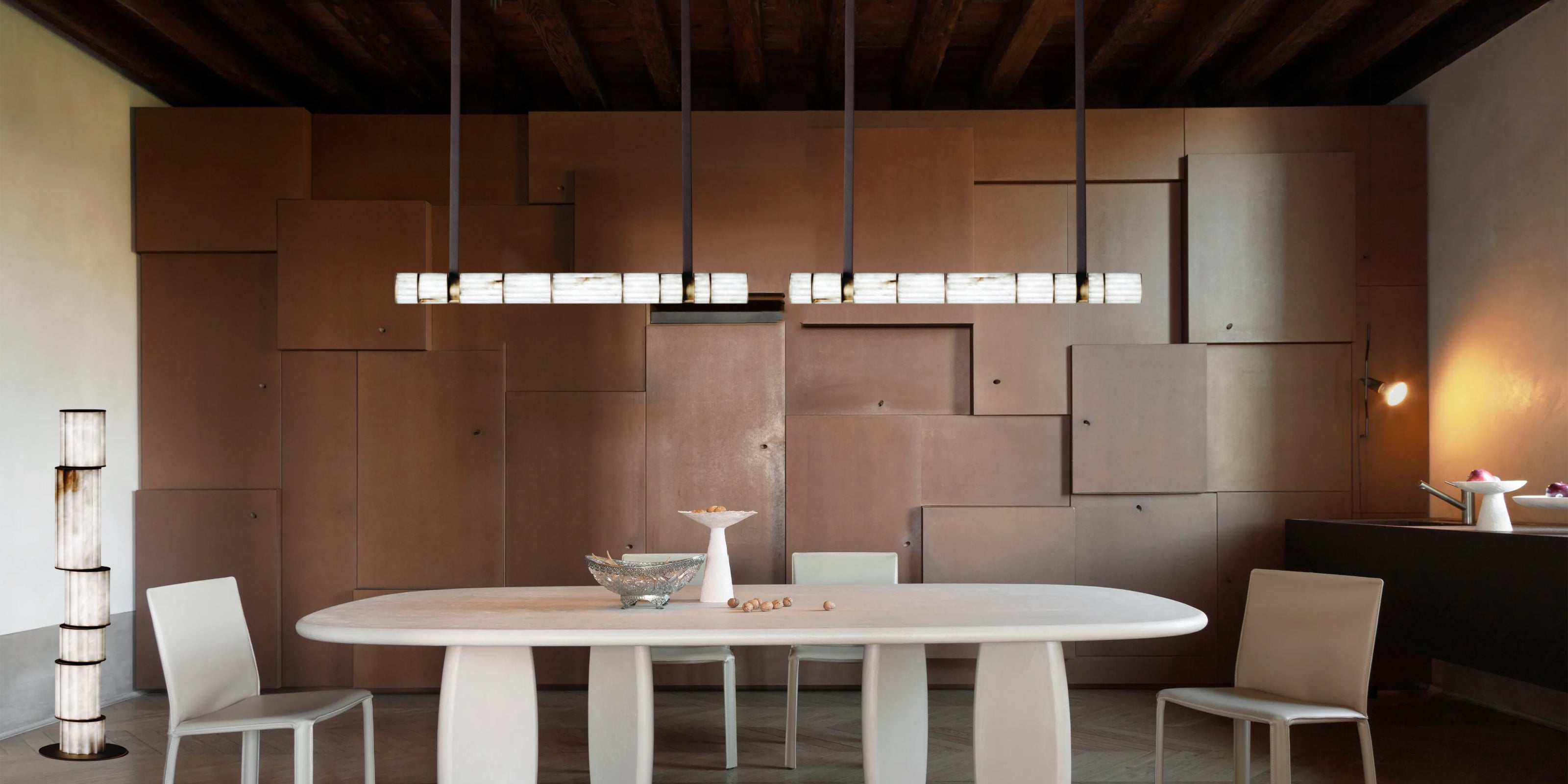
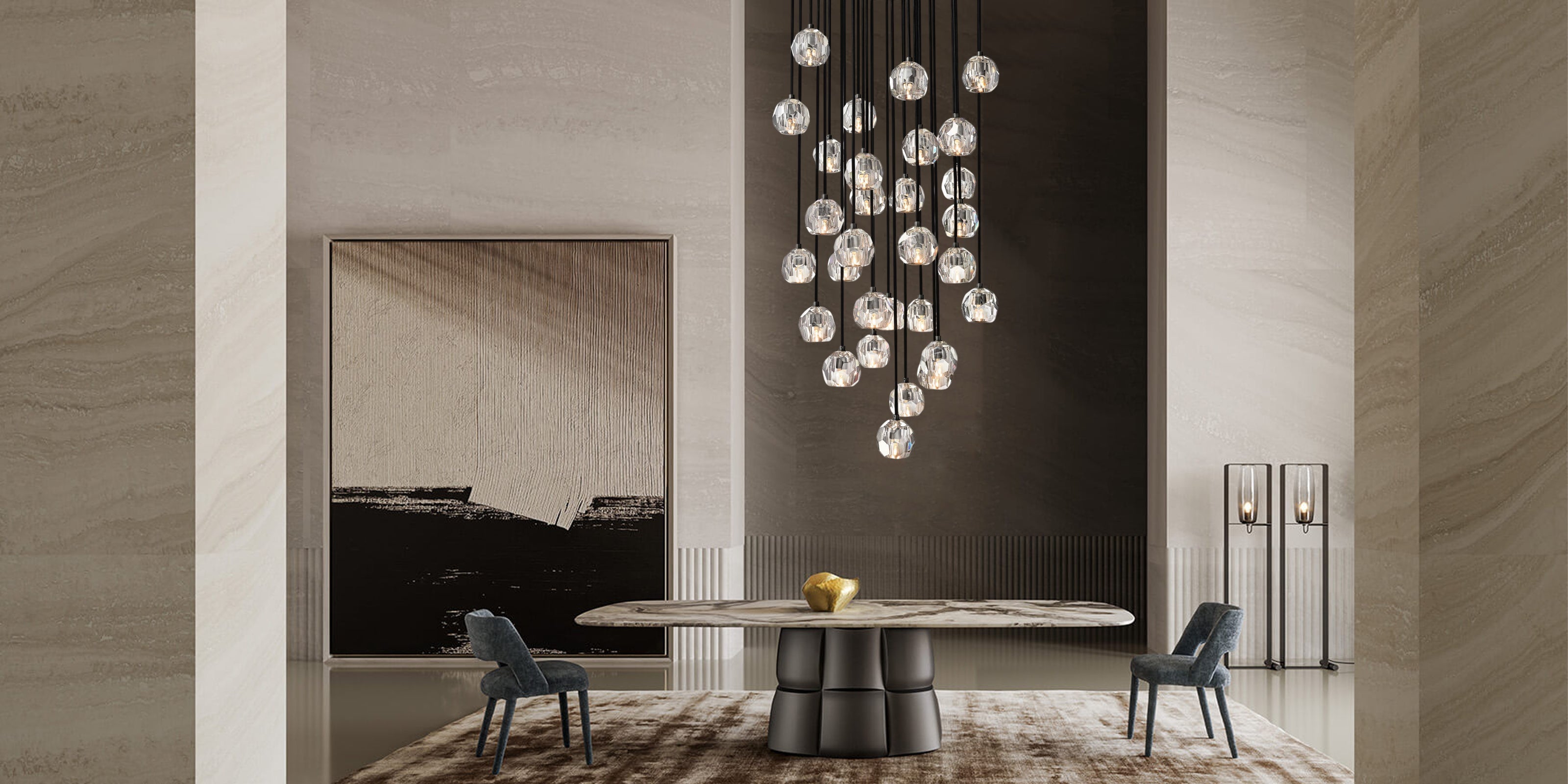
In open-concept floor plans, the chandelier serves as a visual anchor, defining the living zone distinct from dining or circulation areas. The interplay between the fixture’s mass and the surrounding negative space dictates the visual weight. Open-frame or linear designs are often preferred in smaller rooms to preserve sightlines, while dense, multi-tiered fixtures are reserved for double-height volumes where vertical fill is necessary to bridge the gap between the human scale and the architectural envelope.
Dimming Compatibility and Driver Technology
Modern lighting design relies heavily on the ability to modulate intensity. The technical compatibility between the chandelier’s driver (for LEDs) or transformer (for low-voltage systems) and the wall control switch is a frequent point of failure. We analyzed fixtures for their compatibility with TRIAC (forward-phase), ELV (reverse-phase), and 0-10V dimming standards. High-quality drivers incorporate pulse-width modulation (PWM) or constant current reduction (CCR) to ensure flicker-free dimming down to 1%.
The issue of audible noise, often caused by magnetostriction in cheaper transformers, was also a criterion. Premium fixtures utilize potted drivers or toroidal transformers to dampen vibration and eliminate hum. For smart home integration, we looked for fixtures compatible with Lutron, Crestron, or Control4 ecosystems, allowing the chandelier to become a node in a larger automated lighting scene.
What to Look for When Buying
- Safety Certification: Verify the fixture carries a UL, ETL, or CSA listing, specifically checking if it is rated for dry or damp locations depending on proximity to humidity sources.
- Lumen Output vs. Wattage: Focus on total lumens rather than wattage to gauge brightness; aim for approximately 1,500 to 3,000 lumens for a central living room fixture.
- CRI Specifications: Ensure the light source has a Color Rendering Index (CRI) of 90 or higher to ensure furniture and flooring colors are rendered accurately without a green or grey cast.
- Ceiling Canopy Design: Check the canopy dimensions to ensure it fully covers the electrical junction box and includes necessary reinforcement hardware for heavy loads.
- Thermal Management: For integrated LED fixtures, inspect the design for adequate heat sinking (aluminum fins or housing) to prevent premature diode failure.
Frequently Asked Questions
What is the standard clearance height for a living room chandelier?
The bottom of the chandelier should generally hang at least 7 feet (84 inches) above the finished floor to providing adequate clearance for foot traffic. In rooms with ceilings higher than 8 feet, the fixture can be raised slightly, but keeping it within the visual field is important for aesthetic cohesion. If the fixture is centered over a coffee table, it can be lowered to approximately 60 to 66 inches from the floor to create a more intimate zone, provided it does not obstruct views across the room.
Are integrated LED chandeliers better than replaceable bulb fixtures?
Integrated LED fixtures offer superior design flexibility, allowing for thinner profiles and unique geometries that are impossible with standard screw-in bulbs. They also typically provide better thermal management and optical control. However, if the driver or diode array fails, the entire fixture may need repair or replacement. Fixtures utilizing standard bases (E12, E26) offer easier maintenance and the ability to upgrade bulb technology, but often come with design constraints regarding the size and shape of the socket assembly.
How do I determine if a chandelier requires structural reinforcement?
The National Electrical Code (NEC) generally requires that any fixture weighing more than 50 pounds be supported independently of the outlet box, unless the box is specifically listed and marked for the weight of the fixture. If you are selecting a heavy crystal or solid brass chandelier, you must install a fan brace box or secure the mounting bracket directly to a ceiling joist or structural blocking. Failure to provide adequate structural support can result in catastrophic failure of the electrical box mounting tabs.
Conclusion
Selecting the optimal chandeliers for living room applications is a convergence of engineering constraints and aesthetic intent. By prioritizing high CRI values, appropriate lumen output, and robust material construction, homeowners can secure a fixture that enhances the architectural volume while providing reliable, high-quality illumination. Whether opting for a minimalist linear suspension or a complex multi-tiered array, the technical execution of the installation—specifically regarding load support and dimming compatibility—remains the determining factor in the long-term performance and safety of the lighting system.


发表评论
此站点受 hCaptcha 保护,并且 hCaptcha 隐私政策和服务条款适用。