
chandeliers for dining room tables
The integration of suspended luminance over a dining surface requires a rigorous understanding of spatial geometry, photometric output, and architectural scale. Selecting the appropriate fixture involves balancing the visual weight of the luminaire with the specific refractive qualities of the materials employed to ensure optimal light diffusion. This guide dissects the technical specifications and design protocols necessary for achieving visual comfort and aesthetic cohesion in formal and casual dining environments.
How We Selected the Best chandeliers for dining room tables
Our selection methodology for dining room illumination is grounded in a strict evaluation of engineering quality, material fidelity, and lighting performance. We analyzed fixtures based on their Color Rendering Index (CRI) capabilities, ensuring that the selected luminaires possess the spectral ability to accurately render the colors of cuisine and table settings. Beyond the optical metrics, we scrutinized the structural integrity of the suspension mechanisms, favoring aircraft-grade cabling and reinforced downrods capable of sustaining significant tensile loads. We also evaluated the thermal management systems within integrated LED modules to predict longevity and lumen maintenance over time. Only fixtures demonstrating a synthesis of high-grade materiality—such as solid brass, K9 crystal, or hand-blown borosilicate glass—and superior electrical compliance were considered for this technical overview.
Photometric Performance and Lumen Distribution
When engineering the lighting plan for a dining room, the primary variable is the distribution of lumens relative to the table surface. A chandelier serves a dual function: it must provide sufficient task lighting for the act of dining while simultaneously contributing to the ambient illumination of the room’s upper volume. We prioritize fixtures that offer a controlled beam spread or omnidirectional diffusion to avoid the creation of harsh shadows or "hot spots" on the table.
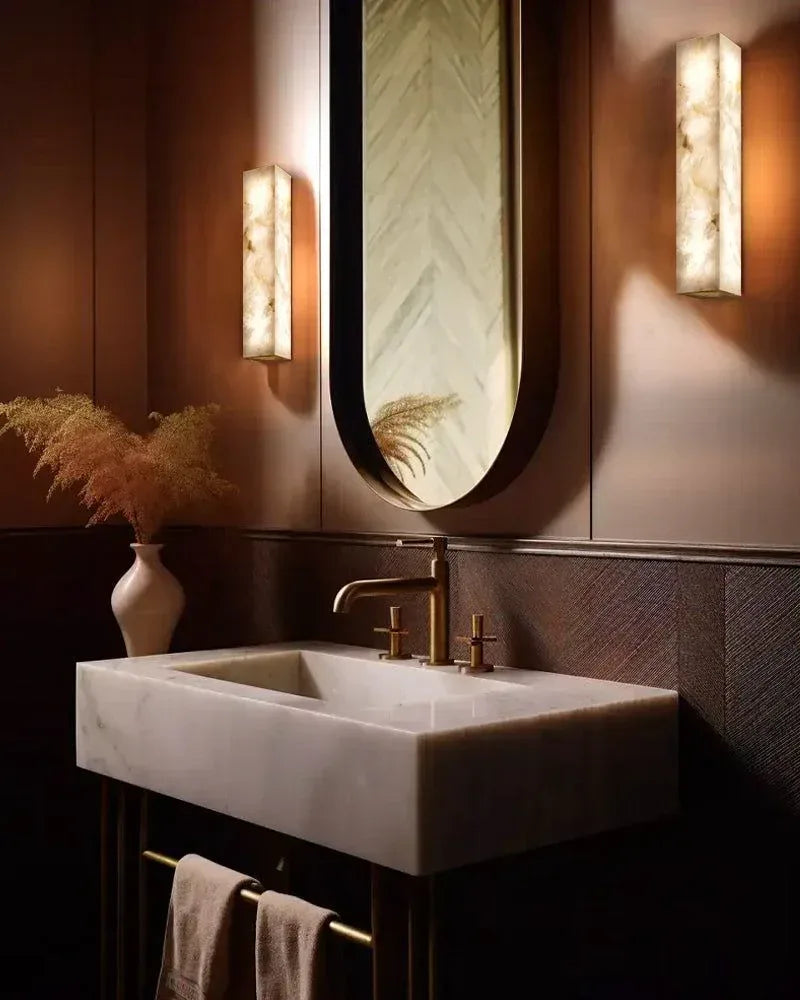
The technical target for a dining surface is typically between 30 and 50 foot-candles (approximately 300 to 500 lux). To achieve this without inducing glare, the light source must be properly shielded or diffused. Chandeliers utilizing exposed bulbs require a lower lumen output per bulb or a dimming protocol to mitigate retinal fatigue. Conversely, fixtures employing linen shades, frosted glass, or alabaster diffusers allow for higher lumen packages by softening the output. We also examine the dimming compatibility of the drivers, specifically looking for compatibility with TRIAC, ELV (Electronic Low Voltage), or 0-10V dimming systems to ensure a flicker-free curve down to 1% intensity.
Materiality and Refractive Indices
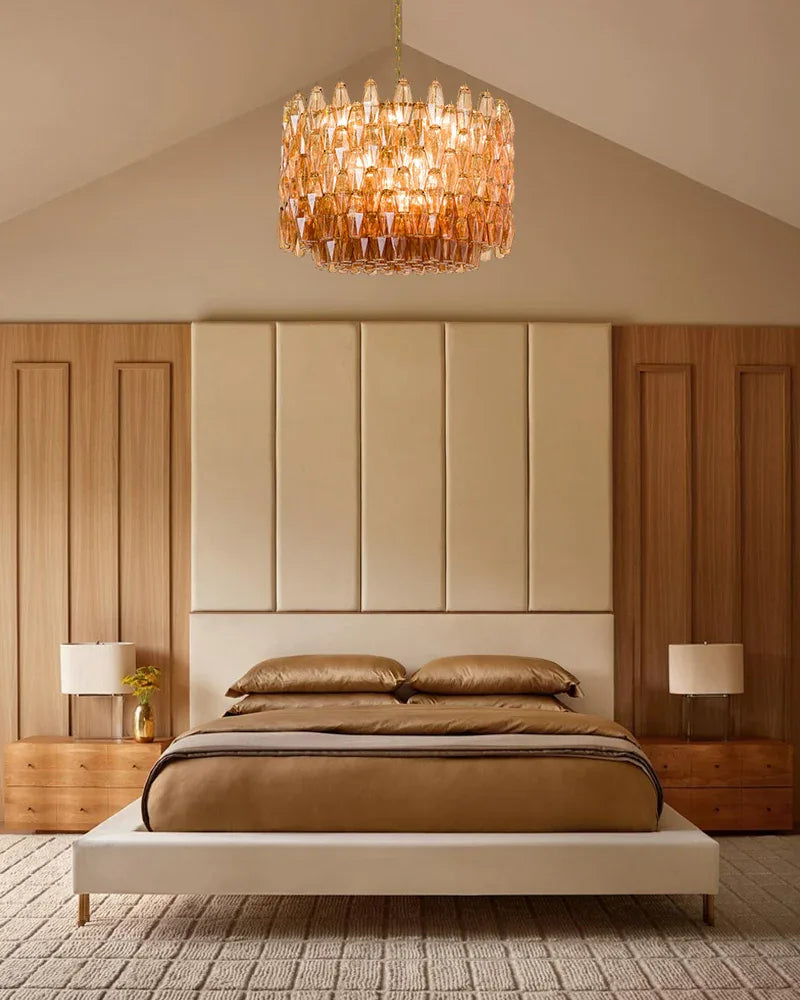
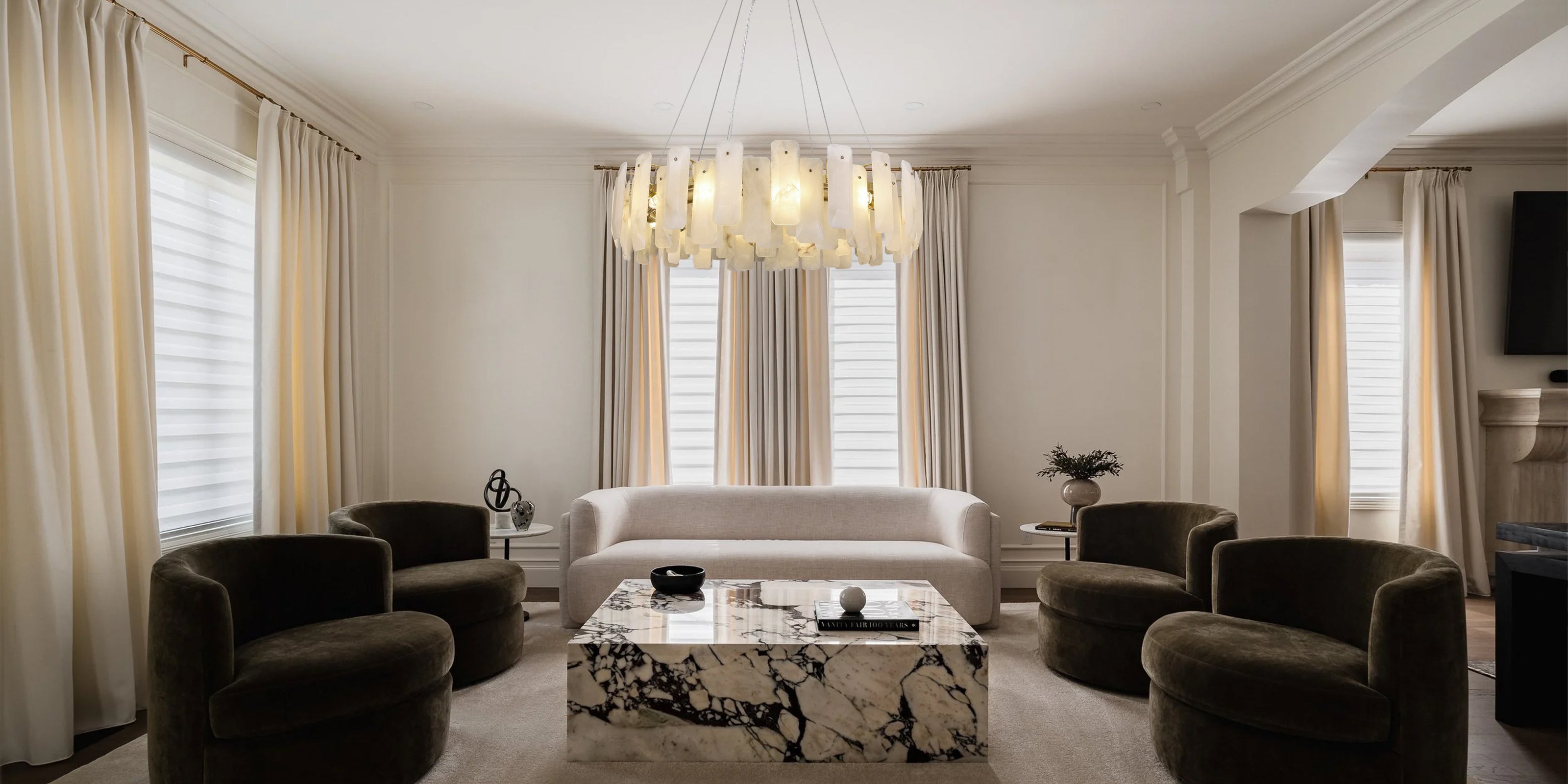
The physical composition of a chandelier dictates not only its aesthetic presence but also the quality of light it transmits. In high-fidelity lighting design, the refractive index of the translucent materials is paramount. For crystal chandeliers, we look for high-lead content or precision-cut K9 glass, which acts as a prism to separate white light into its spectral components, adding brilliance and sparkle without compromising the base illumination.
For metallic components, the finish process affects the fixture's longevity and interaction with ambient light. Electroplated finishes—such as polished nickel or aged brass—offer superior durability compared to painted finishes. We analyze the gauge of the metalwork; heavier gauge steel or solid brass construction ensures that the arms and frame remain rigid over time, preventing the sagging that often plagues inferior fixtures. The interplay between the fixture's finish and the light source temperature (Kelvin) is also critical; warm metals like bronze and gold enhance the warmth of 2700K light, while chrome and nickel preserve the crispness of 3000K or higher sources.
Spatial Geometry and Suspension Scale
The mathematical relationship between the chandelier and the dining table is governed by specific proportional rules designed to maintain visual balance. A fixture that is too small will appear insignificant and fail to anchor the space, while an oversized fixture can overwhelm the room and obstruct sightlines. The standard technical calculation for diameter suggests that the fixture should be one-half to two-thirds the width of the table. For a standard 48-inch wide table, a chandelier diameter between 24 and 32 inches is geometrically appropriate.
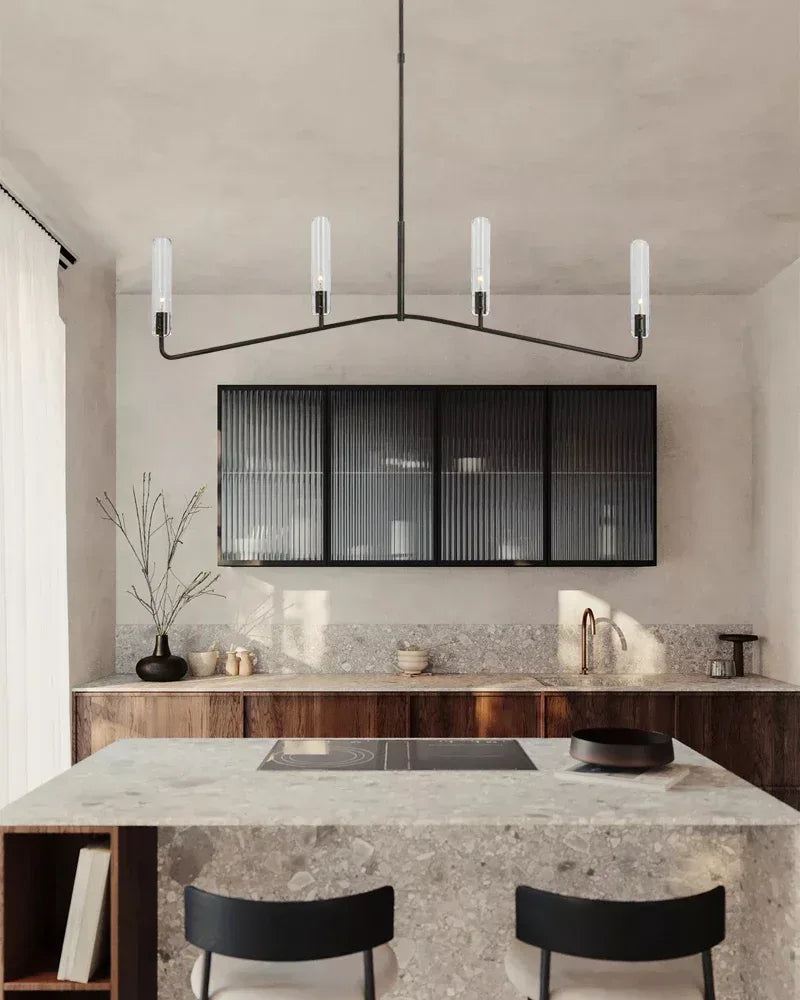
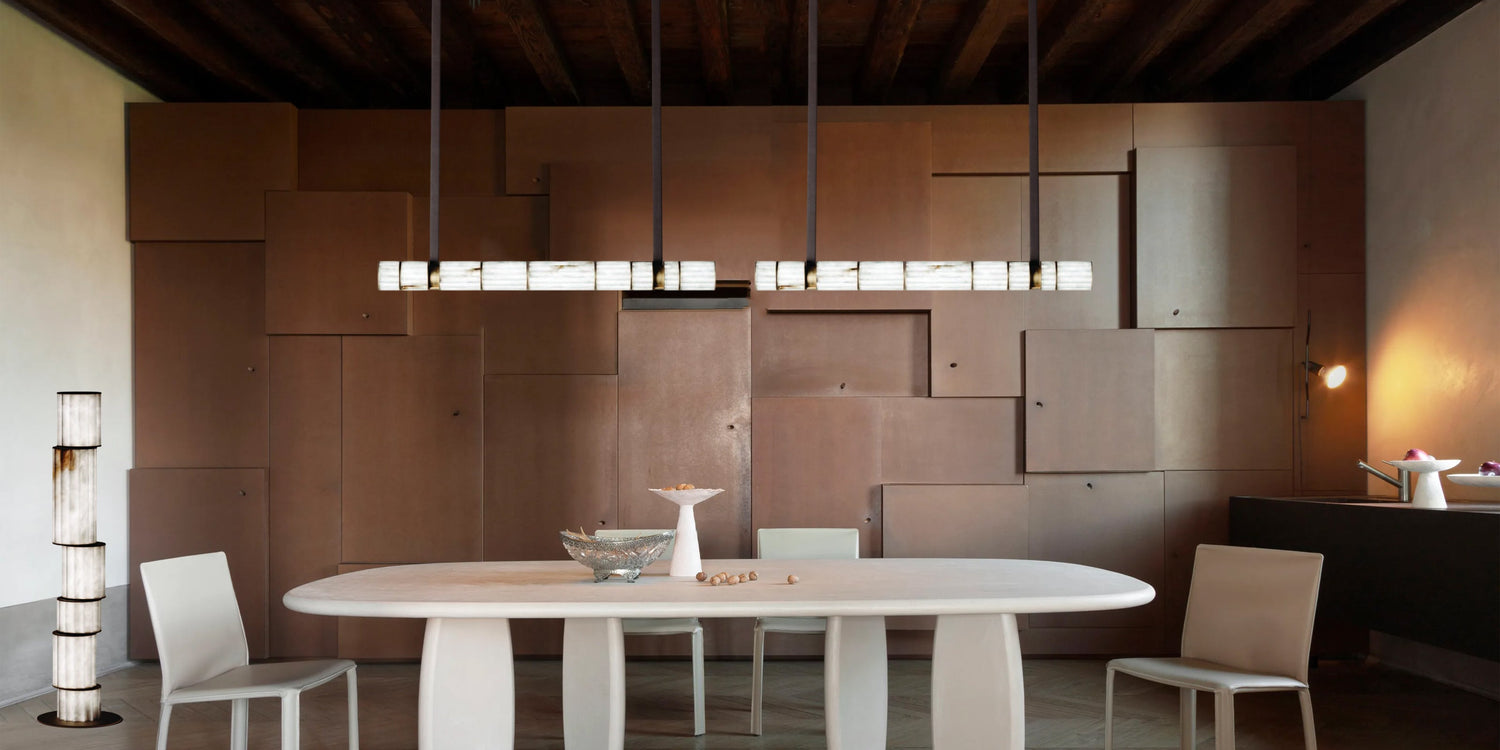
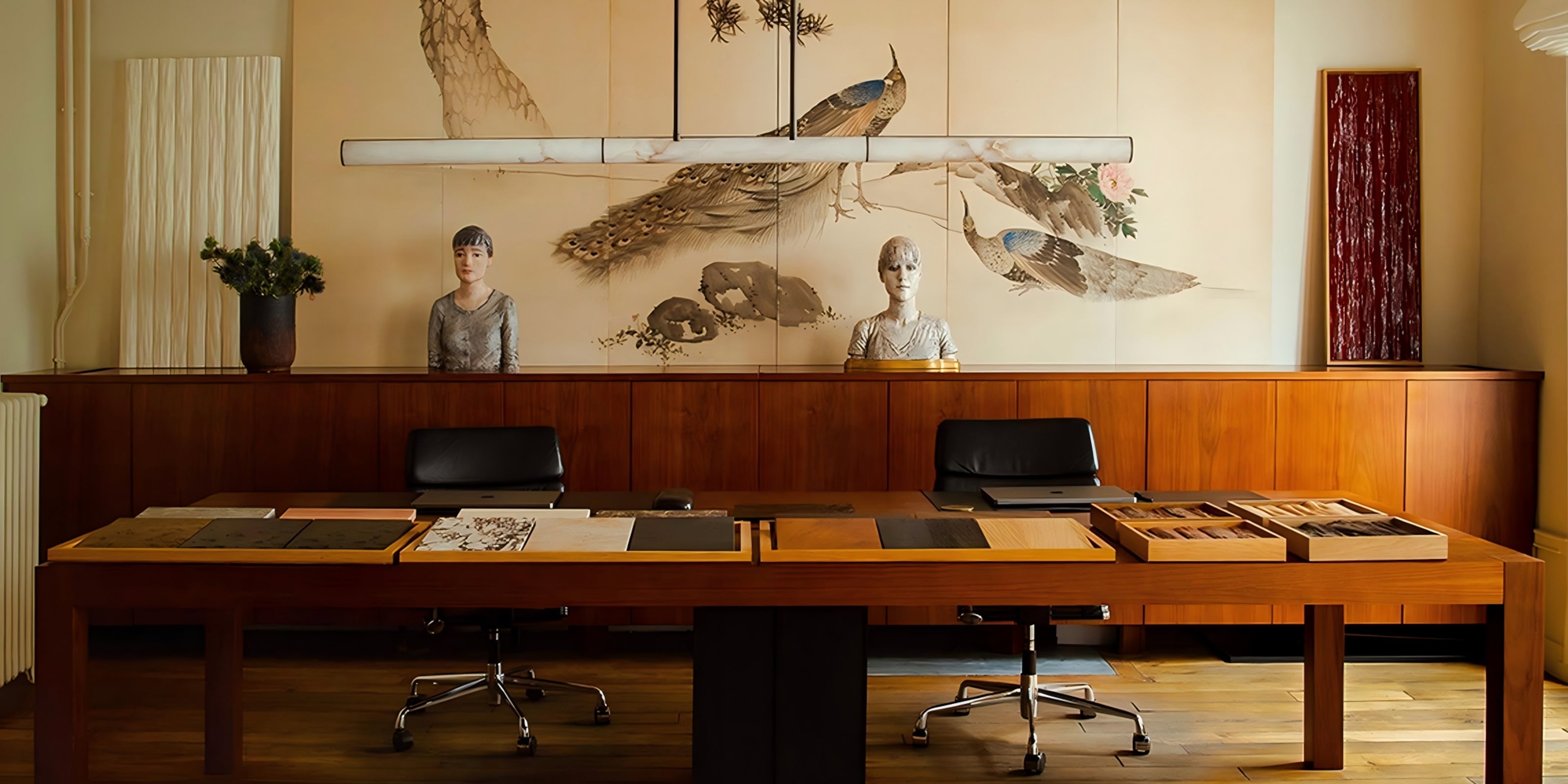
Vertical positioning is equally critical. The bottom of the chandelier should typically hang 30 to 36 inches above the table surface in a room with an 8-foot ceiling. For every additional foot of ceiling height, the suspension height should be increased by approximately 3 inches to maintain the correct visual perspective. Furthermore, the shape of the fixture must correlate with the table geometry. Linear suspension lights or multi-pendant canopies are engineered for rectangular tables to provide uniform illumination across the entire length, whereas radial or drum chandeliers are optimized for round or square surfaces.
Installation Protocols and Structural Integrity
The installation of substantial chandeliers requires adherence to strict structural and electrical codes. The junction box (J-box) in the ceiling serves as the anchor point, and standard plastic or light-gauge metal boxes are often insufficient for the static load of a premium chandelier. Fixtures exceeding 50 pounds require independent structural support systems or fan-rated boxes braced directly to the ceiling joists. We emphasize the importance of verifying the weight rating of the mounting hardware included with the fixture.
Electrical installation protocols also demand attention to wire gauge and thermal insulation. High-wattage incandescent fixtures generate significant heat, requiring supply wiring rated for at least 90°C. For LED fixtures, the placement of the driver is a key consideration. Some modern chandeliers house the driver within the canopy, requiring a deep canopy profile, while others may require a remote driver installation if the canopy is minimalist. Ensuring the polarity is correct and the ground wire is securely fastened to the metal housing is non-negotiable for safety and to prevent electromagnetic interference.
Integrated LED Technology vs. Retrofit Sockets
The market is currently bifurcated between fixtures with integrated LED modules and those utilizing standard screw-base (E12/E26) sockets. Integrated LED chandeliers offer form factors that were previously impossible, allowing for ultra-slim profiles and continuous ribbons of light. These modules often boast L70 ratings exceeding 50,000 hours, meaning they will retain 70% of their initial brightness for decades of normal use. However, the engineering quality of the heat sink is vital; without efficient thermal dissipation, the LED phosphor can degrade, causing a color shift toward the blue or green spectrum.
Socket-based chandeliers offer the advantage of user-serviceability and customization. By selecting specific retrofit bulbs, the user can control the lumen output, beam angle, and color temperature independently of the fixture design. This "future-proofing" allows for the adoption of newer bulb technologies as they emerge. However, socket-based designs are often bulkier to accommodate the bulb housing. We evaluate the socket material—preferring porcelain over phenolic plastic—for its heat resistance and durability.
What to Look for When Buying
- Color Rendering Index (CRI): Ensure the light source has a CRI of 90 or higher to accurately render the colors of food and skin tones.
- Suspension Flexibility: Verify that the fixture includes adequate chain, rod, or cable length for your ceiling height and that it can be adjusted on-site.
- Dimming Capability: Confirm the fixture is compatible with your home's dimmer switches, specifically checking for ELV or TRIAC compliance for LEDs.
- Damp vs. Dry Rating: While most dining rooms are dry locations, proximity to open kitchens may necessitate materials that resist airborne oils and moisture.
- Lumen Output: Aim for a total output of 1,500 to 3,000 lumens depending on room size, ensuring the fixture provides adequate ambient light.
Frequently Asked Questions
What is the ideal color temperature for a dining room chandelier?
For dining environments, the technical recommendation is a warm white temperature between 2700K and 3000K. This range mimics the spectral qualities of incandescent light and candlelight, creating an inviting atmosphere that enhances the visual appeal of food. Temperatures above 3000K can appear sterile and clinical, which is generally undesirable for social dining spaces.
Can I install a chandelier on a sloped ceiling?
Installation on a sloped ceiling requires a fixture with a specialized canopy or suspension mechanism. Chandeliers suspended by chains or cables naturally gravitate plumb and are generally compatible with slopes. However, fixtures using rigid stems or downrods must feature a swivel ball joint or a "hang-straight" canopy adapter to accommodate the ceiling angle. Always check the manufacturer's specifications for maximum slope angles.
How do I determine if a junction box can support a heavy chandelier?
Standard electrical junction boxes are typically rated for fixtures up to 35 or 50 pounds. If your selected chandelier exceeds this weight, you must verify that the box is reinforced or "fan-rated." For extremely heavy fixtures, the mounting bracket must be secured directly to a structural member (joist) or a heavy-duty brace bar spanning the joists, independent of the electrical box itself.
Conclusion
Selecting the correct chandelier for a dining room table is a complex exercise in lighting design that goes beyond mere ornamentation. It requires a calculation of lumen density, an appreciation for material refraction, and a strict adherence to installation safety protocols. By prioritizing high CRI values, appropriate scale relative to the dining surface, and robust construction materials, one can secure a fixture that elevates the architectural quality of the room while providing superior visual performance. Whether utilizing advanced integrated LEDs or traditional socket configurations, the ultimate goal is a seamless blend of technical precision and atmospheric warmth.


发表评论
此站点受 hCaptcha 保护,并且 hCaptcha 隐私政策和服务条款适用。